For most of us, there is a list of things we know we should be doing to improve our health. There may be an even longer list of things we should quit doing.
Rarely do we find an overlap between what we enjoy and what actually benefits our overall health and longevity.
That's what we are going to focus on in today's newsletter.
We are going to break down the categories of hobbies associated with increased longevity.
Researchers at University College London pooled five long-running studies covering 93,263 adults aged 65 and older across 16 nations. Independent of confounders, having a hobby was associated with fewer depressive symptoms, better self-reported health, more happiness, and higher life satisfaction — and the same signal held in Japan, Spain, Denmark, China, and the United States.
And no, watching TV for hours doesn't count. The distinction isn't screen versus no screen — it's whether the activity asks anything of you.
The three buckets:
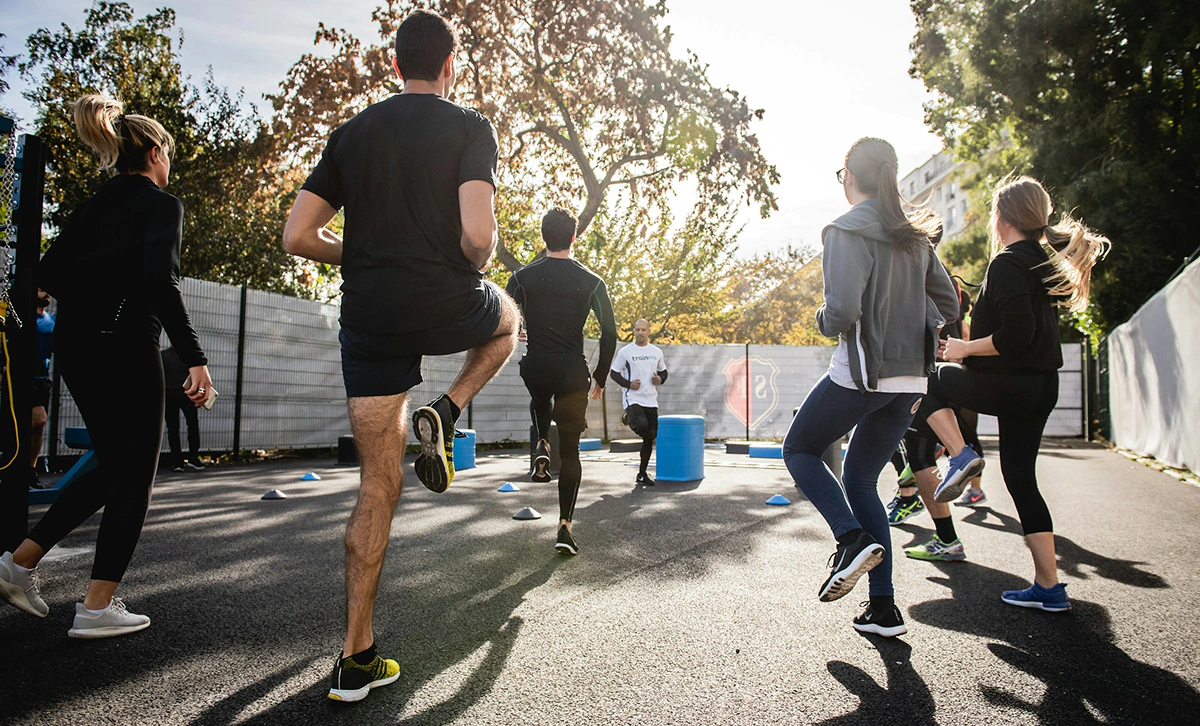
- Hobbies that keep your body moving
- Hobbies that keep your mind active
- Hobbies that keep you social
Let's dive into it.
Hobbies That Keep You Moving
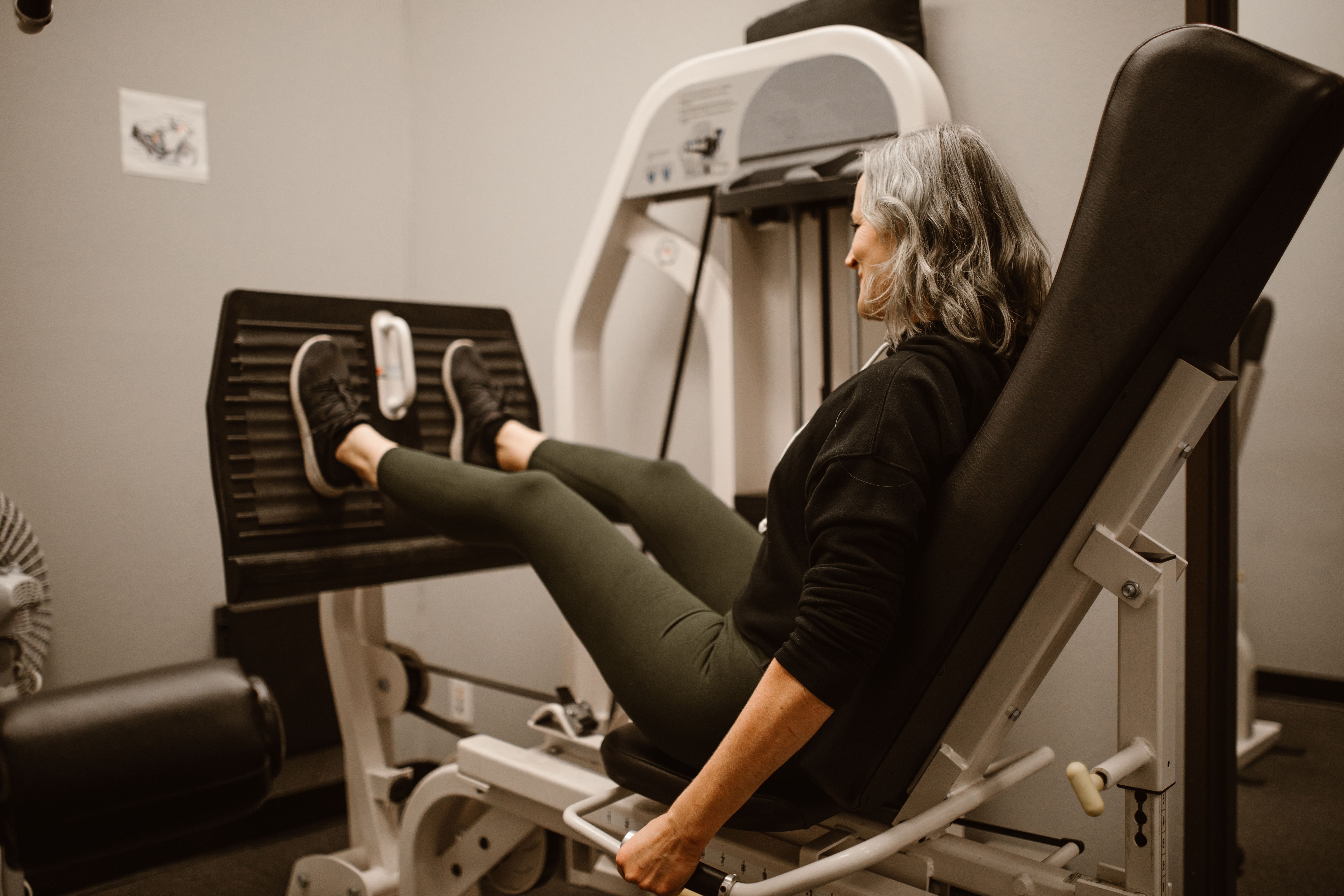
Most of the longevity data on hobbies sits in this bucket, simply because movement is medicine and it's easy to measure.
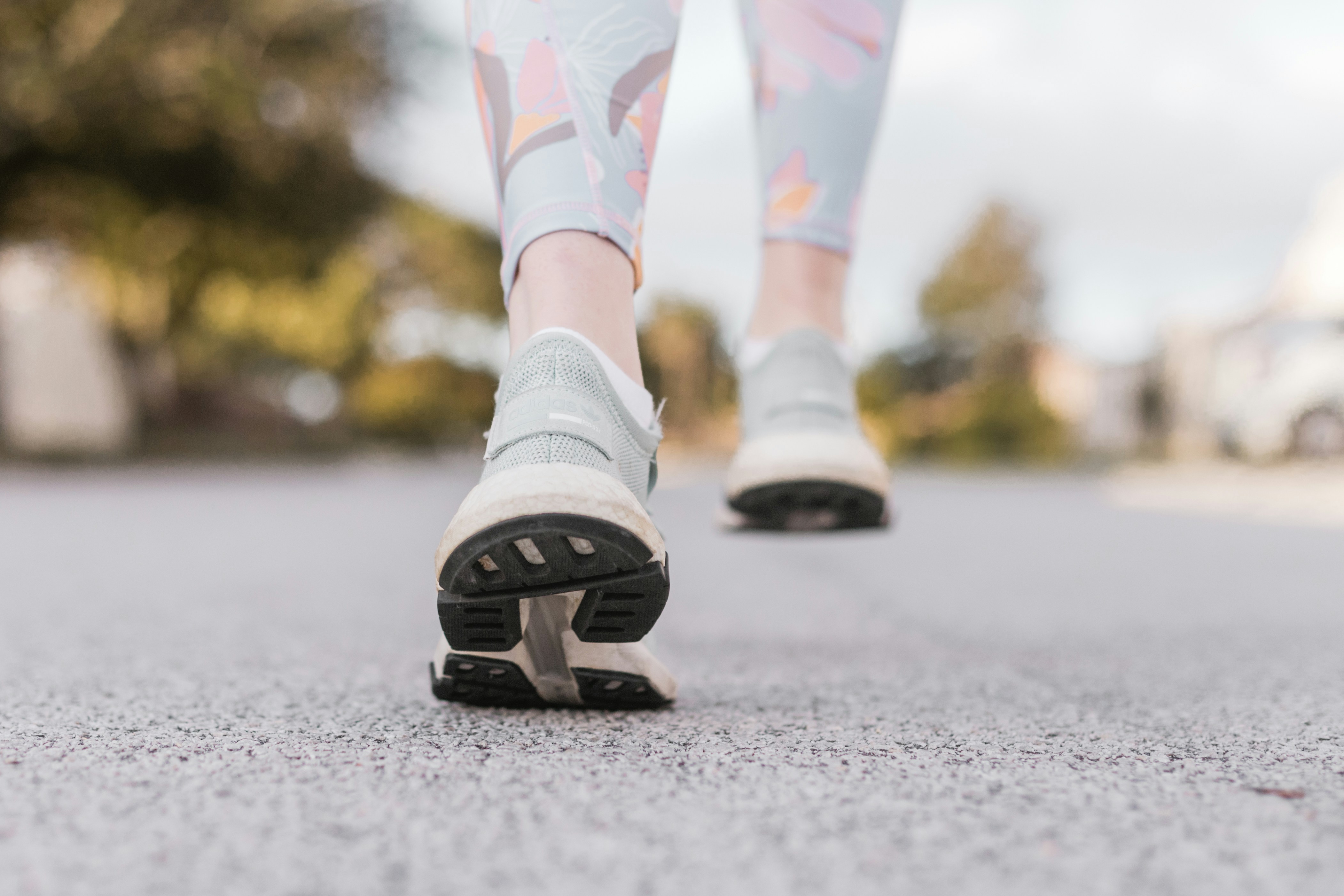
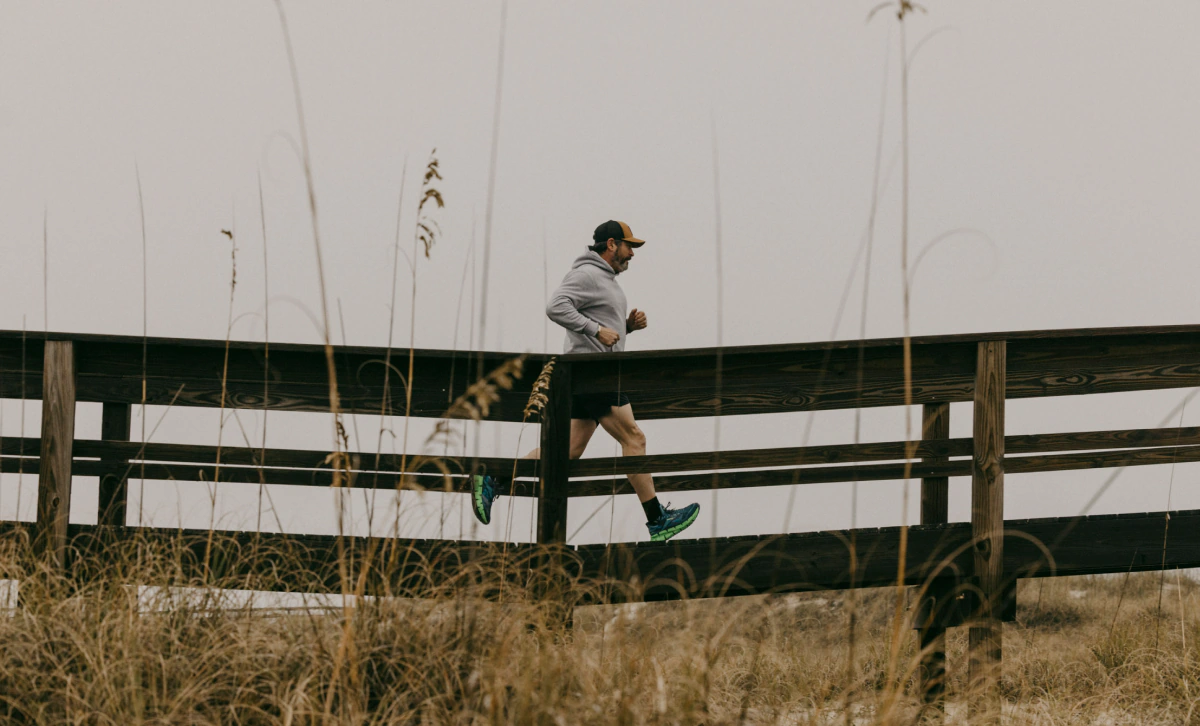
The obvious activities — walking, biking, swimming, running — bring the benefits we discuss frequently on this platform.
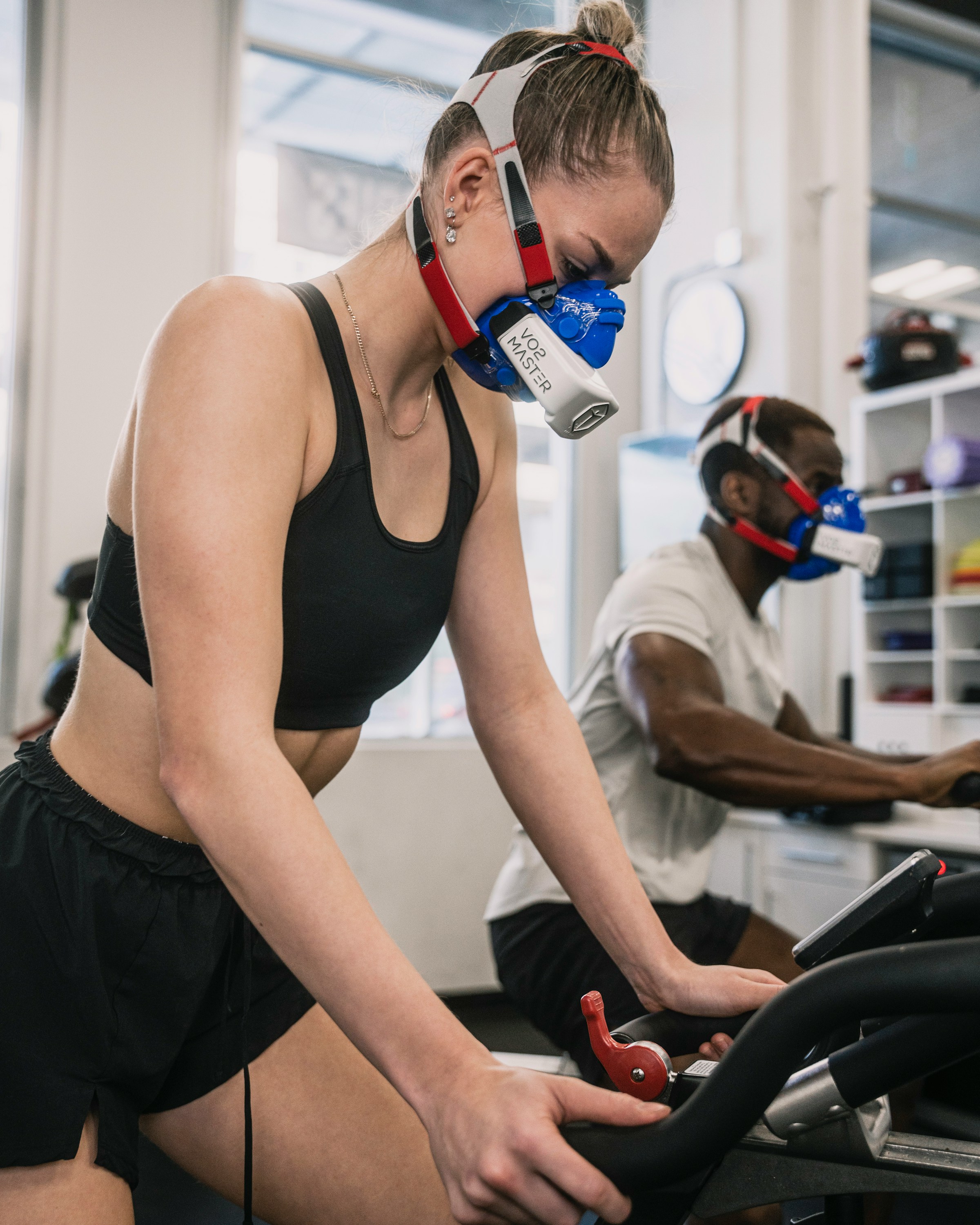
Racquet sports and running. In the NIH-AARP study of 272,550 older adults, racquet sports and running showed the largest reductions in all-cause mortality, followed by walking, other aerobic exercise, golf, swimming, and cycling.
Two things stand out. First, every activity helped. Second, the dose-response was curvilinear — participants who exercised but fell short of the recommended guidelines still had a 5% lower risk of death, and those who met them had a 13% lower risk.
You do not need to be an athlete to collect most of the benefits.
Gardening. This one genuinely impressed me. Researchers followed the Lothian Birth Cohort 1921 — Scots all born the same year, assessed regularly from age 79 to 90. Frequent gardeners had a 22% lower mortality risk over 25 years of follow-up. At baseline, they also showed better psychological well-being, stronger physical function, and longer telomeres — the protective caps on our chromosomes that shorten with age. Over the following decade, they showed a slower decline in gait speed and slower telomere attrition.
Sunlight, low-grade continuous movement, food you grow, and something that depends on you daily.
That's a lot of medicine in one hobby.
Dancing. The Bronx Aging Study followed 469 adults over age 75 for a median of five years, tracking who developed dementia and how often they participated in various leisure activities. Of the activities studied, four activities were associated with reduced dementia risk: reading, board games, playing a musical instrument, and dancing. Dancing showed the strongest association in the group.
It is one of the few common activities that simultaneously demands aerobic work, balance, memory, rhythm, and another human being. Fair warning — relatively few people in that cohort danced frequently, so the estimate is imprecise. Directionally, it's hard to design a better activity.
The broader principle at play here: the activity does not need to look like exercise. Walking a round of golf instead of riding. Restoring a car in the driveway. Fly fishing. Hiking with a camera.
Low-intensity movement you'd do for pleasure, repeated for decades, outperforms the ambitious gym plan you abandon in months.
Hobbies That Keep the Mind Active
Just as the body needs to stay in motion, the brain needs to stay under load.
And the evidence here is not a one-off. A 2022 systematic review in Neurology pooled 38 longitudinal studies covering more than two million people. Any leisure activity at all was associated with a 17% lower risk of dementia. Cognitive activities were 23% lower — the strongest of the three categories they examined.
Reading books. Yale researchers tracked 3,635 adults in the Health and Retirement Study for up to 12 years and found a clean dose-response relationship: book readers had a 20% lower mortality risk than non-readers after adjusting for age, sex, education, wealth, marital status, self-rated health, comorbidities, and depression. Books outperformed newspapers and magazines.
Playing an instrument. Board games. Chess. Cards.
All showed up as protective in that same Bronx cohort, and the common thread is worth naming: each one is effortful learning with a feedback loop. You can hear or see whether you're improving.
That's the mechanism I care about. Not "brain training" apps — actual novel skill acquisition in a domain you never fully master. Learning a language. Woodworking. Photography. Cooking something genuinely above your level.
The brain responds to difficulty, not familiarity.
If a hobby has stopped being hard, it may have stopped doing this particular function.
Hobbies That Keep You Social
This is the bucket most people underappreciate, and I believe it does the heaviest lifting of the three.
Belonging to a club — any club. Researchers followed 424 English adults through the transition to retirement. Among those who belonged to two social groups beforehand, if they maintained both, their risk of death over the next six years was 2%. If they lost one group, 5%. If they lost both, 12%.
That's a small study, so it matters that the same pattern holds at the population scale. A UK Biobank analysis of 458,146 adults found that weekly group activity — along with every other measure of social connection they examined — independently predicted both all-cause and cardiovascular mortality. And in 8,623 older adults from the EPIC-Norfolk cohort, involvement in two or more groups was associated with a 17% lower mortality risk.
Book club. Church group. Bowling league. Woodworking guild. The content of the group appears to matter far less than the simple fact that people are expecting you.
Volunteering. A meta-analysis of 14 studies in adults 55 and older found volunteering was associated with a 47% lower mortality risk unadjusted — and roughly 24% after adjusting for health and socioeconomic factors.
But in the Wisconsin Longitudinal Study, people who volunteered for self-oriented reasons had about the same mortality risk as people who never volunteered.
Showing up isn't enough. Why you show up appears to matter.
Pick causes you believe in.
Bottom Line
One bucket is good.
Any hobby that moves you, or stretches you, or connects you is doing real work. The data above is enough to justify protecting it on your calendar.
Two buckets are better.
Notice that almost every study here isolated a single activity — and still found a signal. Reading was measured against people who read nothing. Gardening against people who never gardened. Each finding stands on its own, meaning an activity that lands in two buckets is earning credit in two separate bodies of evidence at once.
Three is the target.
A dance class moves you, challenges you, and puts you in a room with people. So does a community garden, a band, a volunteer crew, a doubles tennis group.
The social piece is what gets you out the door on the day you don't feel like it. The learning is what keeps you from getting bored in year three. The movement is what lets you still do it at eighty.
That's the compounding. Not three separate benefits stacked, but three reasons the habit survives long enough to matter.
So take the hobby you already love and ask which buckets it's missing — then add the missing component. Read the same book as a friend, then talk about it. Take a walk with a neighbor. Join the league instead of practicing alone.
One thing to note: nearly all of this evidence is observational.
Healthy people can dance; sick people often can't, and some of these effects run in that direction. The better studies fight it with long follow-up and dose-response gradients, which is why I find them persuasive. But the accurate phrasing is that people with engaging hobbies tend to live longer.
Do more of what you love.
Preferably while moving, thinking, and surrounded by people.
Stay Hydrated. Replace What You Lose.
Hydration isn’t just about drinking more water — it’s about replacing what you lose.
When you sweat (from workouts, sauna sessions, or just daily life activities), you’re not just losing water — you’re losing electrolytes like sodium, potassium, and magnesium.
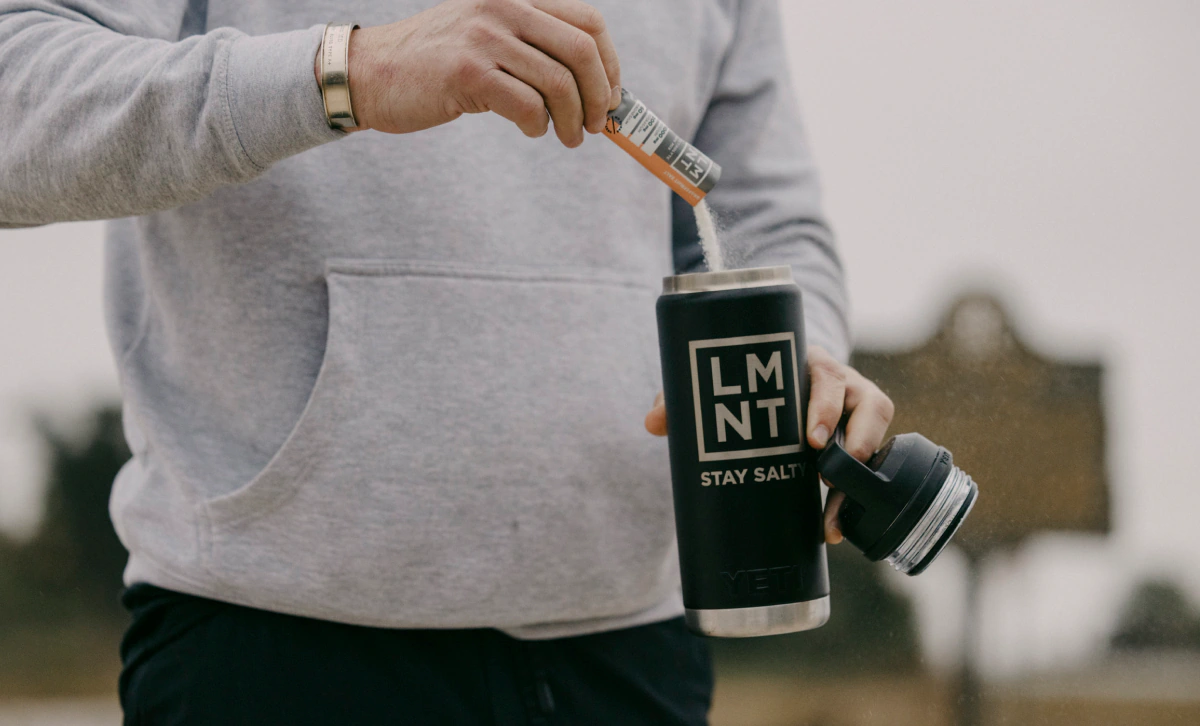
That's why I drink LMNT as my electrolyte replacement.
LMNT uses a science-backed electrolyte ratio of sodium, potassium, and magnesium.
LMNT tastes great and helps me replenish my electrolytes after an extended hard workout or a sauna session. Since the launch of their 12 oz skinny cans, Pineapple Salt has been my favorite flavor.
If you are active, sweat often, and want to try LMNT for yourself, click here to receive a FREE sample pack of all 8 flavors with any purchase, plus a No-Questions-Asked Refund Policy.
TRY LMNT FOR YOURSELF
I want to hear from you!Did you find this newsletter edition helpful?(Respond directly to this email. I read all responses)
Only the best,
Jeremy London, MD
P.S. Don't forget to follow my podcast for free on Spotify or Apple Podcasts


.jpg)


.jpg)





.jpg)