"What gets measured gets managed." - Peter Drucker
Life's default is atrophy.
If you don't use it, you lose it.
This applies to your fitness.This applies to your marriage.This applies to your friendships.This applies to your job.This applies to your overall well-being.What you and I do on a daily basis dictates whether we are taking one step towards or away from these goals.
The honest truth is that life gets in the way for all of us.
We start a routine. We build momentum. Forward progress.
But it is only a matter of time before we get knocked off the track.
That's not the failure.
The failure is recognizing that we have drifted off course and choosing not to do anything about it.
Today, I want to give you a tool that helps you stay accountable.
I call it the Annual Longevity Report Card.
It is built around six tests, each chosen because it carries evidence for mortality prediction.
Let's go through them.
Resting Heart Rate
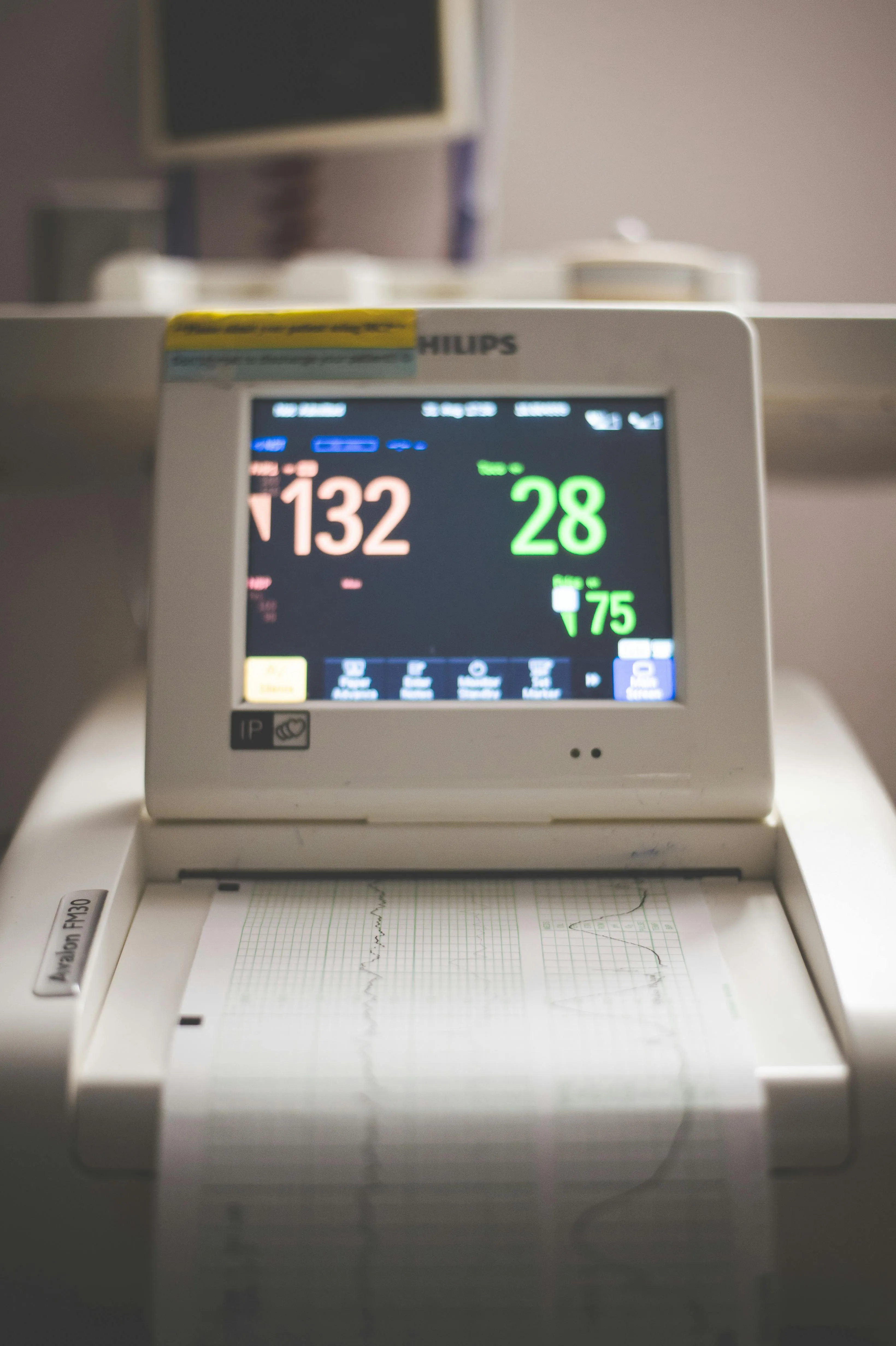
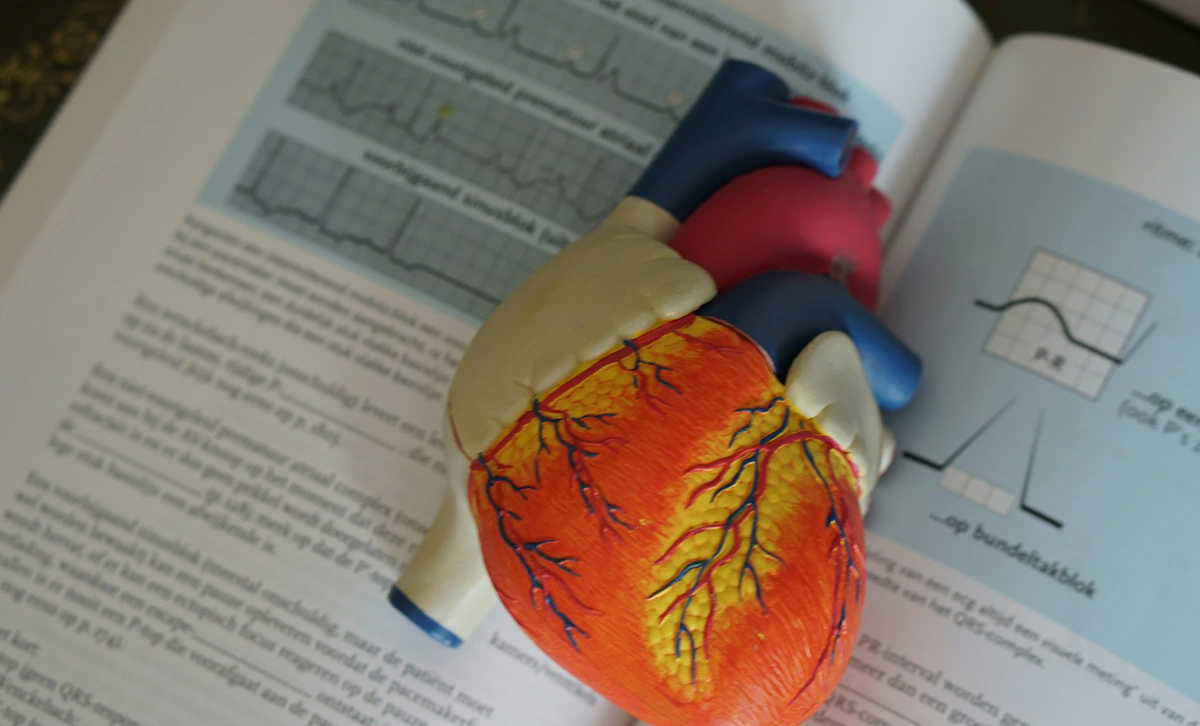
Your resting heart rate reflects how efficiently your heart functions.
A meta-analysis of 46 studies covering more than 1.2 million people found that each 10-beat-per-minute increase in resting heart rate was associated with a 9% rise in all-cause mortality and an 8% rise in cardiovascular mortality.
The relationship follows a J-shaped curve, with the sweet spot around 50–70 bpm, and risk increasing at both extremes.
The trend matters.
A resting heart rate that drifts upward over the years is an independent warning sign.
How to measure it: In the morning after waking, measure by hand, lie or sit still for a minute or two, find your pulse at the wrist (thumb-side, just below the base of the hand) or at the side of the neck, and count the beats for a full 60 seconds. Avoid measuring right after caffeine, exercise, alcohol, or a stressful moment, and try to take it under the same conditions each time so the numbers are comparable. If you wear a fitness tracker or smartwatch, it will do the work for you.
Blood Pressure
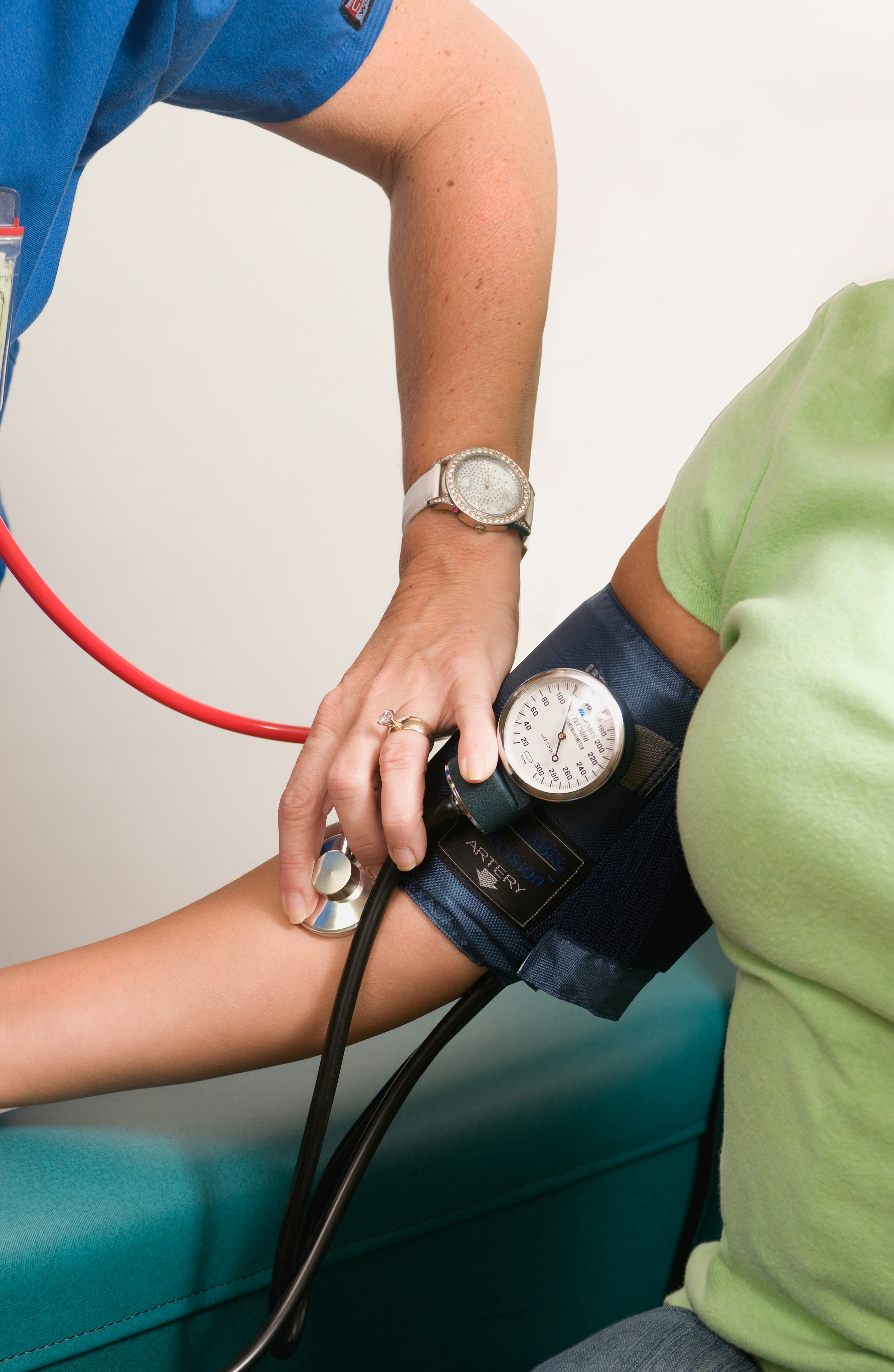
High blood pressure is the most prevalent and modifiable risk factor for cardiovascular disease.
The 2025 AHA/ACC High Blood Pressure Guideline, the first major update since 2017, sets a treatment goal of less than 130/80 mm Hg for all adults, with added encouragement to reach a systolic pressure below 120 mm Hg.
In Mendelian randomization studies, which use genetics to approximate a lifelong experiment, higher genetic systolic blood pressure is causally associated with lower odds of reaching exceptional old age.
The effect compounds across decades.
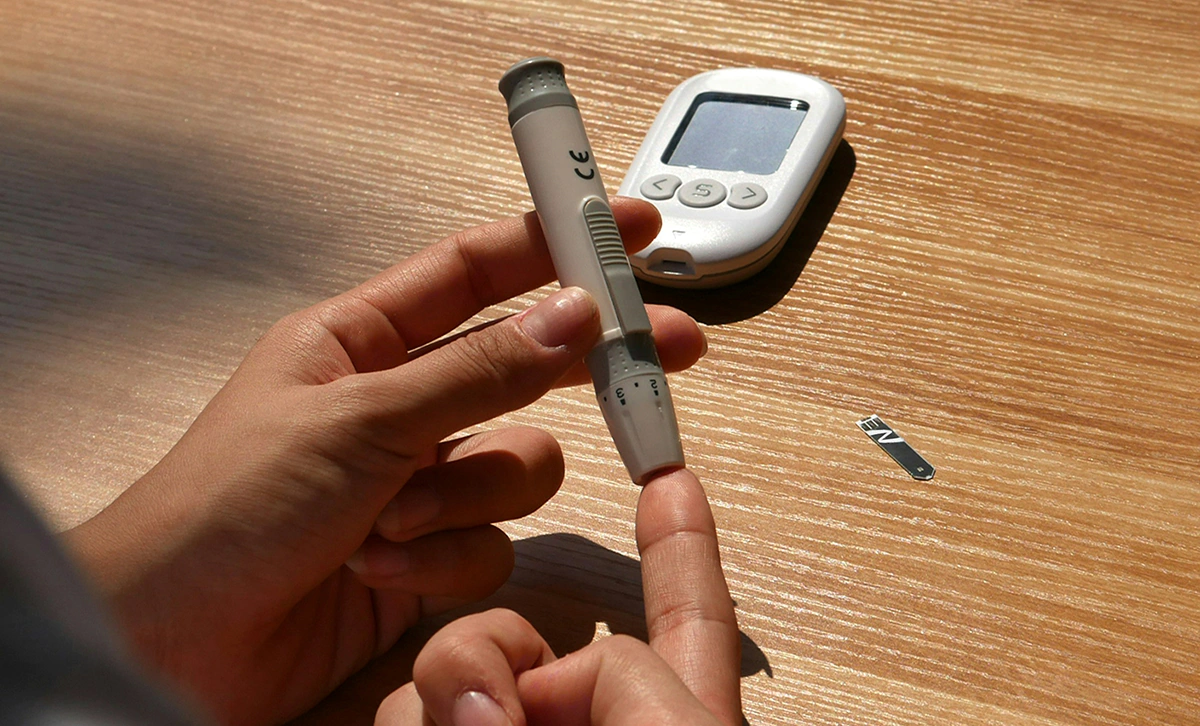
How to measure it: I strongly encourage you to measure your blood pressure at home and not to rely solely on an annual visit. The "7-2-2" rule is a standardized clinical protocol for accurate home blood pressure monitoring. It involves taking 2 readings per session, 2 times a day (morning and evening), for 7 consecutive days to obtain a more accurate average of your blood pressure.
If you want a deeper dive on blood pressure, click here.
Body Composition
The scale tells only part of the story.Body composition: how much muscle you have, how much fat you have, and importantly, where the fat is stored, is critical.
Body composition is much more accurate than weight alone.
The gold standard is a DEXA scan.
The same scan also measures your bone density, which has its own longevity story as you age.
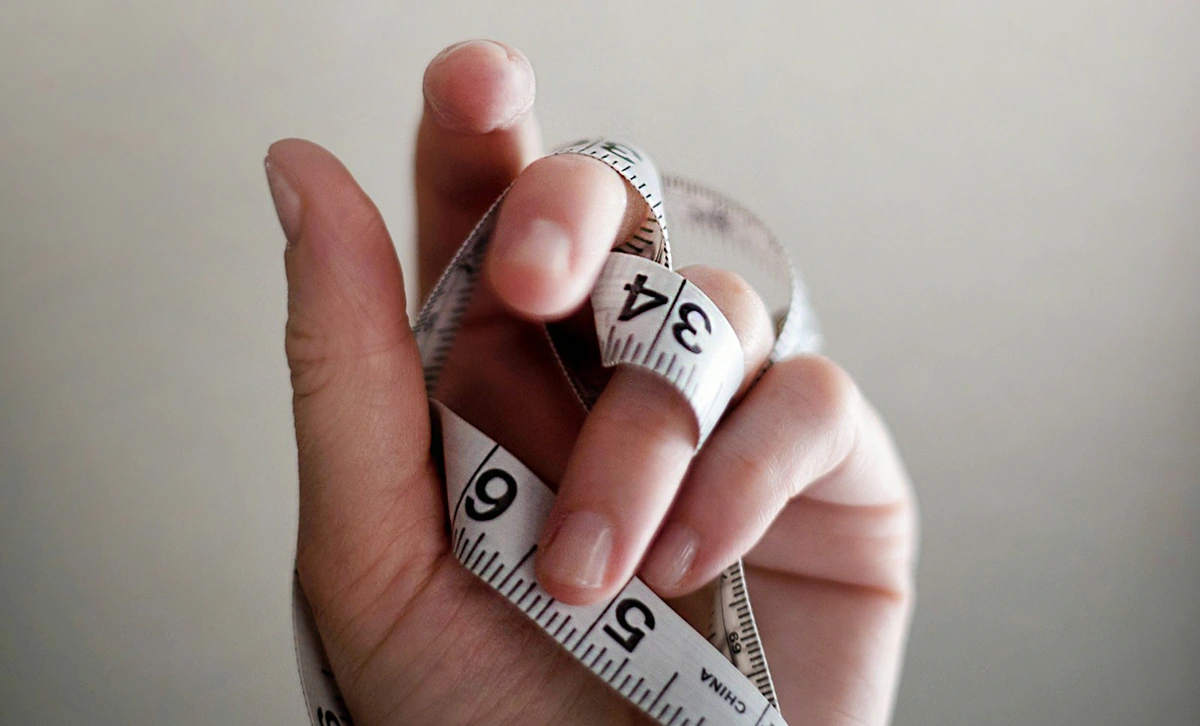
And if a DEXA isn't accessible, there is a powerful number you can capture with nothing but a tape measure: your waist-to-height ratio (WHtR). Divide your waist circumference by your height and aim to keep the result under 0.5.
WHtR tracks the visceral fat that drives cardiometabolic risk, predicts cardiovascular disease and mortality independent of BMI, and routinely flags risk in people whose BMI looks perfectly normal.
How to measure it: Ideally, get a whole-body DEXA scan with visceral fat quantification to establish a baseline, then repeat every 1 to 2 years. At a minimum, measure your waist at the navel with a soft tape and divide by your height; recheck it quarterly. Both belong on the report card.
If you want a deeper dive on DEXA scans, click here.
Grip Strength
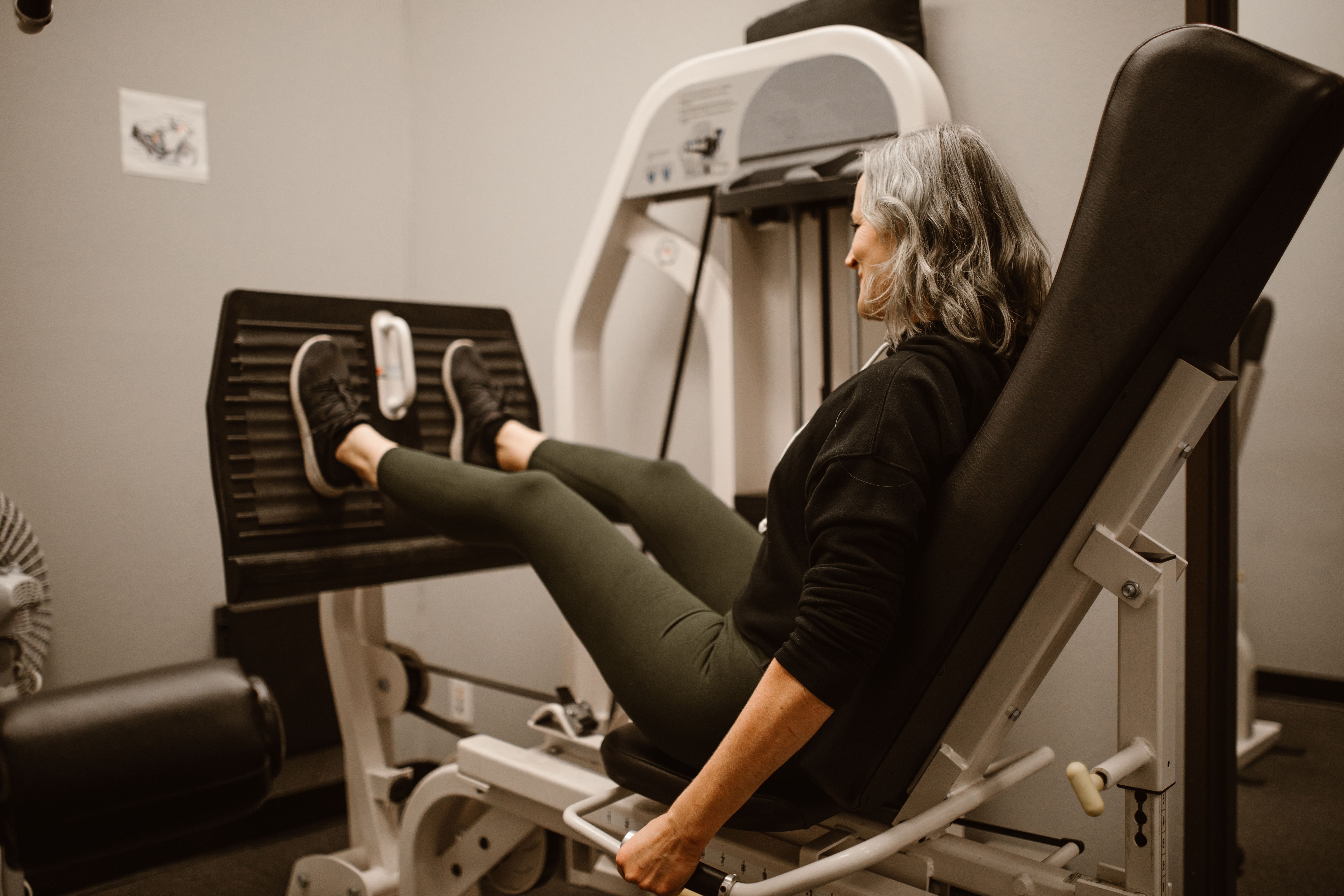
Grip strength is a proxy for total-body strength and, by extension, for the resilience that keeps you independent, upright, and out of the hospital as you age.
In the UK Biobank, a study of more than 500,000 people, each 5-kilogram reduction in grip strength was associated with a 16–20% increase in all-cause mortality.
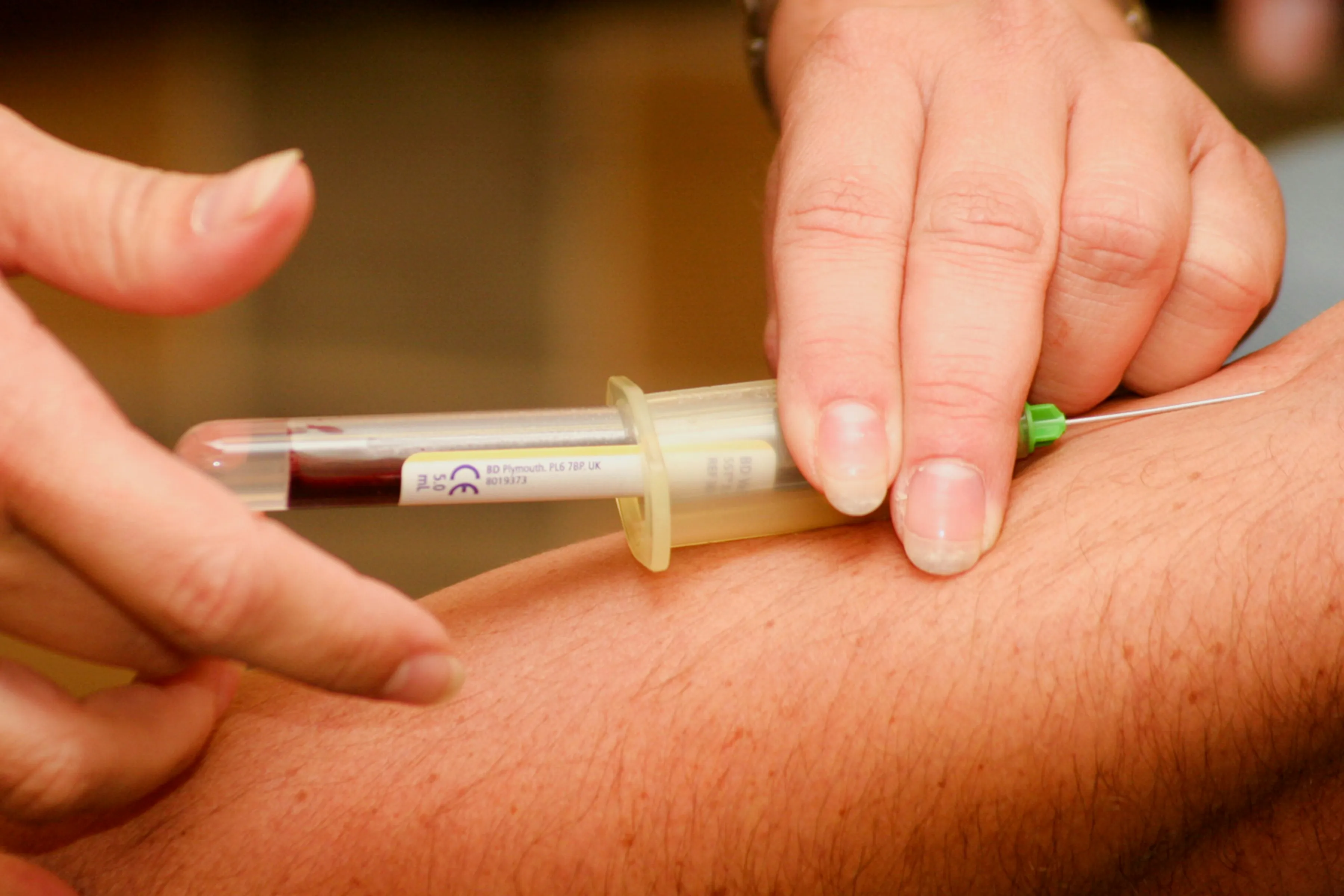
How to measure it: Use a handheld dynamometer — best of three attempts, dominant hand.
Advanced Blood Panel
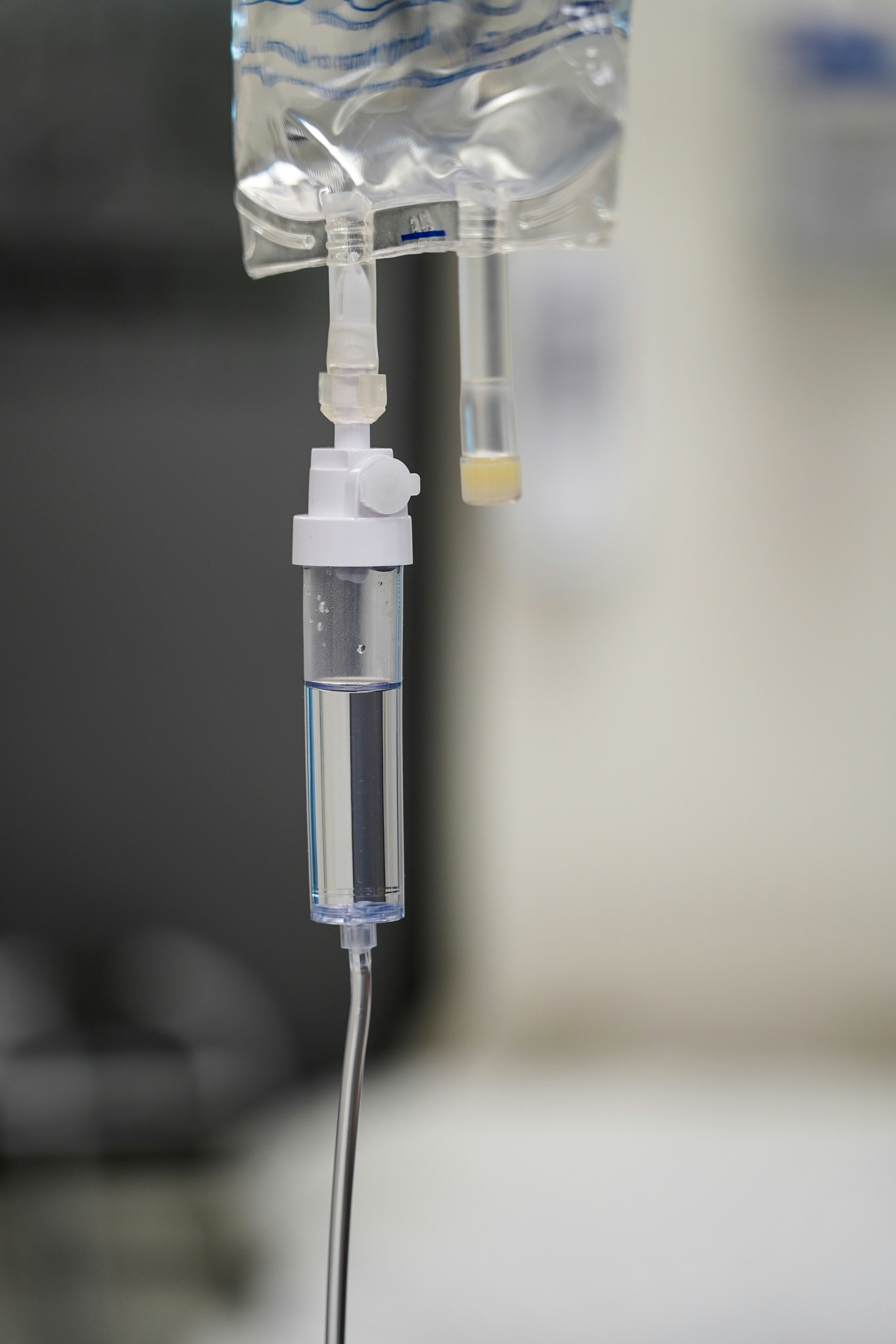
A typical standard panel with your primary care physician covers the basics but rarely offers the full picture.
Here are 5 lab tests to consider beyond the regular panel:
- Apolipoprotein B (ApoB) - more strongly associated with cardiovascular events than LDL-C.
- Lipoprotein(a) [Lp(a)] - a genetic risk factor for cardiovascular disease.
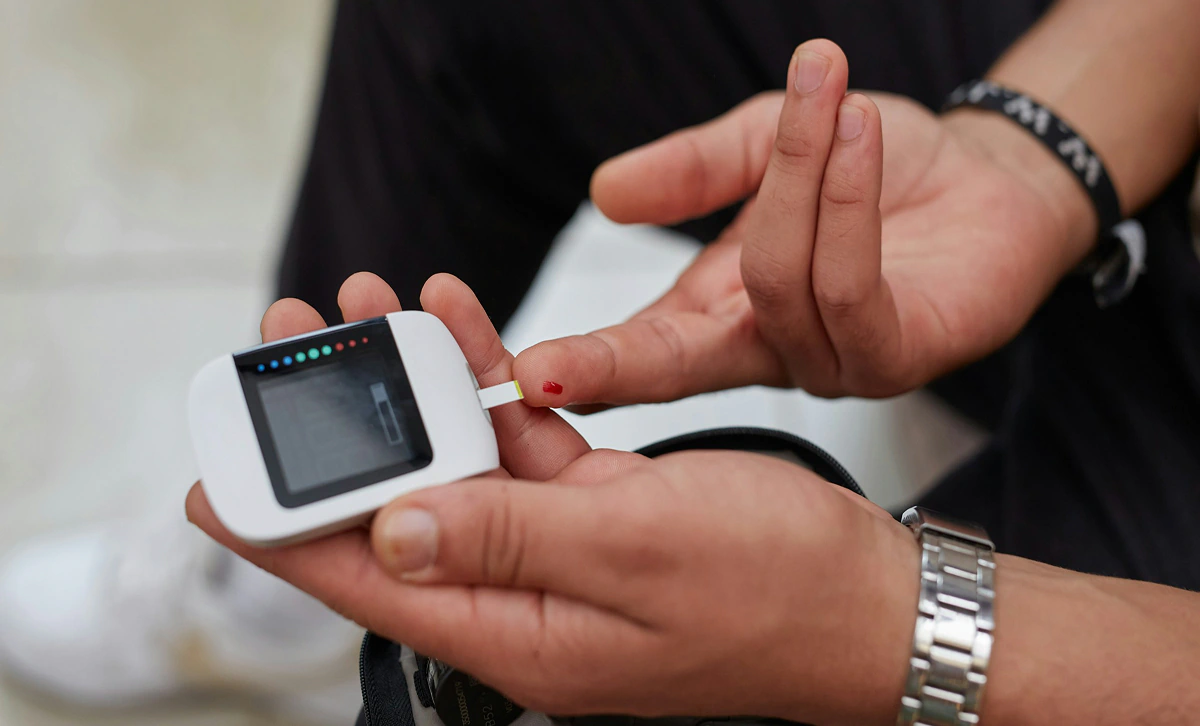
- HbA1c - offers a 90-day window of blood sugar management.
- High-sensitivity C-reactive protein (hsCRP) - snapshot of overall inflammation levels.
- Vitamin D - supports overall immunity, bone health, and nervous system function.
Cardiovascular Fitness
If you measure only one thing on this list, measure this.
Cardiorespiratory fitness is arguably the single strongest predictor of all-cause mortality we have. The relationship is dose-dependent and, remarkably, appears to have no ceiling.
More fitness, longer life.
In a large analysis by Kokkinos and colleagues (JACC, 2022), each one-MET improvement in fitness was associated with roughly a 16% reduction in mortality, and men who reached 10–12 METs lived about 4.5 years longer than those sitting in the bottom fifth of the population.
Expressed in laboratory units, all-cause mortality falls by about 2.3% for every 1 mL/min/kg gain in VO₂ max.
Put plainly: improving your fitness is the closest thing we have to a longevity drug, and the dose-response curve never seems to flatten out.
How to measure it: The gold standard is measuring VO2 max on a treadmill or a bike in a lab. For fit individuals willing to give maximal effort, the 1.5-mile run or the Cooper 12-minute run/bike provides the most accurate single-field estimate. Whichever method is chosen, it should be kept consistent across annual assessments, as different methods are not interchangeable.
Progression > Perfection
Understand that today's baseline doesn't define your future.
If you're not satisfied with your baseline, make the changes.
If you're satisfied, don't take your foot off the gas.
Knowing your health numbers helps you track progress over time and keeps you honest if you start to slip.
The goal is not perfection.
The goal is progression over time.
Take that first step towards better health by knowing where you stand today.
My Go-To Sleep Supplement
The past few years, I have been on a mission to improve my sleep, and a staple for me has been Rho's Liposomal Magnesium.
I notice a difference when falling asleep after taking magnesium, with no morning grogginess.
Why Rho?
Rho offers third-party-tested liposomal delivery products. While most pills and powders can lose bioavailability during digestion, Rho encapsulates each nutrient in a tiny liposome that survives the gut and delivers the compound intact into the bloodstream.
Liposomal delivery helps ensure that the vitamins and supplements you're taking are getting absorbed and not lost during digestion.
The founders, Ryan and George, firmly believe you will feel the Rho difference, but if you're not satisfied, they offer a 60-day money-back guarantee.
Don't forget to use code "LONDON" at checkout for 20% off.
Only the best,
Jeremy London, MD
P.S. Don't forget to follow my podcast for free on Spotify or Apple Podcasts





.jpg)





.jpg)
.jpg)