How Creatine Works
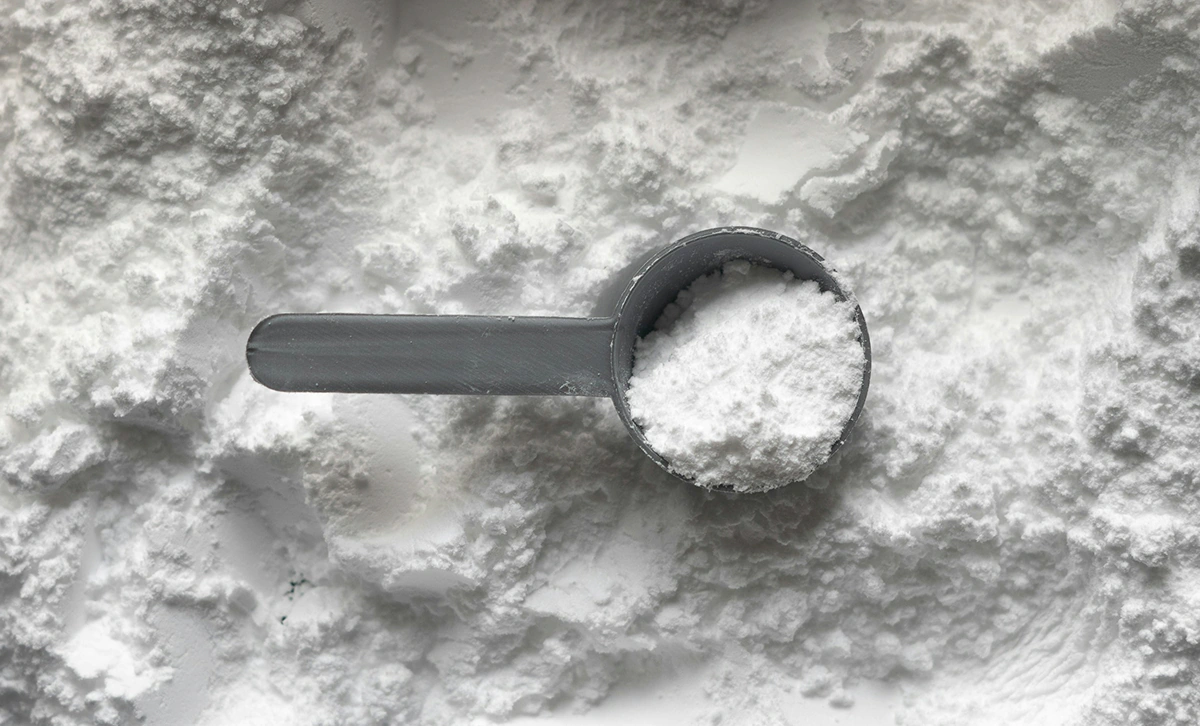
Creatine is a naturally occurring compound produced endogenously (within our bodies), mostly in the liver and kidneys.
90-95% of the body's creatine is stored in our skeletal muscle as free creatine and phosphocreatine. The remaining 5% is stored primarily in the brain and heart.
Creatine is crucial for energy production in the body.
Our livers synthesize roughly 1 gram of creatine per day, but we can also obtain creatine from our diet, primarily from animal sources such as beef, pork, and fish.
- 1 pound of beef or tuna offers ~4.1g of creatine
- 1 pound of salmon offers ~4.5g of creatine
- 1 pound of pork offers ~3g of creatine
Note: these are approximations from raw meat in a lab, and cooking reduces creatine content up to 30%
If you want to learn more about creatine, here is a full newsletter.
The History of Creatine and Hair Loss
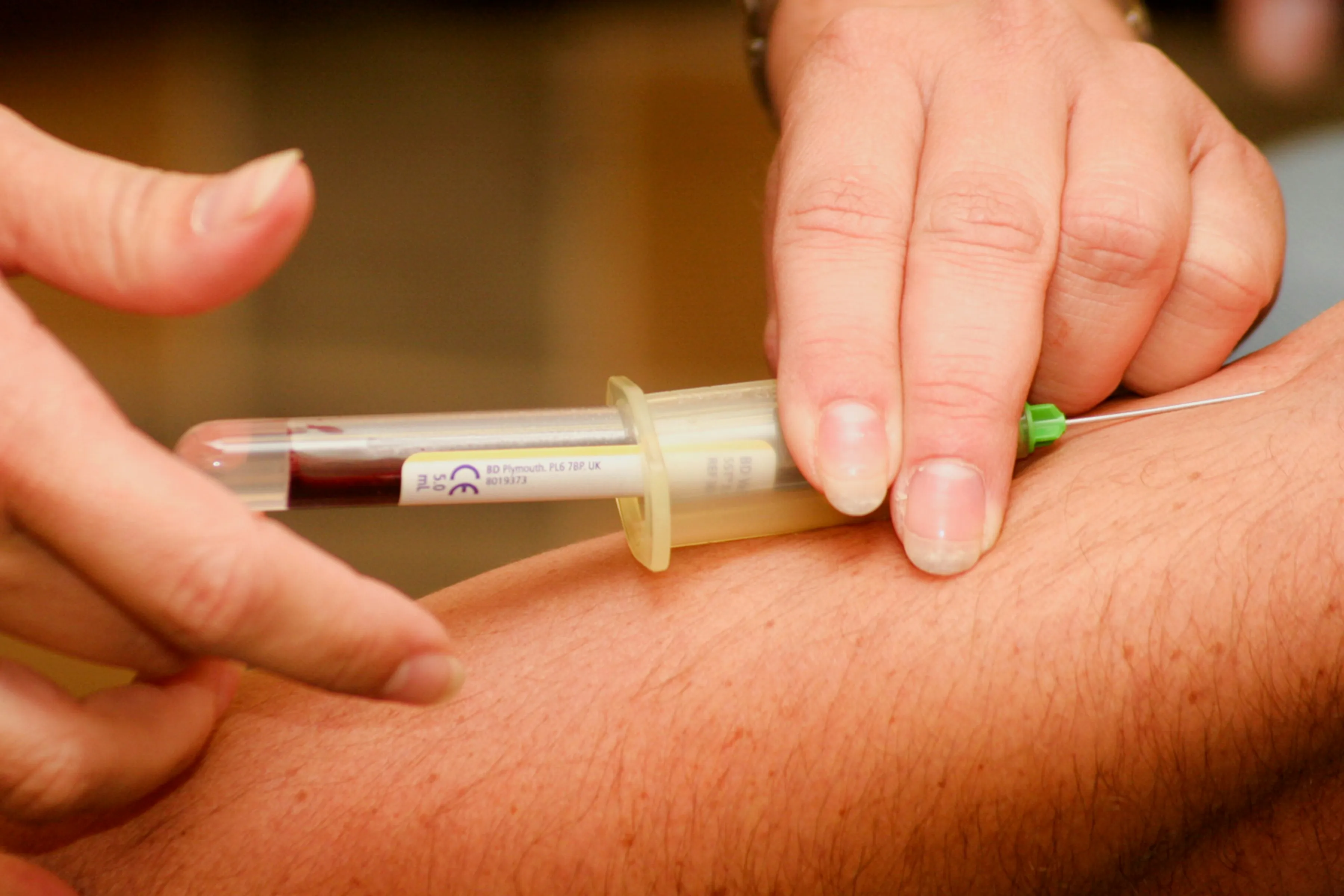
The narrative that creatine may cause hair loss originated from a 2009 study that enrolled 20 college rugby players and randomized them into two groups.
Subjects loaded with creatine or a placebo for 7 days, followed by 14 days of maintenance.
The researchers found an increase in DHT levels in the group that supplemented with creatine. Increased levels of DHT are correlated with increased scalp hair loss.
Therefore, many have cited this study and inferred that creatine may be associated with an increased risk of hair loss.
The increase in DHT from creatine supplementation warrants further investigation, but this study has limitations. Although this was a double-blind, randomized controlled trial, it had a small sample size (n=20) and was conducted over 3 weeks. Additionally, DHT levels remained within normal ranges regardless of the increase.
Finally, follicle count was not measured or observed, so the claim that creatine can cause hair loss is an assumption.
New 12 Week Randomized Controlled Trial
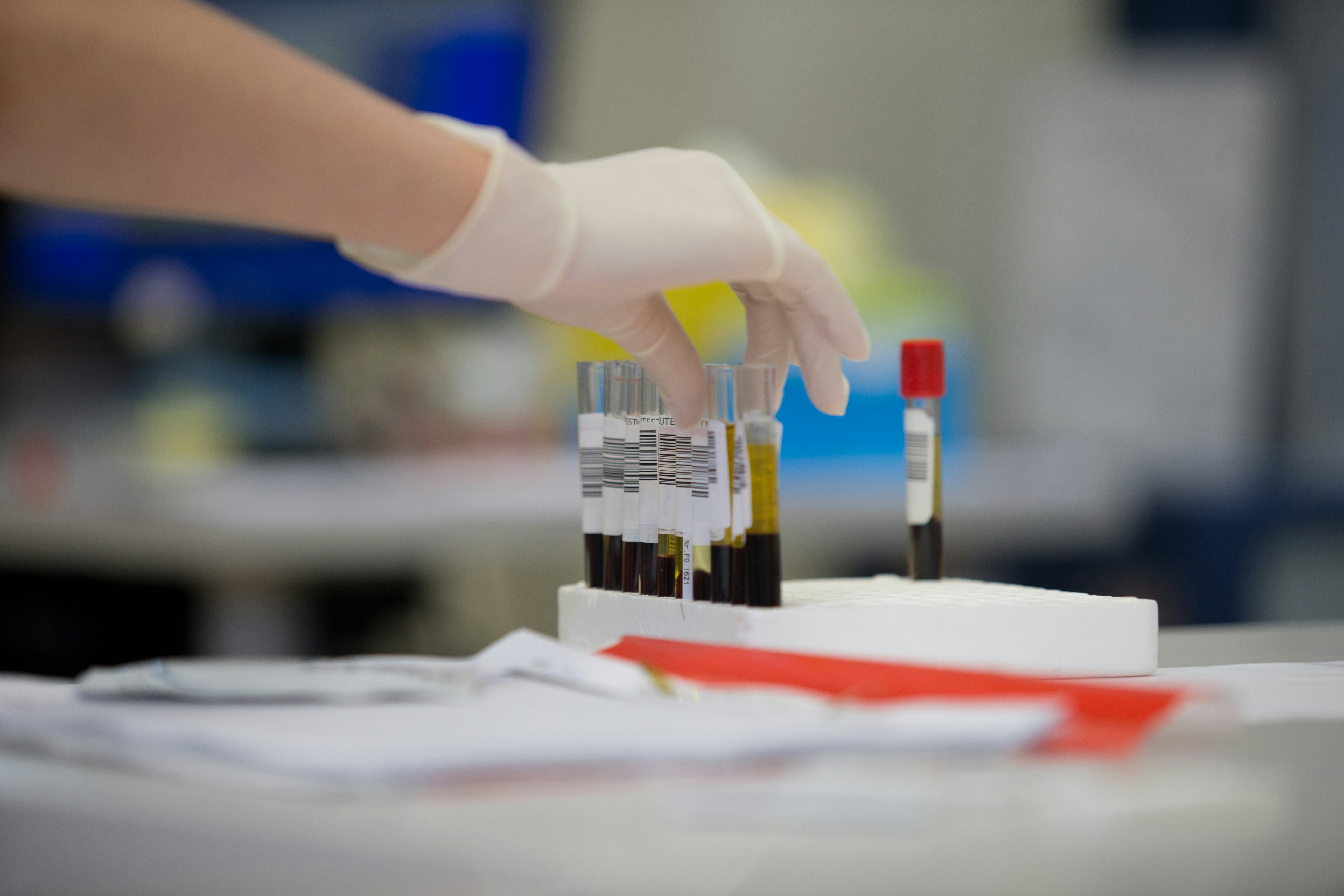
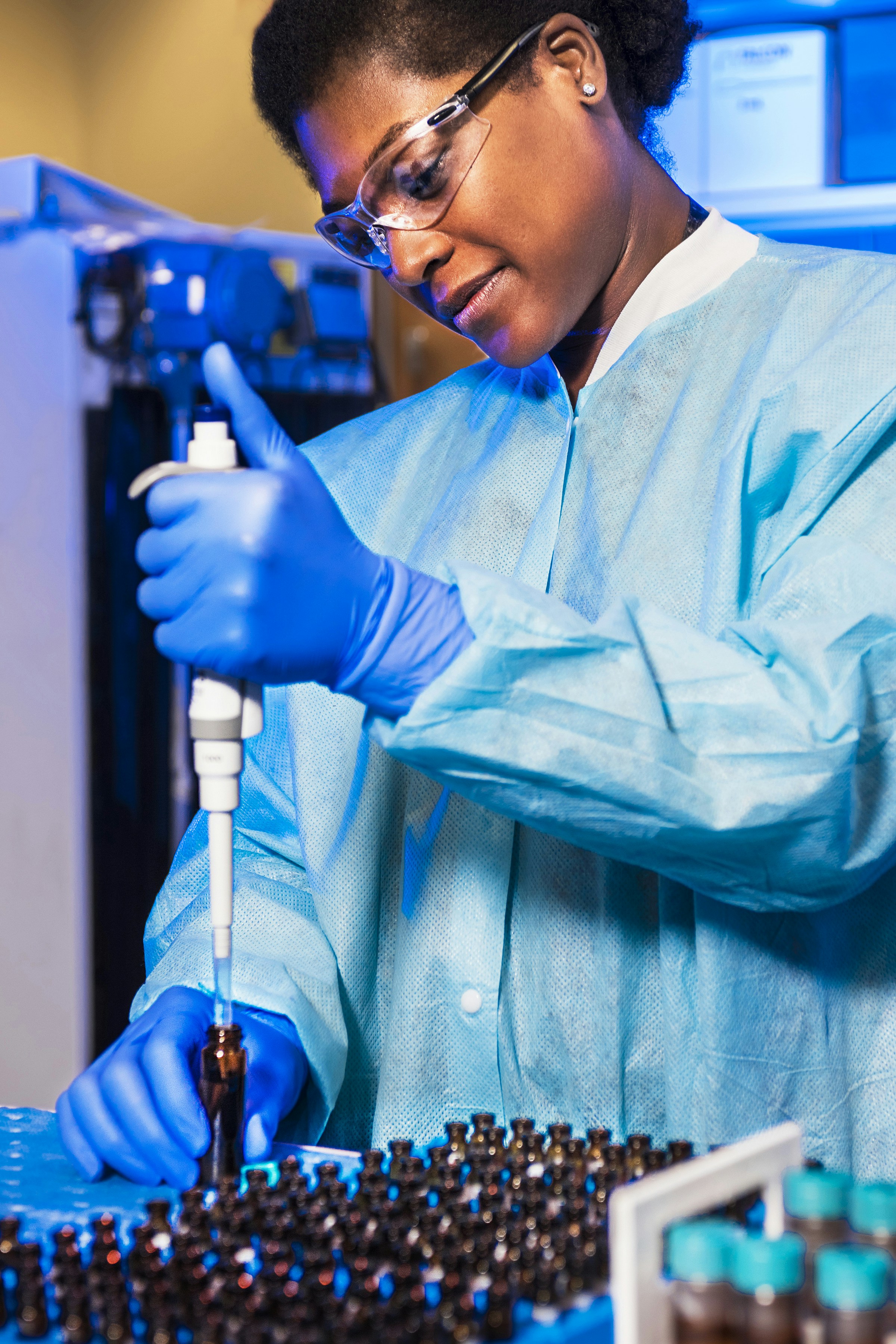
A 2025 randomized, double-blind, controlled trial observed follicle counts during 12 weeks of creatine supplementation.
45 healthy, resistance-trained men were randomized into two groups: 5 grams/day of creatine or 5g/day of maltodextrin placebo.
The subjects' total testosterone, free testosterone, DHT, and DHT-to-testosterone ratio were measured, and Trichogram and FotoFinder (hair density, follicular unit count, cumulative hair thickness) were used.
After the 12 weeks, unlike the 2009 rugby study, there was no difference in hormone levels between the creatine and placebo groups. This includes DHT levels that did not show a significant increase or decrease during the 12 weeks of creatine supplementation.
Most importantly, for hair loss concerns, "no statistically significant effects" were observed on hair outcomes. The authors of the study concluded with "strong evidence against the claim that creatine contributes to hair loss”.
Optimistically, this study may alleviate concerns about creatine and hair loss. This is the first RCT of its kind on creatine supplementation and hair follicle outcomes.
That said, this is still a single study with a small sample size (n=45). Further RCTs or a meta-analysis of studies will help solidify the evidence.
The Bottom Line
Creatine is the most studied supplement on the market.
The physical and mental benefits of creatine are well supported in the data.
The narrative of hair loss from the 2009 study is a perfect example of how data, myths, and concerns can be blown out of proportion.
Mechanism does not always equal outcomes.
We can only make the best decisions with the data that we have.
This scenario emphasizes the importance of further studies that focus on outcomes, even when mechanisms have been established.
The Creatine My Family and I Take Daily
Each decade after age 30, we lose an average of 3-5% of our muscle mass.
This is a naturally occurring process known as sarcopenia.
What's your number one tool to combat this? Resistance Training.
A consistent resistance training program and adequate protein intake are essential for maintaining or increasing muscle mass as we age.
A supplement that I have paired alongside my resistance training and protein-focused nutrition plan is creatine.
Creatine is one of the most studied compounds on the market to date. Several studies suggest that creatine can enhance or help maintain muscle strength.
In addition, studies suggest that creatine can support brain function and cognitive health as we age.
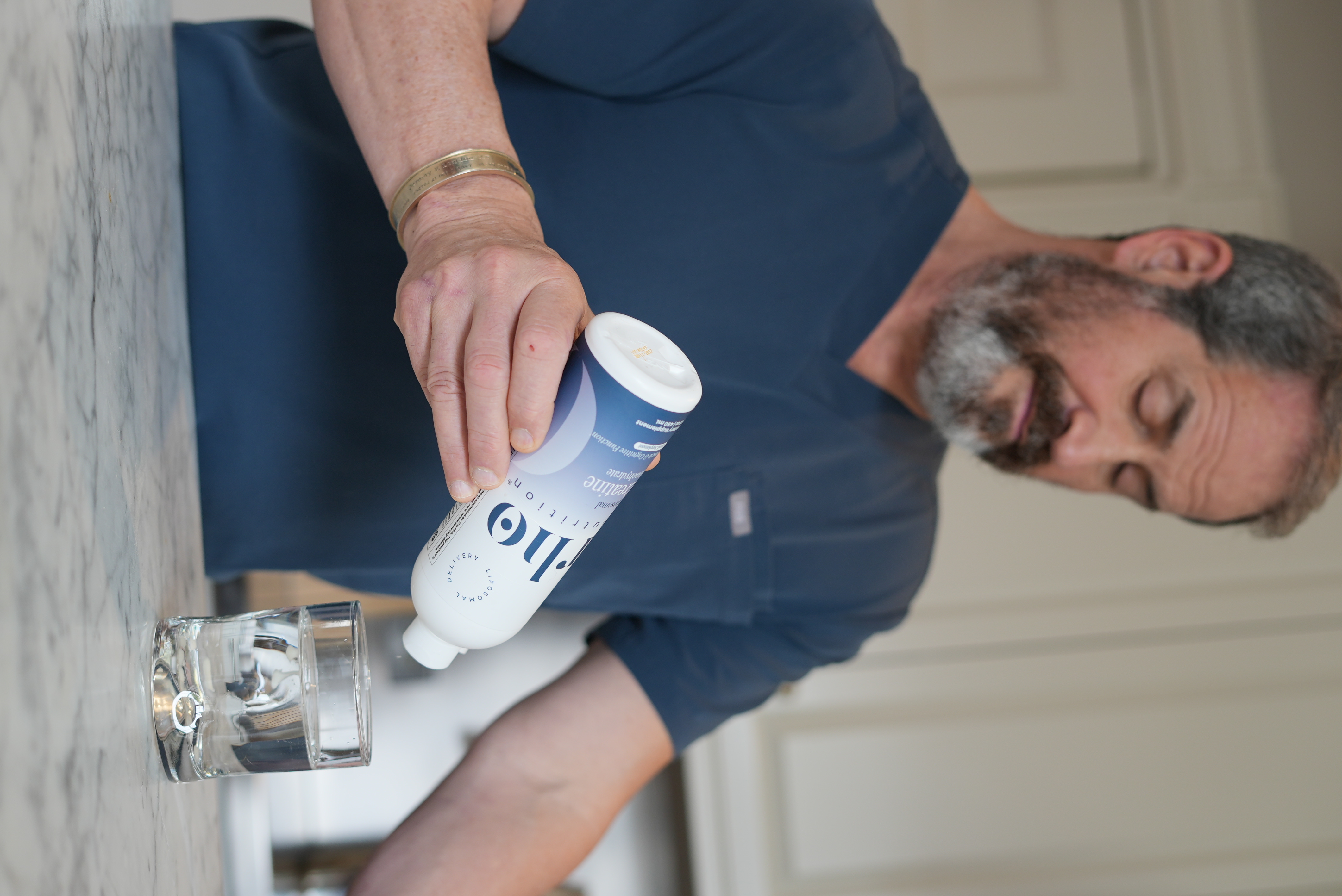
I take Momentous Creatine daily - in fact, when I travel, I use their convenient travel packs.
We've partnered with Momentous due to its quality. Momentous sources it's creatine from Creapure, which is considered the highest-quality creatine available. All of Momentous's products are NSF and Informed-Sport certified, which are both considered the gold standard for supplements.
Get 35% OFF Momentous Creatine
Only the best,
Jeremy London, MD
P.S. Don't forget to follow my podcast for free on Spotify or Apple Podcasts


.jpg)
.jpg)
.jpg)