Disclaimer: Not Medical Advice. Opinions are my own.
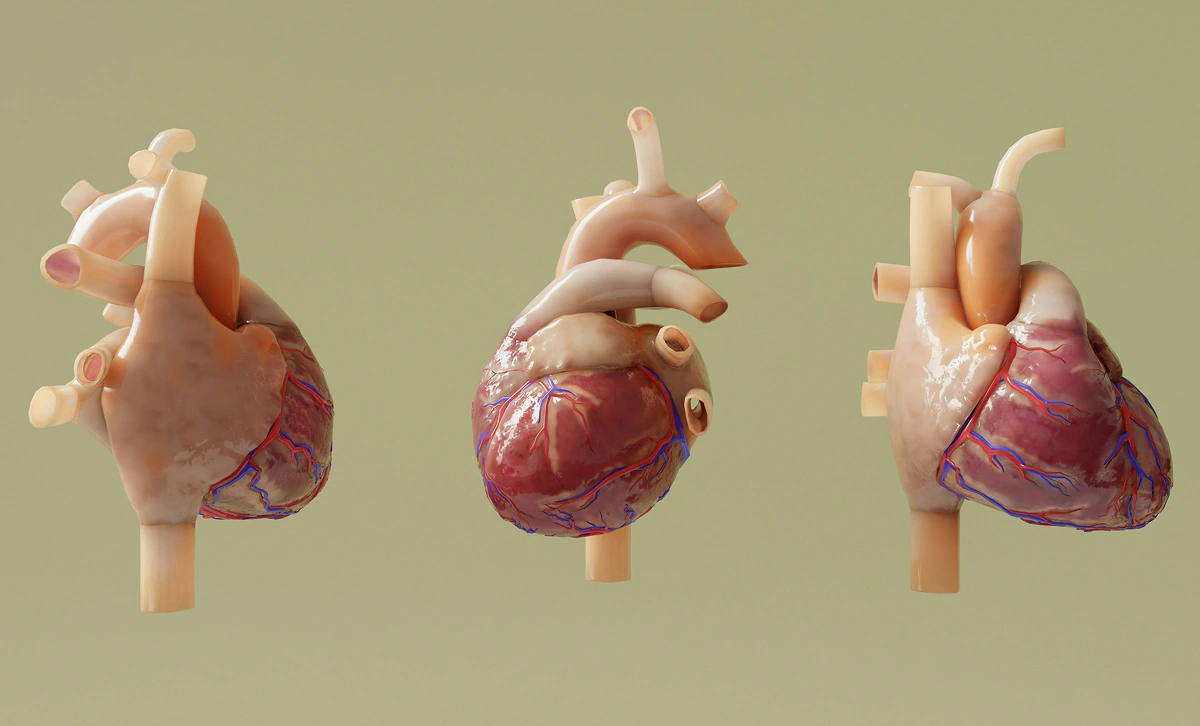
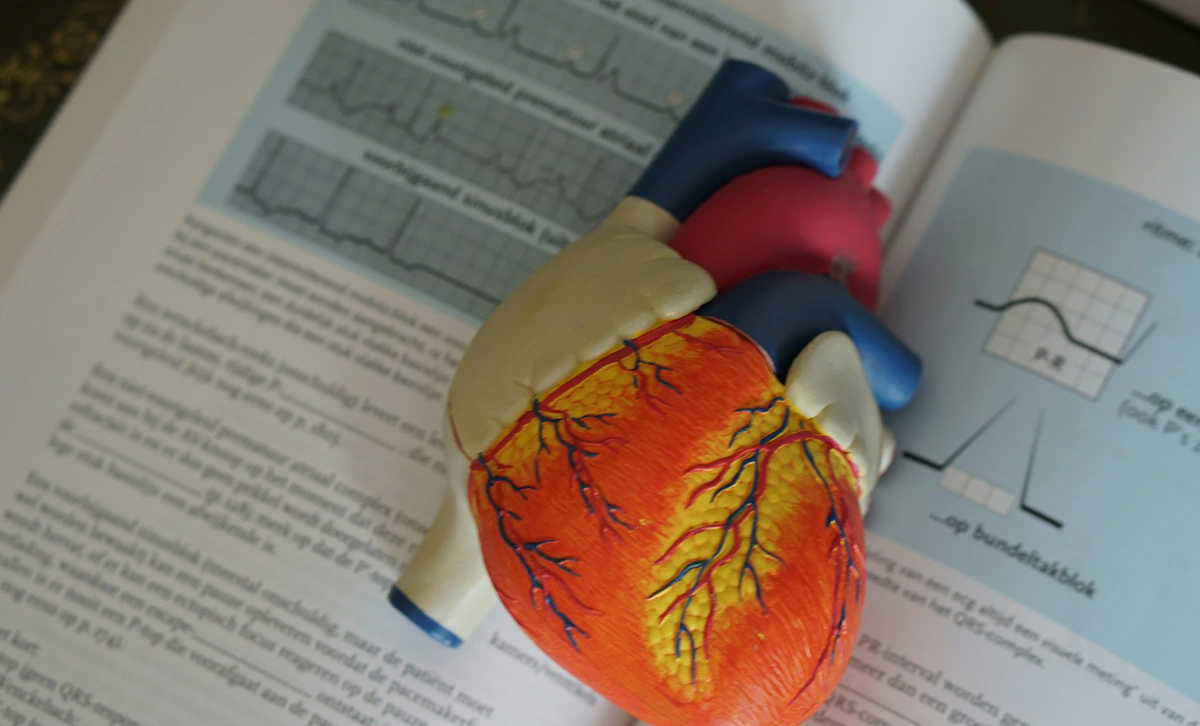
Heart disease is the number one killer worldwide.
My purpose and ultimate passion with the platform is to tackle this giant head-on.
1-in-3 people will die of heart disease; a terrifying statistic.
That means everyone reading this will be affected, if not already, by heart disease. You, a family member, friend, colleague, or someone in close proximity, will likely have heart disease.
This sobering reality should be common knowledge.
What tests are available today to determine your risk for heart disease?
In today's newsletter, we'll cover each test, when they are utilized, and what to expect.
Preventive Medicine is Everything
Take responsibility for your health.
Although we can't run from our genes, each of us has some control over how they are expressed.
Preventive medicine is the best form of medicine, meaning that it can help us avoid or significantly delay a disease process.
I love this quote from Dr. Bob Rako:
"The heart attack at 50 began at 20. The Alzheimer's at 70 started at 40. The loss of independence at 80 began at 30. The aging you want tomorrow begins with the choices you make today."
The tests we will discuss today don't prevent or fix the underlying problem.
They only validate and measure where you are today.
Non-Invasive Screening Tests
Non-invasive screening tests do not require cutting, puncturing, or inserting instruments into the body.
These screening tests come with their own set of limitations, but they can be a great starting point for gaining a broad overview of your overall cardiac risks.
Calcium Scoring CT Scans
A calcium scoring test measures the amount of calcium buildup you have in your coronary arteries (arteries that provide blood flow and nutrients to the heart).
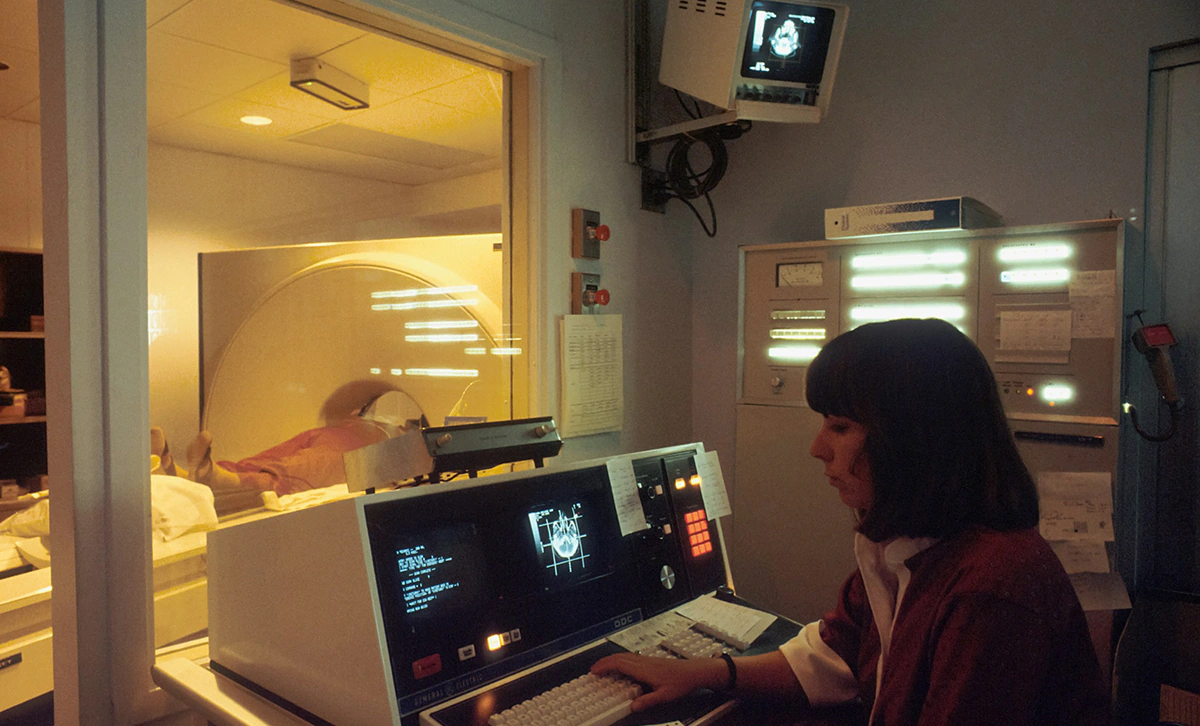
You are placed in a CT scanner, and within a few minutes, you can get an idea of your calcium burden.
The benefit of a calcium scoring CT scan is its affordability ($90-$150+); you don't need a doctor referral, and it's quick.
The calcium score is ranked from 0 (no calcium) to 400+ (a strong presence of calcium). The lower your calcium accumulation, the lower your risk of coronary artery disease (CAD).
Calcium scores are most beneficial in the extremes. If your score is totally normal, your probability of CAD risk is low. If your score is extremely high, then this warrants a timely investigation.
The middle group isn't as beneficial because your risk can be uncertain.
This leads us to the next non-invasive test, a Cardiac Stress Test.
Cardiac Stress Test
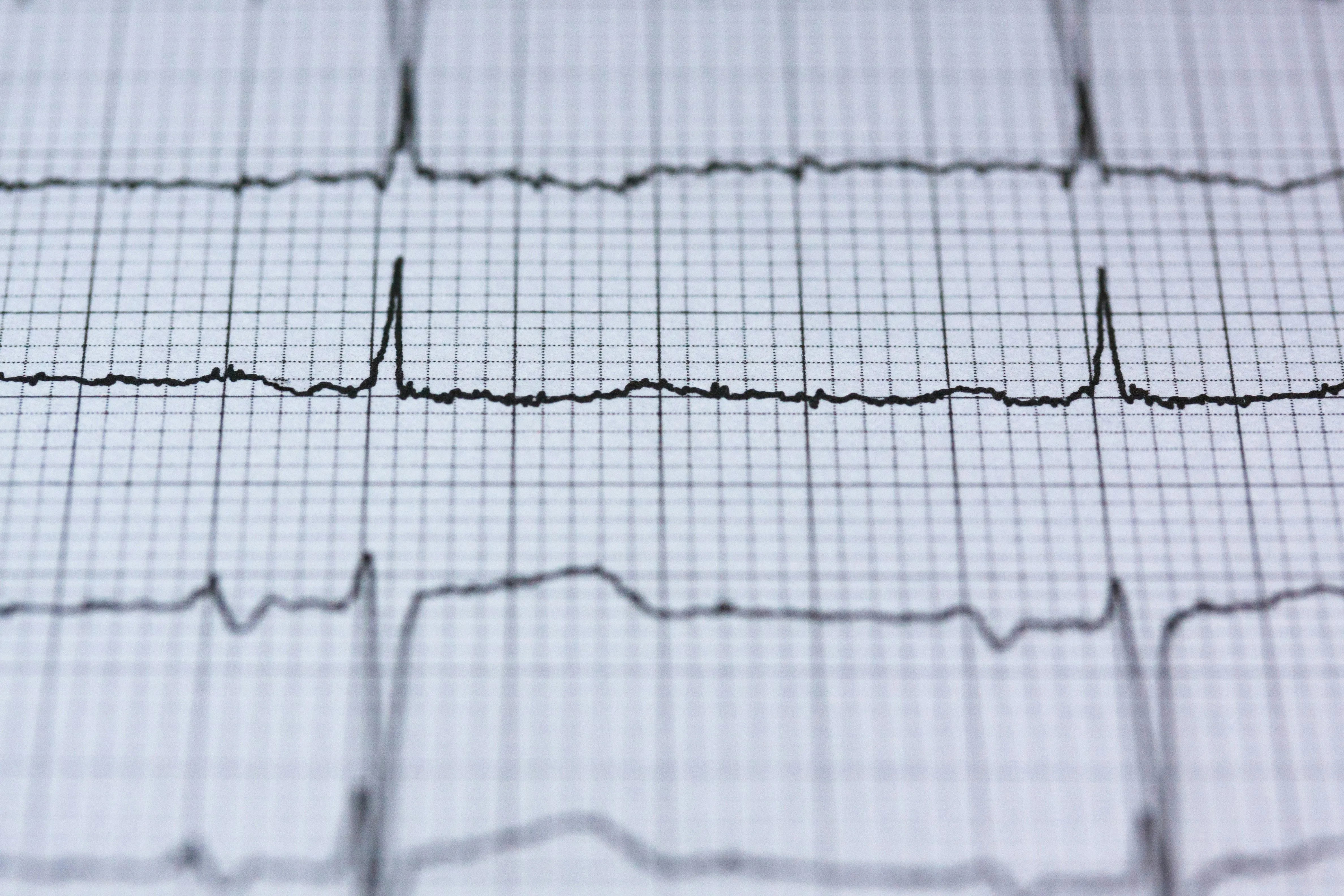
A cardiac stress test evaluates the heart's electrocardiogram (EKG) and symptoms under stress.
You are placed on a treadmill or a stationary bike, and the effort is gradually increased to induce controlled stress on your heart.
Note: People who can't exercise may be given a medicine that simulates exercise for the heart by increasing heart rate.
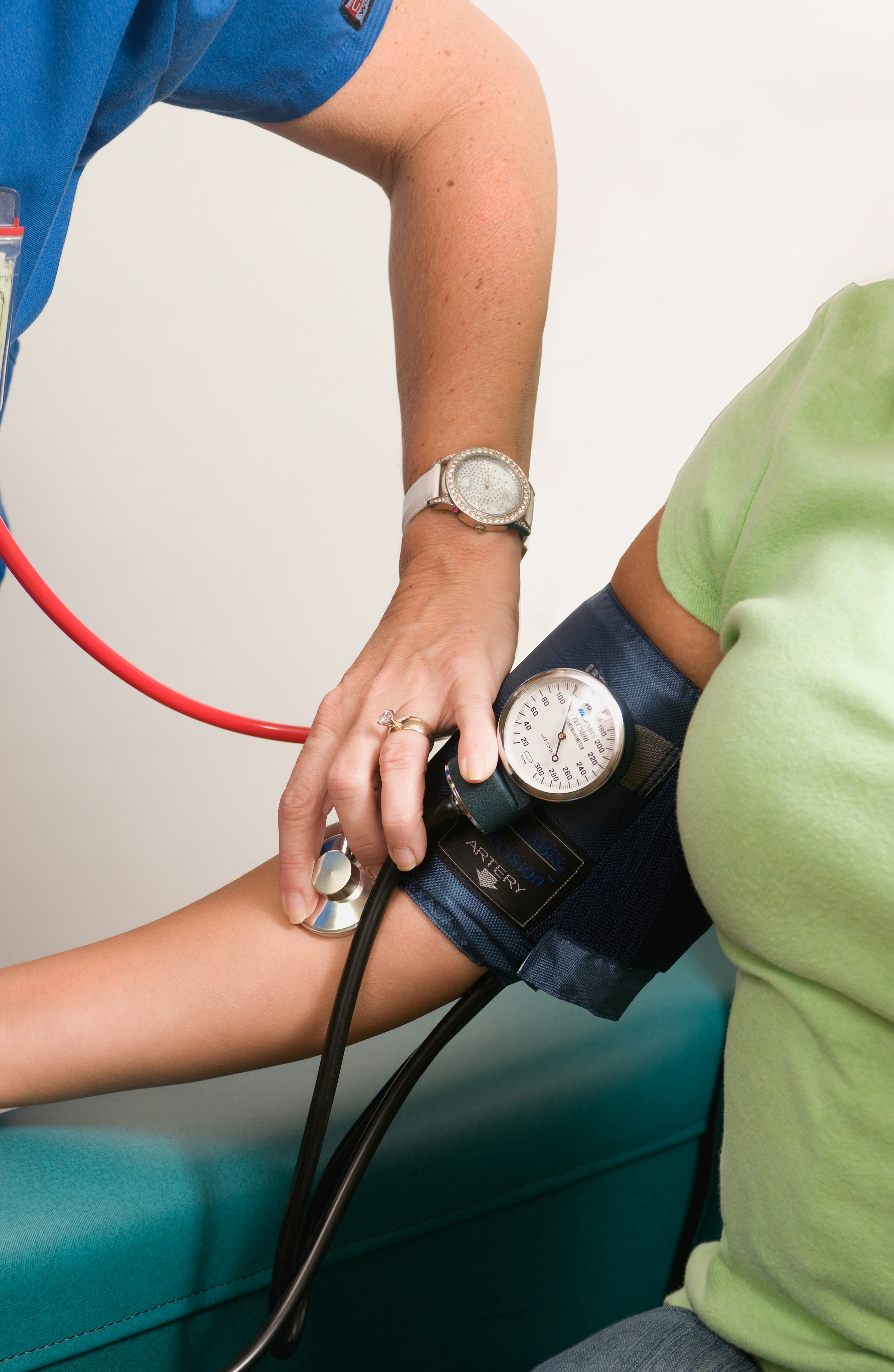
During this time, you are monitored via electrodes on your chest and potentially on your arms.
You will be closely monitored for symptoms such as chest pain, dizziness, shortness of breath, etc. In addition, you are monitored for changes in the EKG.
Furthermore, you can get a nuclear stress test or a stress test with an echocardiogram, which is essentially a stress test combined with imaging to evaluate changes in heart function under stress.
Based on your results, your qualified healthcare professional will direct you accordingly.
Echocardiogram
This is very similar to an ultrasound women get during pregnancy.
A small probe is placed on the chest to provide imaging that evaluates valve function, determining whether the valve is blocked, leaking, or normal.
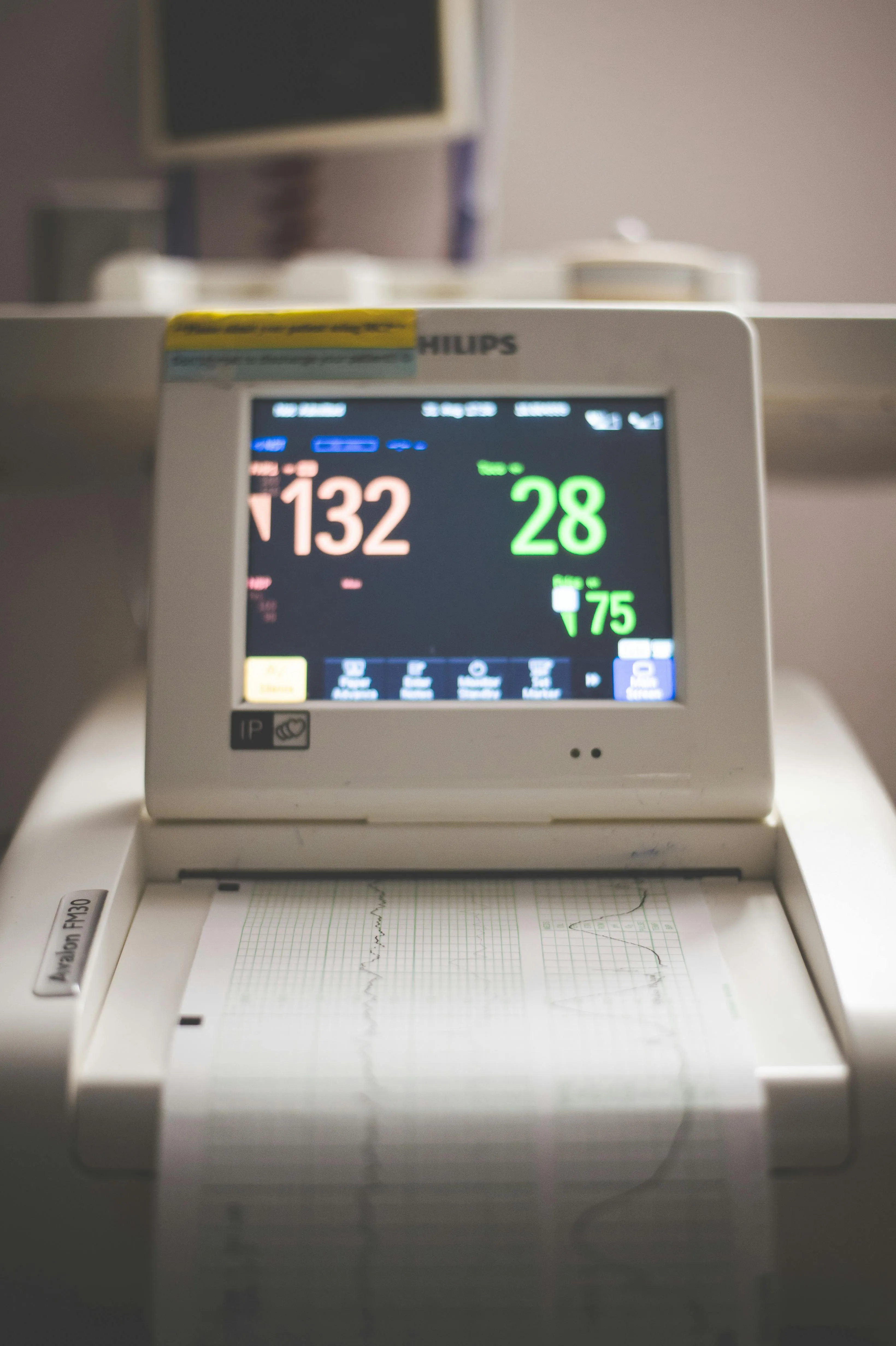
In addition, these images can assess the function or strength of the heart, a key determining factor in mortality after heart surgery and overall longevity.
The heart's strength is measured via the ejection fraction, which is the percentage of blood ejected from the pumping chamber with each heartbeat.
Surprisingly, 100% of the blood isn't ejected with each beat.
A normal ejection fraction is 60-70%.
The Gold Standard: Invasive Testing
You now have the basic understanding of the three main non-invasive screening tests in your toolkit.
Screening tests are a great place to start, but they will not offer the whole picture.
If there is any question, uncertainty, or vagueness in your results, the gold standard for detecting blockages in heart arteries will answer it.
Cardiac Catherization
Cardiac Catherization is an invasive test and is the go-to for determining if a patient has coronary artery disease.
It works by a small catheter being inserted either in the wrist or groin and, with x-ray guidance, being passed through the body to the heart.
Next, dye is injected into the heart arteries to clearly define if there are any blockages.
If significant blockages are found, a stent can be deployed to open the blockage and reestablish blood flow.
Bypass surgery may also be an option.
The Underlying Problem
I want to leave you with this: a screening test and invasive testing can diagnose problems and potentially fix them to avoid Major Adverse Cardiovascular Events (MACE).
However, addressing the root cause that led to the blockage in the first place should remain our focus to slow or prevent future events.
How?
The must-avoids are:
- Smoking/Vaping
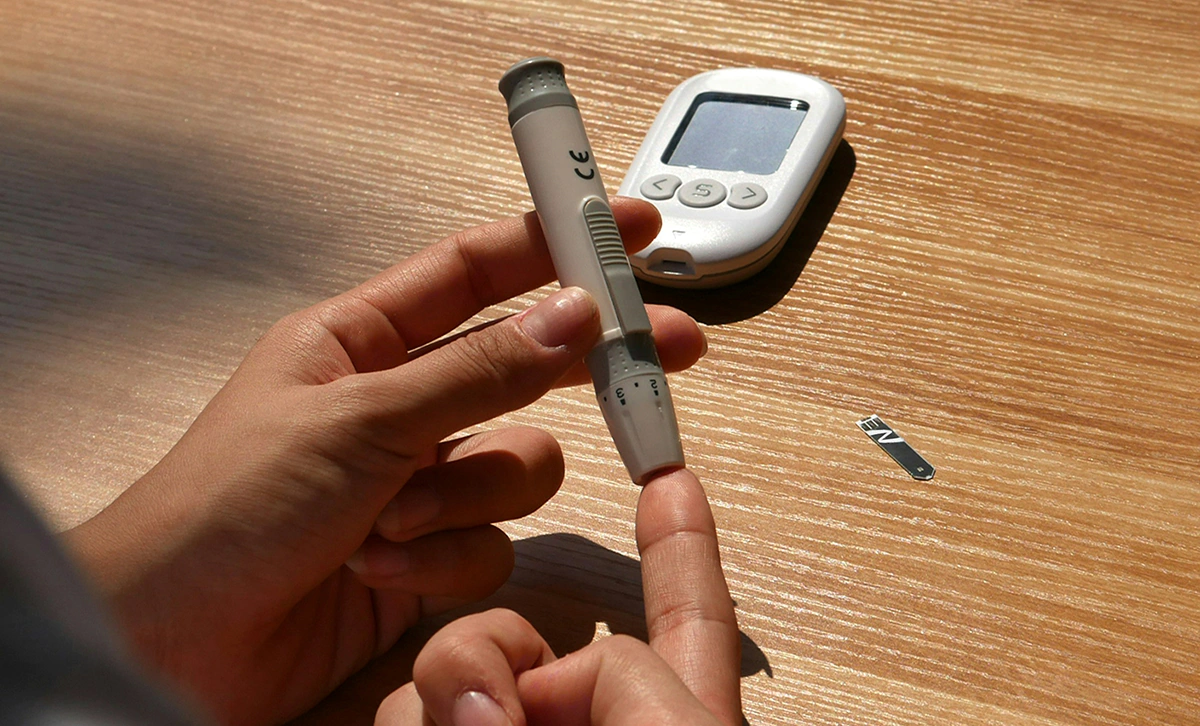
- Type 2 Diabetes
- Elevated ApoB
- Hypertension
What Makes Rho Different
Rho Nutrition because they bring something different to your fridge.
Rho offers third-party-tested liposomal delivery products. Why does this matter? Most pills and powders lose a significant amount of the active ingredient during digestion.
Rho encapsulates each nutrient (creatine, glutathione, NAD+, curcumin, collagen, etc.) within a tiny liposome that survives the gut and ferries the compound intact into the bloodstream.
Liposomal delivery helps ensure that the vitamins and supplements you purchase are getting absorbed and not lost during digestion.
My personal morning Rho stack is their liposomal creatine, glutathione, DIM+, and NAD+, and before bed, I take their liposomal magnesium.
The founders, Ryan and George, firmly believe you will feel the Rho difference, but if you're not satisfied, they offer a 60-day money-back guarantee.
Click here to save 20% and add Rho to your daily routine
Take responsibility for your exercise regimen, your nutrition plan, your sleep hygiene, and your overall healthcare.
Prevention is the best form of medicine.
Only the best,
Jeremy London, MD


.jpg)





.jpg)
.jpg)