


"This food boosts your metabolism!""Drink this to speed up your metabolism!""Avoid this food, it slows your metabolism!"
We have all seen these claims plastered on ads, social media posts, and commercials.
At the same time, I've heard "I can't eat that anymore because my metabolism has slowed down" or "I can't lose weight because I have a slower metabolism than others".
It's difficult to know what to believe and which key components are actually in play.
In today's newsletter, we are going to unpack exactly what metabolism is, answer whether there is any truth in which foods impact your metabolism, and how your metabolism changes with age.
What is Metabolism?
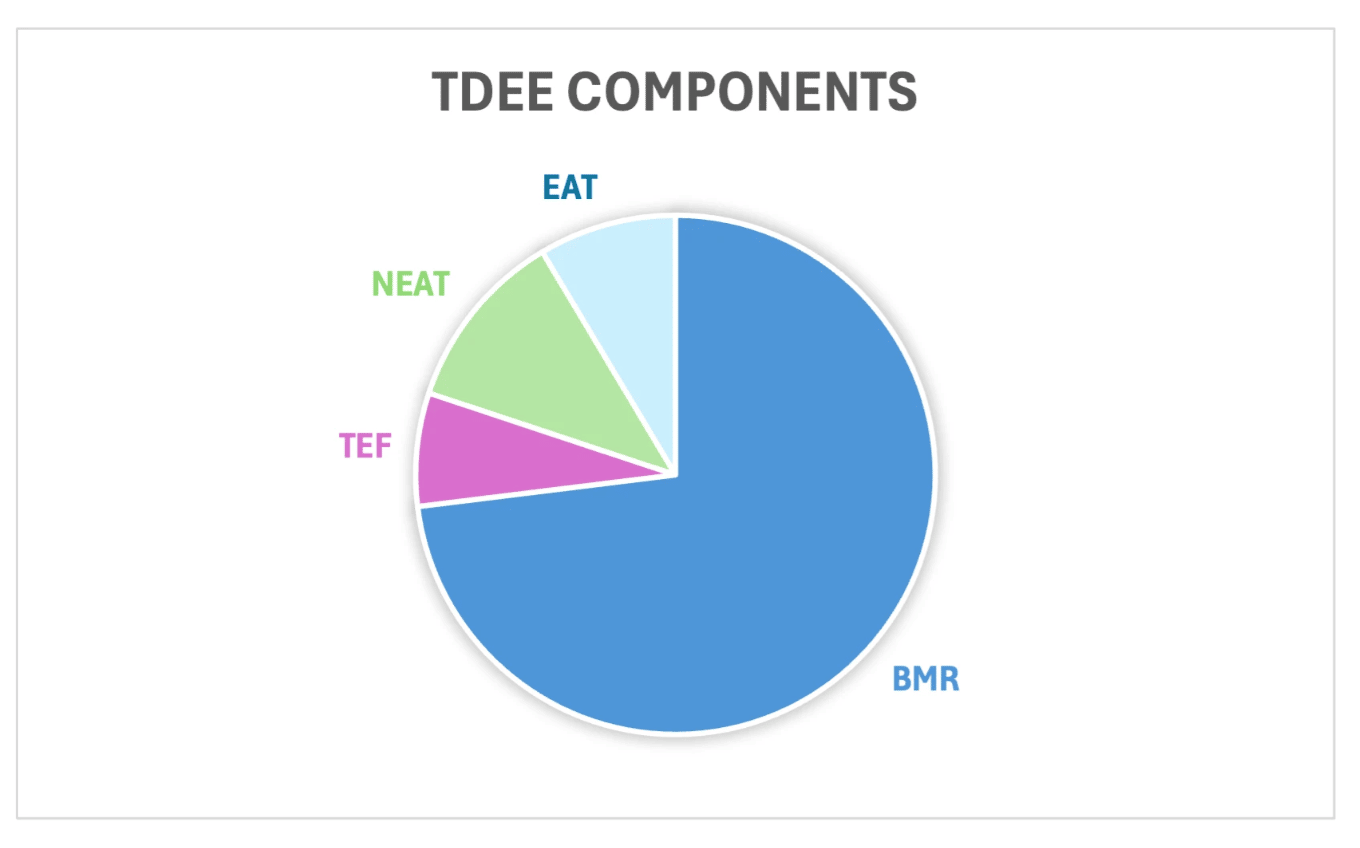
Let's break down the components of your metabolism:
- Basal Metabolic Rate (BMR): Accounts for 60–75% of total daily energy expenditure. It is the minimum number of calories your body requires to maintain essential life-sustaining functions, determined largely by fat-free mass (muscle/organ mass).
- Non-Exercise Activity Thermogenesis (NEAT): All activities that are not sleep, digestion, or formal exercise include spontaneous activities like fidgeting or walking. Highly variable between individuals, typically 15-20% of total daily energy
- Exercise Activity Thermogenesis (EAT): Calories burned during intentional exercise; varies widely based on lifestyle. Typically, 5-10% of total daily energy.
- Thermic Effect of Food (TEF): Typically 10% of daily energy expenditure; influenced by meal size/composition—protein-rich meals increase TEF more than fats or carbohydrates
All of these components make up your total daily energy expenditure (TDEE) or the total amount of calories you burn each day.
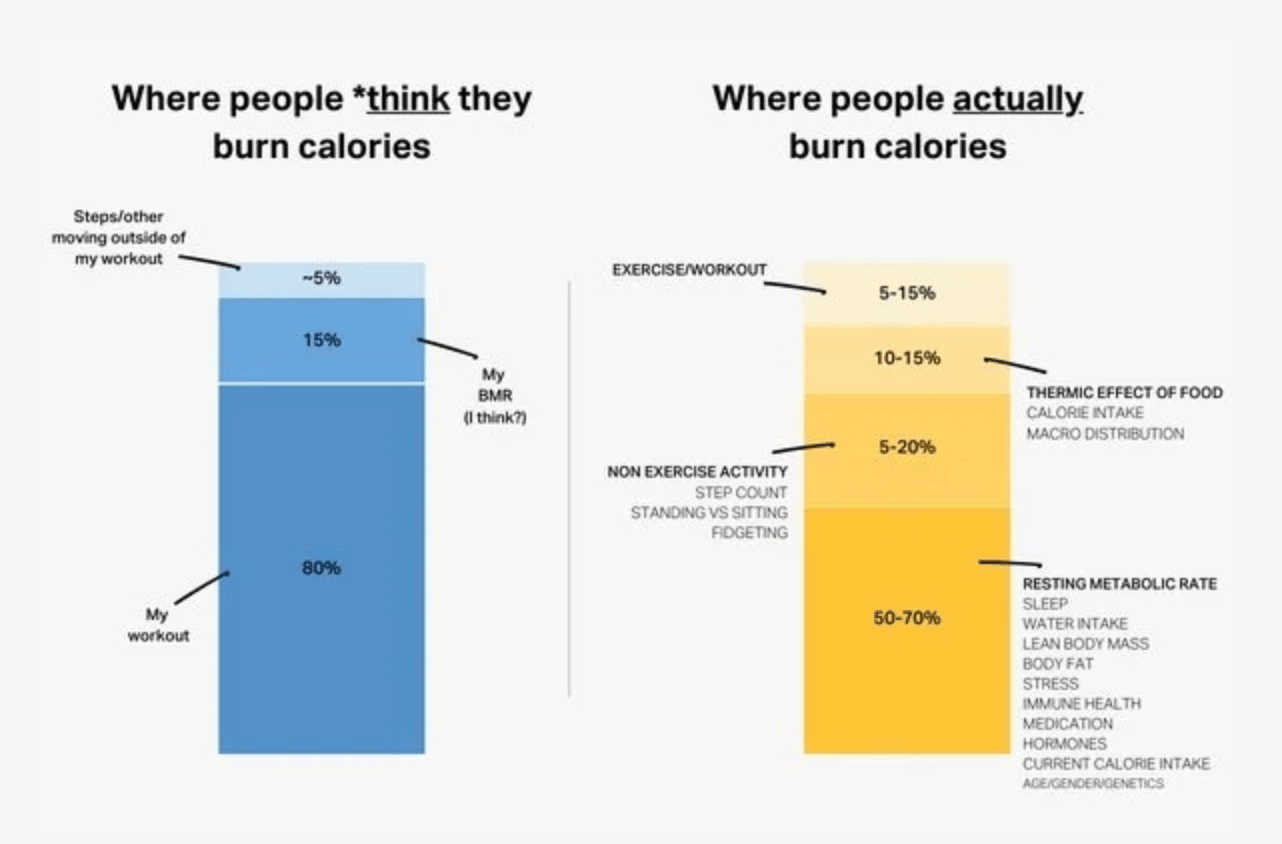
Interestingly, you may have noticed that food and the energy required to digest it account for only approximately 10% of your total daily energy expenditure.
That's right: 10%.
So if you consume foods like protein that require more energy to digest, we are talking about a few percentage-point change.
"But I have a different or slower metabolism, which is why I gain or can't lose weight!"
There is some truth in that, just not in the way most people think.
In order to lose weight, this equation must be true:
Caloric intake < TDEE (BMR + NEAT + EAT +TEF)
It may appear that your metabolism is slower than others', when in reality, you are out-consuming your total daily energy expenditure.
The types of food you consume aren't responsible for the speed of your metabolism, and, as discussed, the Thermic Effect of Food (TEF) is a minor part of the puzzle.
Does Your Metabolism Slow With Age?
"I can't eat the same way, my metabolism has slowed down as I've aged!"
Again, another point that does contain truth but is often misinterpreted.
It is true that our metabolism naturally slows with age.
There are biological and hormonal changes at play, but the primary drivers are:
- Basal Metabolic Rate does drop due to sarcopenia (muscle loss with age). Less muscle, less energy burned.
- Decrease in our physical activity (EAT + NEAT) from childhood, adulthood, to late life.
Interestingly, a large doubly labeled water database showed three phases of changes in metabolism:
1–20 years: high, then gradually falling to adult levels.
20–60 years: TEE (adjusted for body size) is stable.
>60 years: clear decline in energy expenditure, ~20% lower than expected from organ size models in older adults
So yes, metabolism has been shown to slow with age, primarily due to reduced daily activity and muscle loss.
It is not, however, because certain drinks, foods, or the timing of food is the culprit. If you are struggling to lose weight, the equation still holds: caloric intake < TDEE (BMR + NEAT + EAT + TEF).
Here's What Actually "Boosts" Metabolism
Now that we are aligned on the fact that what you eat and drink has minimal impact on the "speed" of your metabolism, let's explore what tactical steps you can take to increase energy expenditure.
The two biggest pillars:
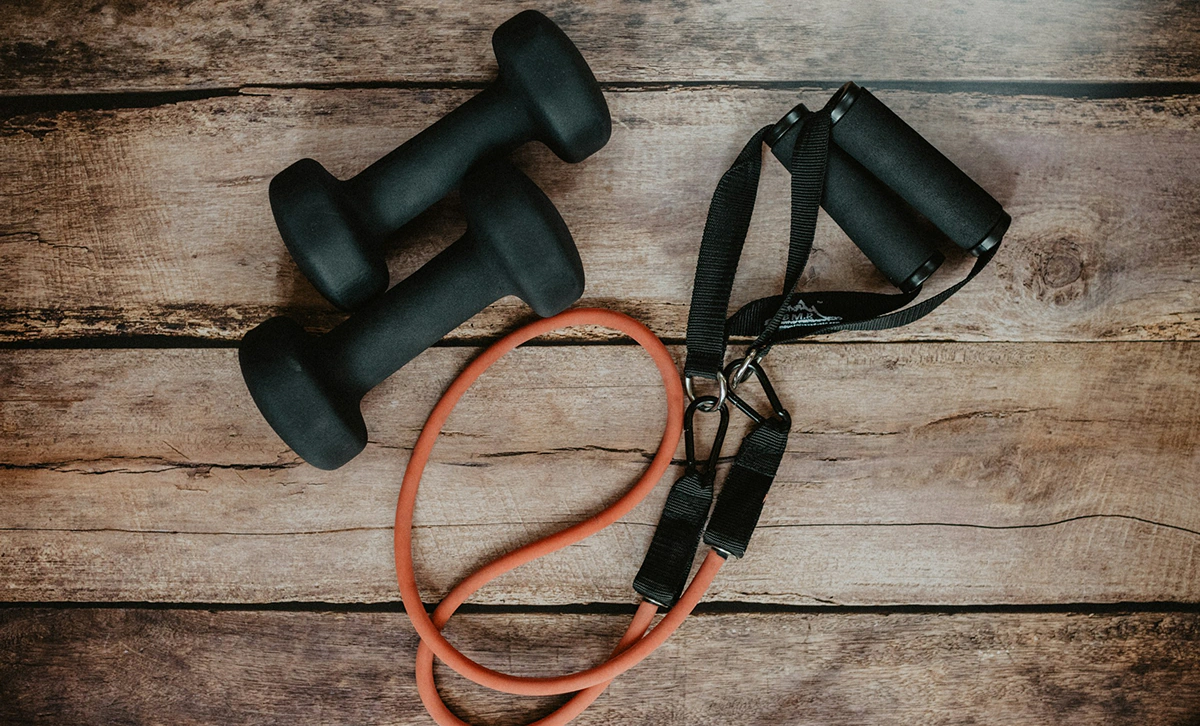
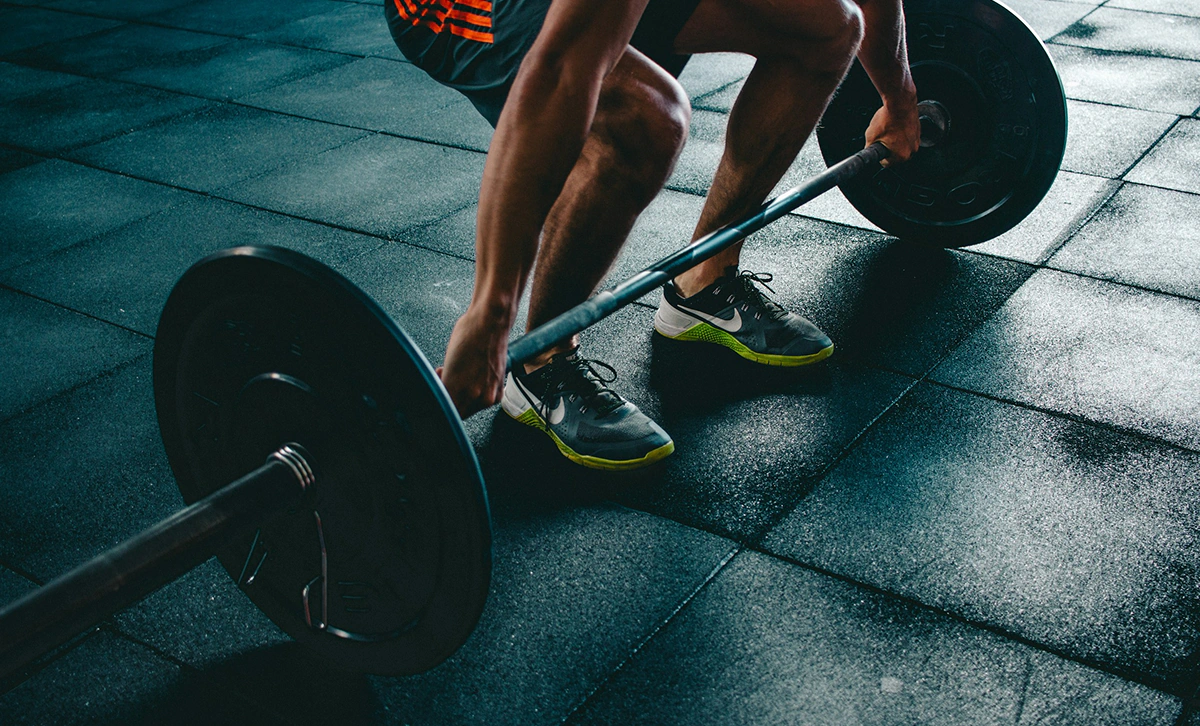
- Resistance training and building muscle. Gaining muscle will increase your BMR. Muscle requires more energy to function.
- Increasing your Non‑Exercise Activity Thermogenesis (NEAT) with behavior and environmental changes. Working with a standing desk, pacing, taking walks during calls, and “activity snacks” (stairs, brisk walks, chores) throughout the day have all been shown to increase NEAT.
Though neither tactic may completely eliminate age-related metabolic decline, both can significantly increase your total daily energy expenditure.
In summary, focus on staying active outside structured workouts and on building muscle to increase your resting calorie burn.
Though “metabolism-boosting foods” are appealing because they sound quick and easy, don't be surprised when you don't get the desired result.
It’s not that your metabolism is broken— it’s that your intake and output are misaligned.
Remove 97.3% of Microplastics From Your Water
My family and I make a huge effort to reduce our environmental exposure to harmful toxins.
Our tap water contains contaminants.
Since we drink water daily, this is an area worth addressing.
Over 95% of US water systems tested positive for at least one carcinogen. Federal Limits for contaminants in tap water are often 10-100x higher than recommended health guidelines.
That’s why we started using the Rorra Countertop System.
Built with medical-grade stainless steel and rigorously tested by NSF, the Rorra filtration system is proven to significantly reduce lead, PFAS, microplastics, and 50+ other contaminants.
Want to see the power of the Rorra filter in real time? Click here
It takes less than 5 minutes to set up, requires no plumbing or installation, and looks great.
Unlike other filters, Rorra removes harmful substances while keeping beneficial minerals, such as calcium and magnesium, in your drinking water.
Only the best,
Jeremy London, MD
P.S. Don't forget to follow my podcast for free on Spotify or Apple Podcasts
Related Articles

.jpg)
.jpg)
.jpg)























Subscribe for Free to Keep Reading
This content is free, but you must be subscribed to keep reading.