EatingWell
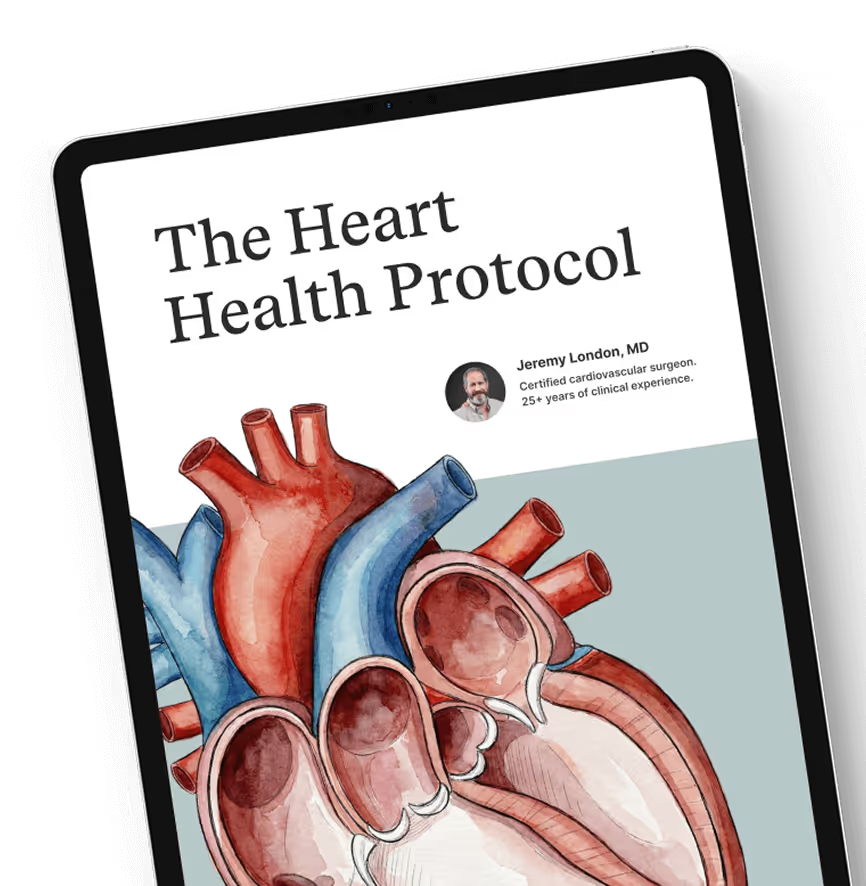
A Heart Surgeon Shared What He Eats in a Day, and His Morning Routine Might Shock You
After decades treating heart disease, Dr. Jeremy London became the patient. It changed how he cares for his own health — and helps others care for theirs.

For more than 25 years, Jeremy treated cardiovascular disease from the physician’s side of the table. His own heart attack changed how he thinks about prevention, patients, and the responsibility we all have to act on what we know.

At first, Jeremy called it heartburn.
When the discomfort returned with activity and eased with rest, he recognized the pattern. It was something he saw in his patients every day. But accepting that it could be happening to him was another matter.
Later that day, while out in the country with his youngest son, crushing chest pain brought him to his knees. Far from home, with no cell service, his thoughts turned to his son — and what it would mean if he didn’t make it back.
Even then, he delayed seeking help.
When he finally sought care, testing revealed a 99% blockage in one of his heart arteries. A stent restored blood flow, and he was fortunate, but he knew something had to change.
Jeremy’s experience reinforced a simple truth: information alone doesn’t change outcomes.
The real work is recognizing our own risks, understanding where the gaps are, and making choices we can actually sustain.
His approach brings together clear science, practical guidance, and a focus on the things that matter most.
Medical guidance should be rooted in solid science — and translated clearly, without exaggeration or hype.
Real health isn’t built through perfection. It’s built through habits that fit into real lives and can be maintained over decades.
No two bodies are the same. Using data, diagnostics, and biomarkers helps people understand their own signals and make informed choices.
The goal isn’t urgency or alarm — it’s confidence, clarity, and long-term protection.
The experience altered Jeremy’s perspective in ways that went far beyond his own health.
Family, relationships, and caring for himself became harder to ignore.
It also changed how he cared for patients. He understood their fear and uncertainty differently because he had finally experienced it from the other side.
That perspective shapes his approach today: clear guidance, practical steps, and compassion for the person making the change.

That mission is driven by a simple belief: most heart disease is preventable when people are given the right information, at the right time, in a way they can understand and trust.



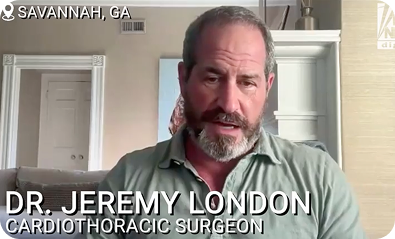






Just clear, compassionate, science-backed guidance that helps you take control of your heart health — starting today.