Disclaimer: Not Medical Advice. Opinions are my own.
Hard decisions today, easier life later.
Easy decisions today, harder life later.
In today's bonus newsletter, we will lean into the importance of doing hard things.
In its simplest form, life can be seen as a series of challenges and solutions, an endless loop of effort and reward.
G. Michael Hopf's quote summarizes this dynamic: "Hard times create strong men, strong men create easy times, easy times create weak men, and weak men create hard times."
Human history is cyclical, in which resilience and effort lead to prosperity and complacency to decline.
Struggling towards a positive mission not only benefits you but those around you.
Human Cycle of Struggle and Reward
Let's examine history—from ancient civilizations that had to fight for survival to modern societies rebuilding after wars.
Hard times force people to innovate, collaborate, and push beyond their limits.
During the Great Depression, the United States created a generation known for its resilience, hard work, and ingenuity, ultimately laying the foundation for the economic boom of the mid-20th century.
However, as these "strong men" create "easy times," the necessity for hard work diminishes.
In times of security, people tend to fall complacent, and the same strength that resulted in prosperity starts to fade.
This complacency leads to a weakened society that, in turn, faces new hard times, thus completing the cycle.
The Roman Empire is a perfect example: what began as a society built on discipline and hard work gradually fell into decadence and moral decline, paving the way for its eventual fall.
Your Brain and Doing Hard Things
While history provides countless examples of how effort leads to reward, neuroscience offers insights into how our brains are hardwired for this dynamic.
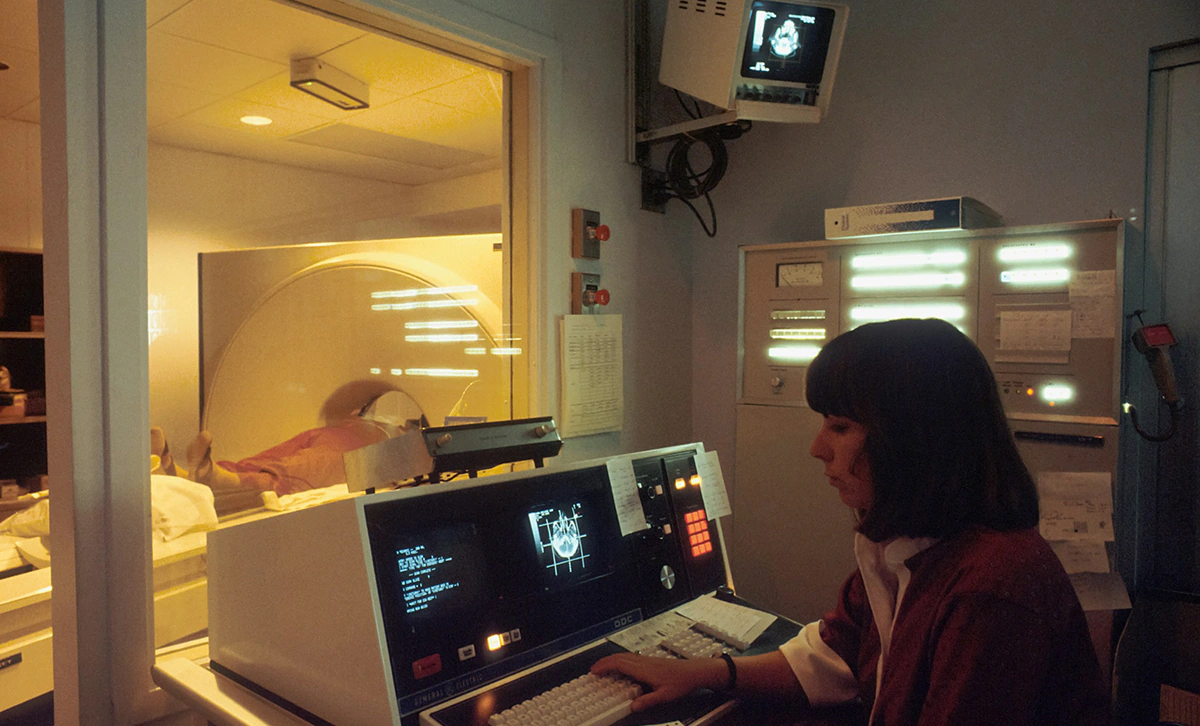
The anterior mid-cingulate cortex (aMCC) is a part of the brain heavily involved in decision-making, particularly regarding effort-related choices and the anticipation of rewards.
Research has shown that the aMCC becomes particularly active when an individual is faced with difficult tasks or challenges that require effort and perseverance.
This part of the brain evaluates the potential rewards of a task against the effort required to complete it. When the MCC determines that the potential reward outweighs the effort, it activates neural circuits associated with motivation and drive, pushing us to face and overcome obstacles.
This neural mechanism is crucial when success depends on sustained effort in academic pursuits, athletic endeavors, or personal growth.
The good news is that the aMCC works similarly to our muscles. If you consistently challenge yourself, your aMCC grows. When you fail to keep hard promises, your aMCC shrinks.
In this study, "super agers," individuals who maintain exceptional cognitive performance well into old age, show that they tend to have greater gray matter volume in areas including the aMCC. This supports the idea that larger and healthier aMCC structures contribute to cognitive longevity.
Effort Matters
Effort is not only a means to an end but also a transformative process that shapes our character and abilities.
Investing effort into something meaningful develops resilience, discipline, and a sense of purpose.
These qualities are essential for personal growth, enabling us to overcome setbacks and achieve our goals.
From a societal standpoint, the collective effort of individuals is the bedrock of progress.
Every significant advancement in human history—technological, scientific, or social—has resulted from sustained effort and determination.
The Renaissance, for example, was marked by a resurgence of creativity, innovation, and intellectual effort that laid the foundation for modern Western civilization.
Take Aways
The concept that life rewards effort is deeply embedded in both human history and our neurobiology.
G. Michael Hopf's quote reminds us that effort drives progress, strength, and prosperity, while complacency leads to decline.
There will be many times when you have the choice of hard right or easy wrong.
Which will you choose?
If you enjoyed this email, share it with someone you think would benefit.
I want to hear from you. Do you think struggle is necessary for success?
What Makes Rho Different
Rho Nutrition because they bring something different to your fridge.
Rho offers third-party-tested liposomal delivery products. Why does this matter? Most pills and powders lose a significant amount of the active ingredient during digestion.
Rho encapsulates each nutrient (creatine, glutathione, NAD+, curcumin, collagen, etc.) within a tiny liposome that survives the gut and ferries the compound intact into the bloodstream.
Liposomal delivery helps ensure that the vitamins and supplements you purchase are getting absorbed and not lost during digestion.
My personal morning Rho stack is their liposomal creatine, glutathione, DIM+, and NAD+, and before bed, I take their liposomal magnesium.
The founders, Ryan and George, firmly believe you will feel the Rho difference, but if you're not satisfied, they offer a 60-day money-back guarantee.
Click here to save 20% and add Rho to your daily routine
All the best,
Jeremy London, MD



.jpg)




.jpg)
.jpg)