One of the most requested topics to cover is cholesterol-lowering medication.
Once dietary and lifestyle changes have been implemented, the next conversation often centers on supplementation and medication.
Most patients leave the doctor's visit with no real understanding of what the drug is actually doing inside their body.
After you finish reading today's newsletter, you will be well-equipped with an understanding of how these tools actually work.
If you want to learn the basics about cholesterol, ApoB, and LDL-C first, check out this previous newsletter edition.
In today's newsletter, we will cover five tools that lower ApoB: Fiber, Berberine, Statins, Ezetimibe, and PCSK9 Inhibitors.
Disclaimer: Do not start, stop, or switch medications without having a conversation with your qualified healthcare professional.
How Your Liver Controls Cholesterol
Cholesterol is absolutely essential for brain health, hormones, and cell membranes, so the goal isn't to drive levels down to zero.
The goal is to reduce levels enough to meaningfully slow or halt plaque formation in the arteries that matter — coronary, carotid, and cerebral.
Your liver is the master control system for cholesterol.
It makes most of the cholesterol in your body, packages it into particles, and clears it from the bloodstream using proteins on its surface called LDL receptors (LDL-R).
More LDL-R on the liver = more LDL pulled out of the bloodstream = lower circulating LDL in your bloodstream.
The following tools either:
- Reduce the amount of cholesterol your liver makes
- Change how much cholesterol enters your system
- Increase the number of LDL receptors that clear cholesterol from your blood.
That's it. Same goal. Different levers.
The 5 Tools to Lower Cholesterol: Fiber, Berberine, Statins, Ezetimibe, and PCSK9 Inhibitors
Soluble Fiber:
Fiber is the most underrated tool on this list.
Your liver uses cholesterol to make bile acids, which it releases into your gut to help digest fat. Most of those bile acids get reabsorbed and recycled back to the liver.
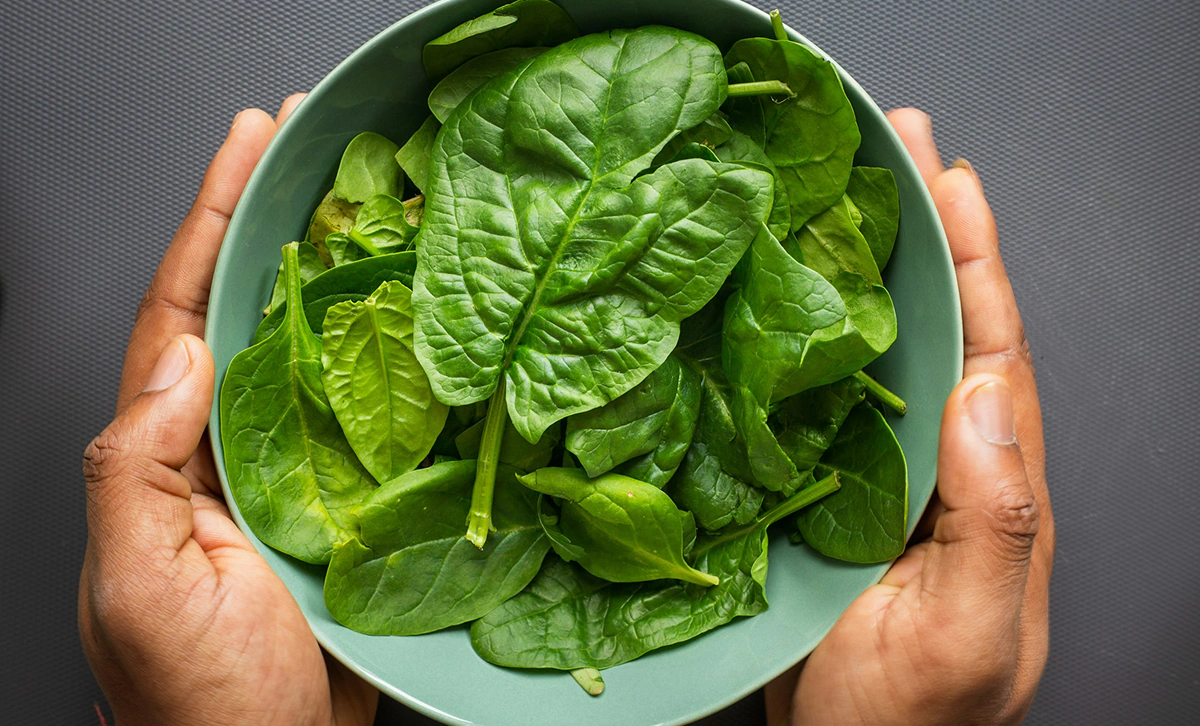
Soluble fiber (oats, beans, psyllium, chia) binds to bile acids in the intestine so they get excreted instead of reabsorbed.
The liver, short on bile acids, has to make new ones — and to do that, it pulls cholesterol out of the bloodstream.
A comprehensive meta-analysis of 181 randomized controlled trials found that soluble fiber supplementation reduced LDL cholesterol by 8.28 mg/dL overall, with a dose-dependent effect of approximately 5.57 mg/dL reduction per 5 g/day increase in soluble fiber.
Modest, but unlike a medication, fiber also improves gut health, blood sugar control, and satiety.
Berberine:
Berberine is a plant-derived compound that has received considerable attention as a "natural statin." The branding is overblown, but the mechanism is real.
Berberine appears to stabilize LDL receptor expression on liver cells and activate an enzyme called AMP-activated protein kinase (AMPK).
Multiple meta-analyses of RCTs consistently show that berberine reduces LDL cholesterol by approximately 15–19 mg/dL compared with placebo, with treatment durations ranging from 4 to 24 weeks.
This is a larger absolute reduction than supplemental fiber, though the evidence quality is notably lower.
It's worth noting that the long-term outcome data — does berberine actually reduce heart attacks and strokes? — does not exist at the level it does for medications and berberine can interact with other medicines.
Both fiber and berberine have been shown to modestly reduce LDL-C and ApoB, but neither supplement approaches the efficacy of moderate-intensity therapy.
Statins:
Statins block an enzyme in the liver called 3-Hydroxy-3-methylglutaryl-CoA (HMG-CoA) reductase, which is the enzyme your liver uses to produce cholesterol.
When the liver produces less cholesterol internally, it senses the shortage and responds by increasing the number of LDL receptors on its surface. Those receptors pull more LDL out of the bloodstream.
Therefore, less production + more clearance = a drop in circulating LDL of 30-50% or more.
Ezetimibe:
Ezetimibe is not a statin and, like fiber, works further upstream — primarily in the gut, not the liver.
It blocks a transporter in the small intestine called Niemann-Pick C1-Like 1 (NPC1L1), which is responsible for absorbing cholesterol from the food you eat and the bile your liver dumps into the intestine.
Less cholesterol absorbed = less cholesterol reaching the liver.
The liver responds, again, by upregulating LDL receptors to pull more cholesterol out of the blood.
On its own, ezetimibe lowers LDL modestly (~15-20%). Paired with a statin, the two mechanisms stack, and many patients who cannot tolerate a higher statin dose do very well adding ezetimibe.
PCSK9 Inhibitors:
Your body produces a protein called Proprotein Convertase Subtilisin/Kexin type 9 (PCSK9) that destroys LDL receptors on the liver.
More PCSK9 = fewer receptors = more LDL left in circulation.
PCSK9 inhibitors include monoclonal antibodies that block PCSK9. The result?
LDL receptors live longer, the liver clears more LDL, and blood levels drop significantly. A comprehensive network meta-analysis of 22 RCTs involving 42,786 patients who had not achieved adequate LDL-C reduction on maximally tolerated statin therapy saw the following results:
- LDL-C: −68.05% vs placebo
- ApoB: −54.95% vs placebo
- Lp(a): −34.25% vs placebo
These are injectables, given every two to four weeks.
They are expensive but becoming more accessible. Best suited for patients with very high LDL, familial hypercholesterolemia, or established heart disease who need more aggressive therapy than statins alone can offer.
The Bottom Line
The goal of this newsletter edition is to share 5 tools (supplements + medications) that have been proven to modestly to significantly improve LDL-C and ApoB.
I believe that everyone should have a basic understanding of A) the options available to us and B) what each one actually does in the body to lower circulating LDL-C and ApoB.
By now, you should understand how each of these tools works, so the next time you're in a doctor's office discussing any of them, you'll have a real footing to ask questions
Now, deciding which, if any, of the above is best for you is a personal decision to be made in partnership with your qualified healthcare professional.
Stay Hydrated. Replace What You Lose.
Hydration isn’t just about drinking more water — it’s about replacing what you lose.
When you sweat (from workouts, sauna sessions, or just daily life activities), you’re not just losing water — you’re losing electrolytes like sodium, potassium, and magnesium.
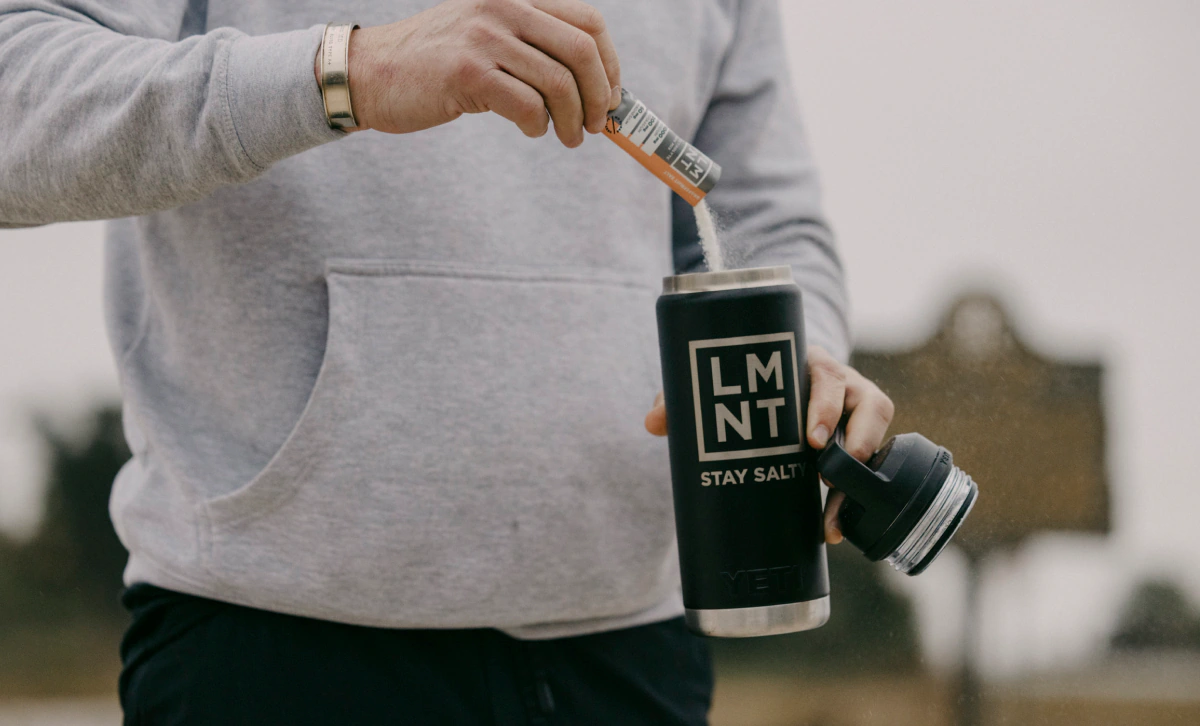
That's why I drink LMNT as my electrolyte replacement.
LMNT uses a science-backed electrolyte ratio of sodium, potassium, and magnesium.
Electrolytes are used by every cell in your body. Even minimal dehydration can limit cognitive and physical performance.
LMNT tastes great and helps me replenish my electrolytes after a hard workout or a sauna session. I mix one LMNT packet (usually Grapefruit Salt, my favorite flavor) into a 32-oz water bottle to stay hydrated throughout the day.
If you are active, sweat often, and want to try LMNT for yourself, click here to receive a FREE sample pack of all 8 flavors with any purchase, plus a No-Questions-Asked Refund Policy.
Only the best,
Jeremy London, MD
P.S. Don't forget to follow my podcast for free on Spotify or Apple Podcasts


.jpg)




.jpg)
.jpg)