Alcohol is and will always be a personal decision.
I write this article with zero judgment, but I do think it's important to understand the data and make a conscious decision.
There's a lot of debate and confusion around the idea of whether alcohol is cardioprotective or not.
In today's article, we will cover what happens when we drink alcohol, how alcohol affects certain cardiovascular risk factors, and answer the question: is red wine cardioprotective?
What Happens When We Drink Alcohol?
Let's start by answering the question: what happens when we drink alcohol?
Regardless of whether you drink beer, liquor, or wine, your body breaks down alcohol (ethanol) in two steps: first into acetaldehyde, then into acetate.
Acetate is essentially empty calories with no nutritional value.
Acetaldehyde, on the other hand, is toxic to every cell in the body. It damages proteins, DNA, and cell membranes before your liver can clear and excrete it.
Alcohol is classified as a Group 1 carcinogen.
The liver can process only about one standard drink per hour.
Drink faster than that, and acetaldehyde and unmetabolized ethanol both circulate longer, doing more damage to blood vessels, the liver, and the heart itself.
This matters for your heart because ethanol and acetaldehyde don't stay contained to the liver. They circulate through your bloodstream, generate oxidative stress, and directly affect the electrical and muscular tissue of your heart.
High Blood Pressure, AFib, and Heart Failure
In addition to the direct toxicity of acetaldehyde, alcohol consumption directly increases the risk of heart disease via three pathways.
It's important to point out that this relationship is dose-dependent. In other words, higher alcohol consumption results in a higher incidence of these risk factors.
Blood Pressure
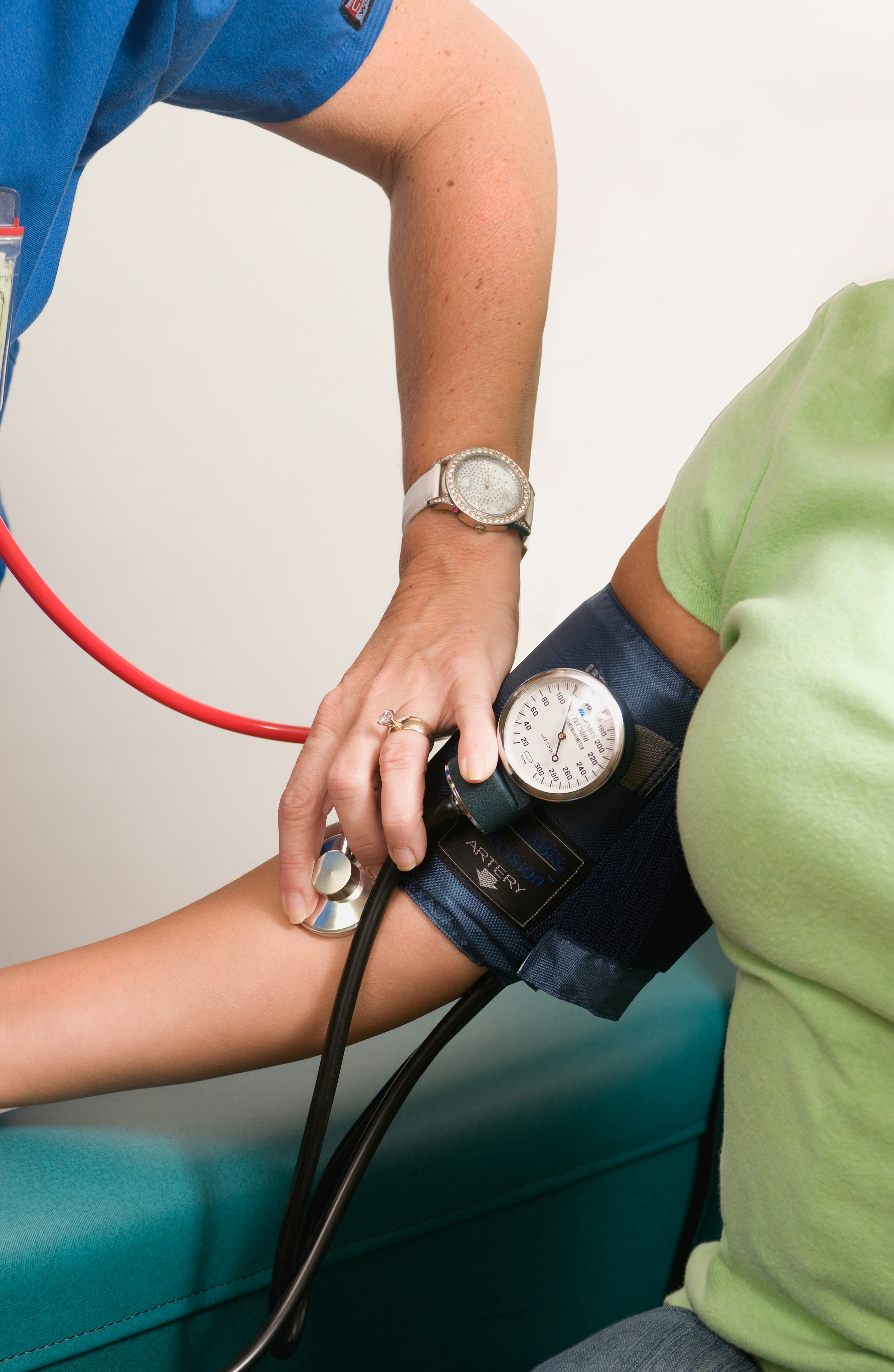
Alcohol raises blood pressure through several mechanisms: it stimulates your sympathetic nervous system (your "fight or flight" response), increases cortisol, impairs blood vessel function (the endothelium), and interferes with your kidneys' ability to regulate sodium and fluid.
This isn't just a binge-drinking phenomenon.
Large meta-analyses show a dose-dependent relationship — the more you drink, the higher your blood pressure climbs, even at levels once considered "moderate."
Atrial Fibrillation (AFib)
Alcohol is one of the most well-established, modifiable triggers for atrial fibrillation.
This is so common after a single binge-drinking episode that it's named "Holiday Heart Syndrome".
Alcohol shortens the electrical refractory period in the atria, promotes structural remodeling of atrial tissue over time, and increases vagal tone, all of which make the heart's upper chambers more prone to chaotic electrical signaling.
Even a single drink has been associated with a measurable increase in AFib episodes in people who already have the condition, and based on the data, there is a linear relationship between alcohol and AFib with "no clear threshold effect."
Heart Failure and Cardiomyopathy
With chronic, heavy use, ethanol becomes directly toxic to heart muscle cells (cardiomyocytes).
It impairs mitochondrial function, promotes oxidative stress, and disrupts calcium handling inside the cell — all of which weaken the heart's ability to contract.
Over time, this can progress to alcoholic cardiomyopathy: a dilated, weakened heart muscle that struggles to pump blood effectively.
Alcoholic cardiomyopathy accounts for roughly a fifth to a third of non-ischemic dilated cardiomyopathy cases.
Is Red Wine Heart Healthy?
One of the most popular questions asked: "Is red wine heart healthy?" We have written a full newsletter about it here.
This idea was mostly attributed to the "French Paradox," the observation that the French have relatively low rates of heart disease despite a diet rich in saturated fat, which helped popularize the idea that red wine's polyphenols, particularly resveratrol, protect the heart.
Here's the problem: that story was built almost entirely on observational data, and observational data on alcohol has a well-known flaw called "sick quitter bias."
People who don't drink often include former heavy drinkers who quit because they were already sick. That drags down the health stats of the "non-drinker" group and makes moderate drinkers look artificially healthy by comparison.
Add in the fact that moderate wine drinkers tend to have higher incomes, better diets, and more exercise, and the picture gets murky fast.
When researchers use Mendelian randomization, a method that uses genetic variants to strip out that kind of confounding, the apparent cardiovascular benefit of moderate drinking largely disappears.
Multiple large MR studies have found no protective effect of low-to-moderate alcohol intake on heart attack or coronary heart disease risk, and some show increased risk even at low doses.
As for resveratrol specifically, the amount of red wine you'd have to drink to get a clinically meaningful dose of resveratrol would deliver far more alcohol-related harm than any antioxidant benefit.
There is no safe level of alcohol consumption.
If you enjoy wine, enjoy it for the taste and the ritual — not because you think it's protecting your heart.
The Good News
Is the occasional drink detrimental? No, as we covered, it is dose-dependent.
For me, it did not make sense to watch what I ate, exercise consistently, prioritize my sleep hygiene, and focus on supplementation to then turn and willingly consume something that we know is toxic.
Here's the good news: if you are actively working to reduce your cardiovascular risk, reducing or quitting alcohol entirely can quickly show benefit.
- Blood pressure often improves within weeks of cutting back or quitting, as the direct sympathetic and vascular effects fade.
- AFib burden frequently drops with abstinence. In patients with existing AFib, studies have shown that abstinence reduces arrhythmia recurrence compared to continued moderate drinking.
- Alcoholic cardiomyopathy has one of the better recovery stories in cardiology. In patients who stop drinking early enough, heart function can significantly improve or even normalize over months to years.
So if you have been toying with the idea of reducing or removing alcohol from your life, give it a shot.
Try it for 7 days, 2 weeks, or a month.
I'm confident you will be surprised how good you may feel.
I'll leave you with my favorite quote about sobriety:
"Sobriety delivers everything alcohol promises."
Stay Hydrated. Replace What You Lose.
Hydration isn’t just about drinking more water — it’s about replacing what you lose.
When you sweat (from workouts, sauna sessions, or just daily life activities), you’re not just losing water — you’re losing electrolytes like sodium, potassium, and magnesium.
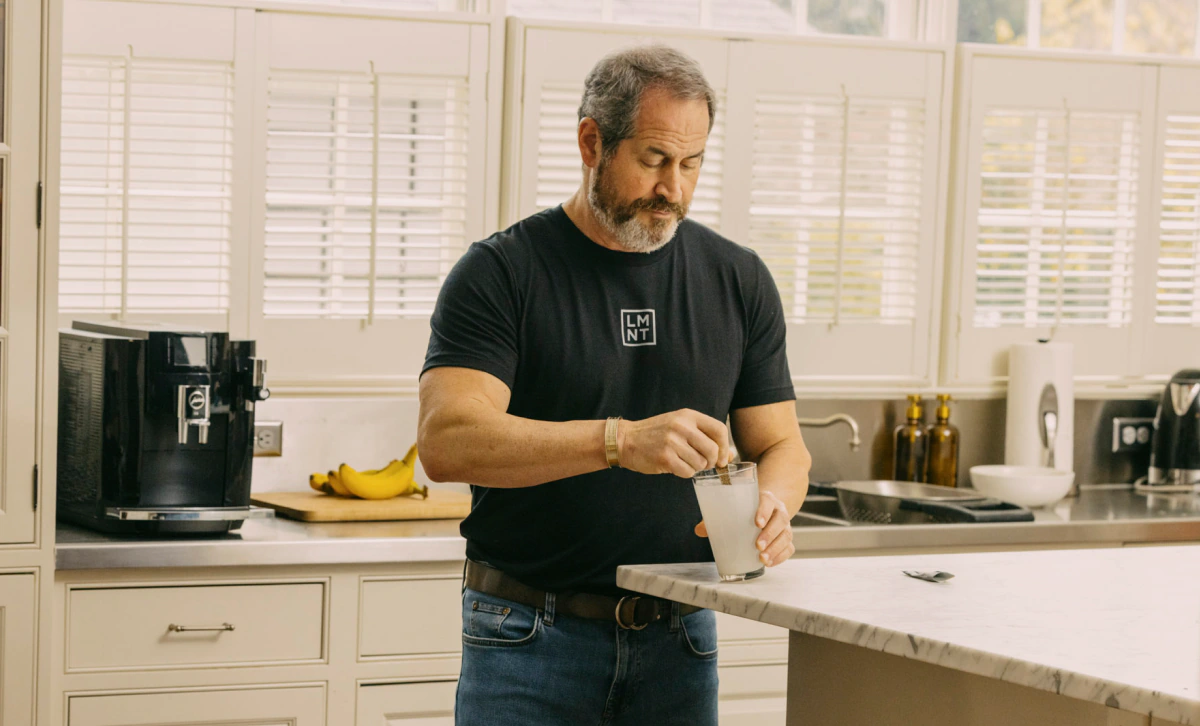
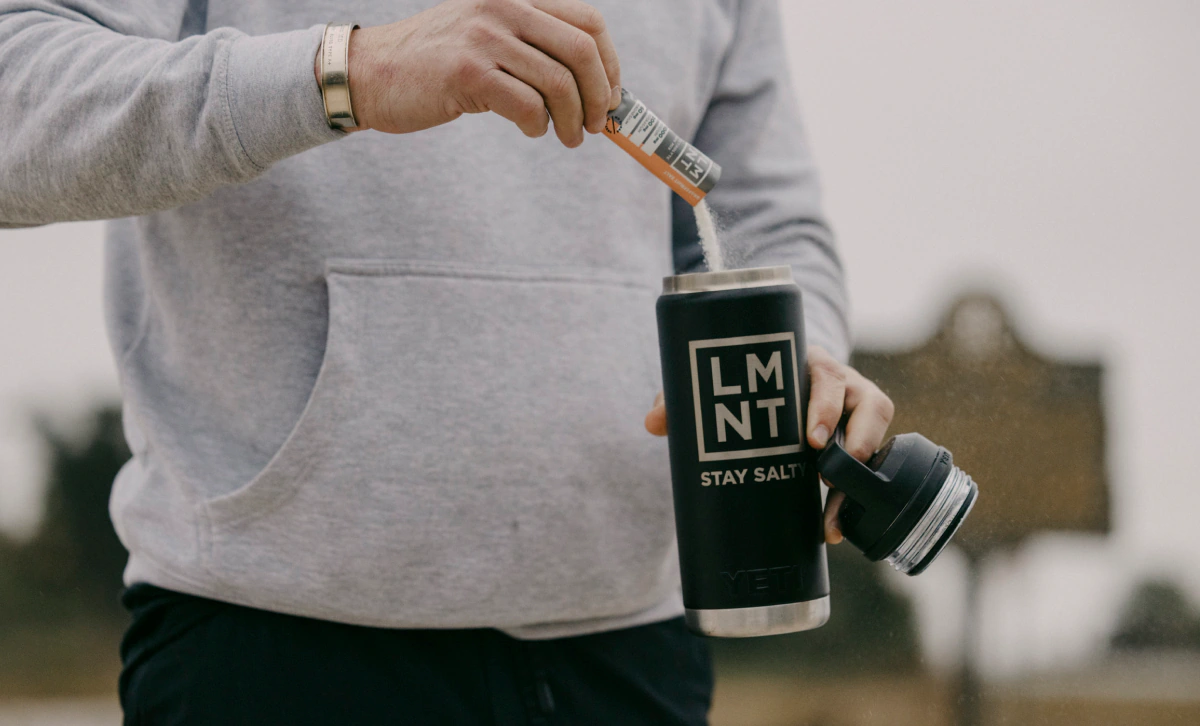
That's why I drink LMNT as my electrolyte replacement.
LMNT uses a science-backed electrolyte ratio of sodium, potassium, and magnesium.
LMNT tastes great and helps me replenish my electrolytes after a hard workout or a sauna session. I mix one LMNT packet (usually Grapefruit Salt, my favorite flavor) into a 32-oz water bottle to stay hydrated throughout the day.
If you are active, sweat often, and want to try LMNT for yourself, click here to receive a FREE sample pack of all 8 flavors with any purchase, plus a No-Questions-Asked Refund Policy.
Only the best,
Jeremy London, MD
P.S. Don't forget to follow my podcast for free on Spotify or Apple Podcasts



.jpg)




.jpg)
.jpg)