

"Walking is man's best medicine." - Hippocrates
Frequently, I am asked:For those unsure where to begin, what is the one health habit you would suggest?
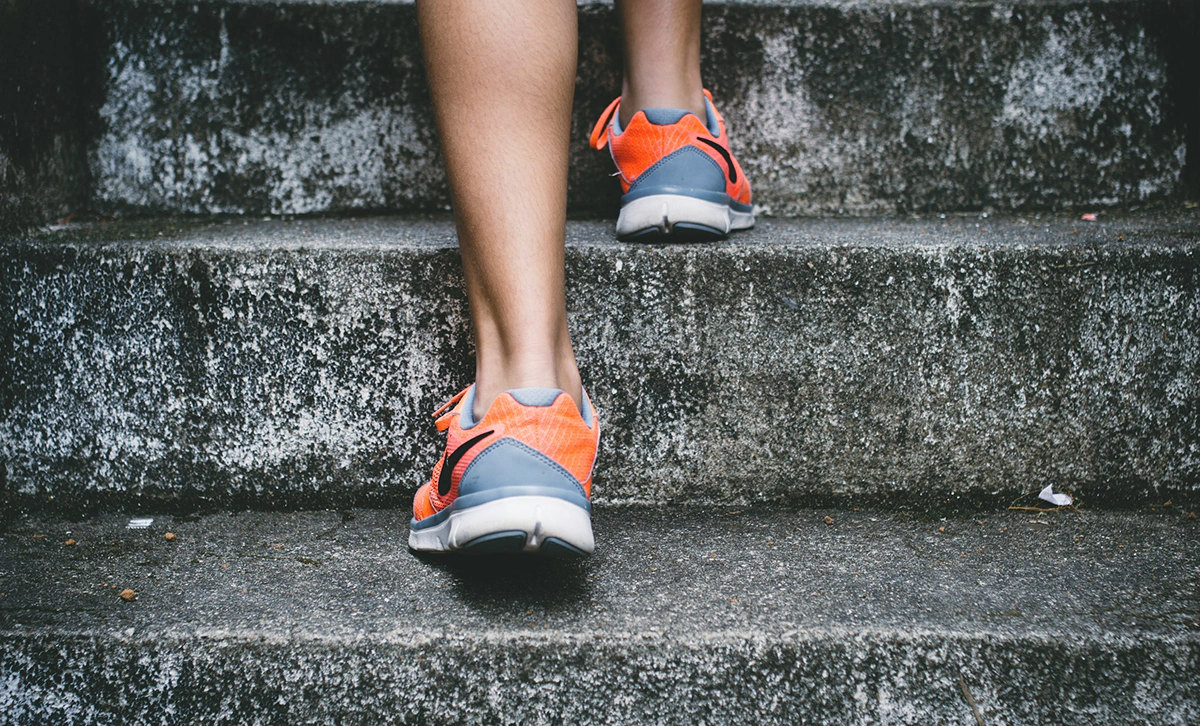
In almost all cases, the answer would be: walking.
It costs essentially nothing, requires no prescription, and offers enormous upside.
Modern convenience has engineered movement out of our daily routines:
- Working from home or a desk job
- Food delivery services
- Online shopping
- Streaming and mobile entertainment
Don't let convenience discourage you from walking.
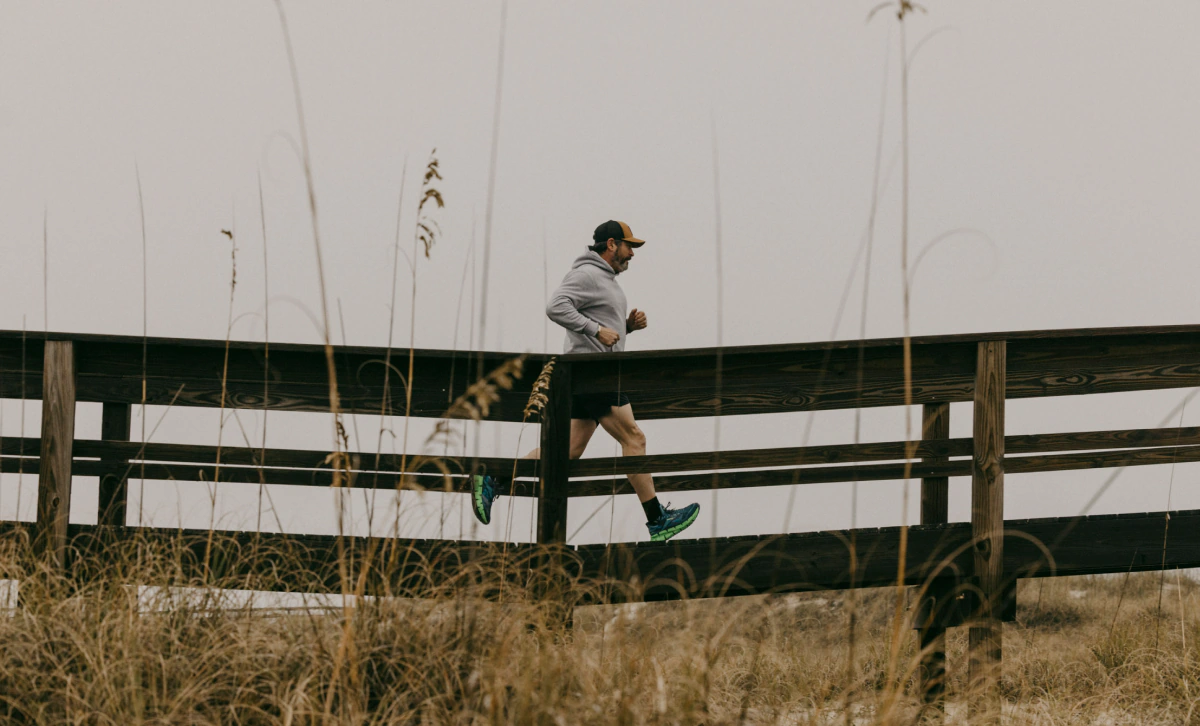
In today's newsletter, we will unpack the powerful physical, mental, and social benefits of walking outside.
The 10,000 Steps Per Day Myth
10,000 steps a day.
This benchmark has been drilled into our heads. The magic number where all the benefits lie. You either hit it or you fail.
Not the case.
The truth is, it was really good marketing from a 1960s Japanese campaign for a pedometer called Manpo-kei (meaning "10,000 steps meter").
Now, I'm not discouraging you from going out and hitting 10,000 steps tomorrow, but I'm telling you that the benefits start the moment you walk out the door.
Here's What The Data Shows
People who walk more live longer, on average.
The benefits of walking start at a remarkably low dose.
In a 2023 meta-analysis of nearly 227,000 people, the risk of dying from any cause began dropping at fewer than 4,000 steps a day. The protective effect against cardiovascular death appeared even earlier, at around 2,300 steps.
From there, every additional 1,000 steps per day was associated with roughly a 15% lower risk of all-cause mortality. Every additional 500 steps was tied to about a 7% lower risk of cardiovascular death.
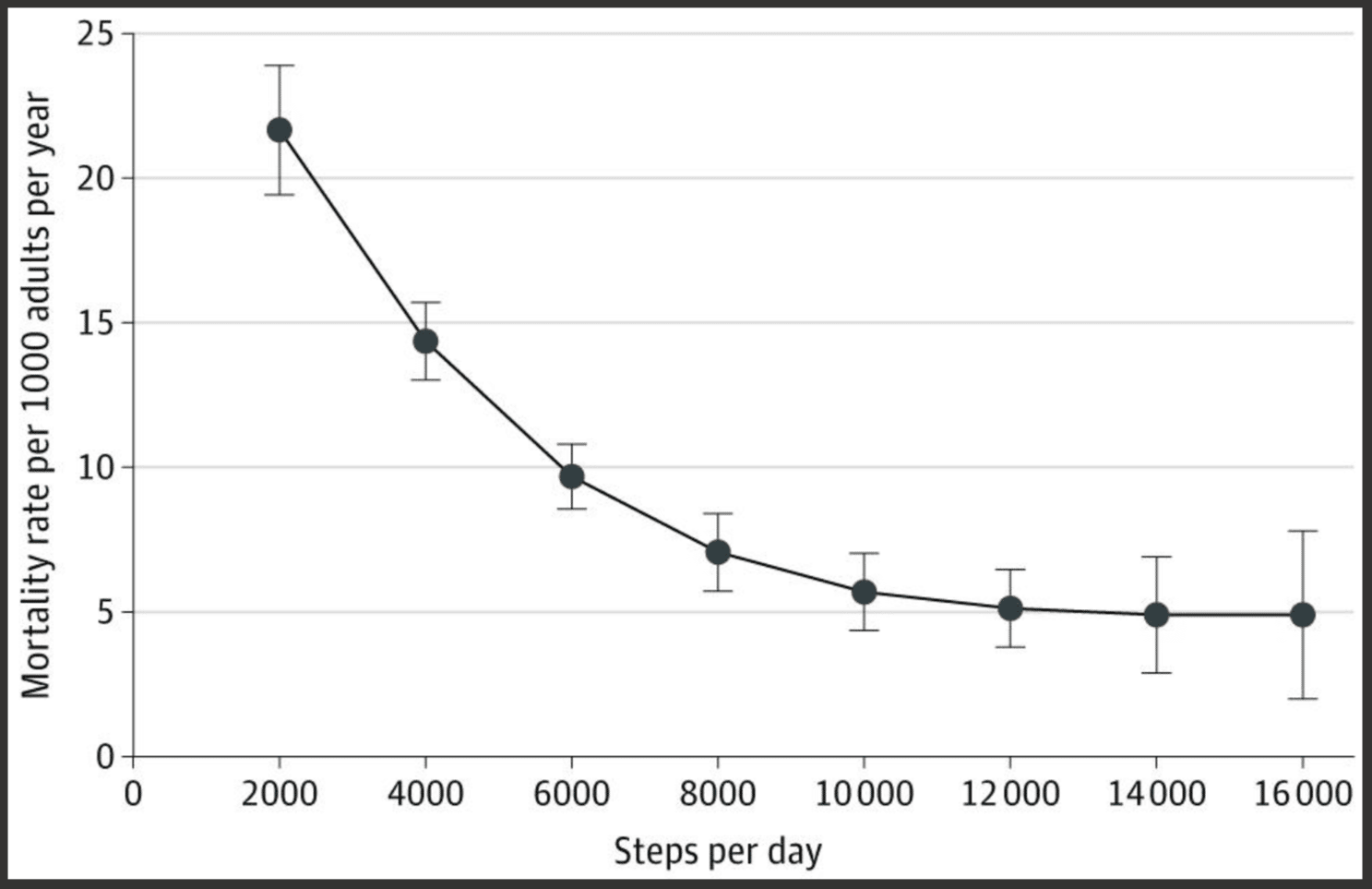
The maximum effective dose starts to cap out around 8,000-12,000 steps per day.
Optimal Dose: On an ideal day, hitting 8,000+ steps makes sense, but don't underestimate the power of a 10-20-minute walk.
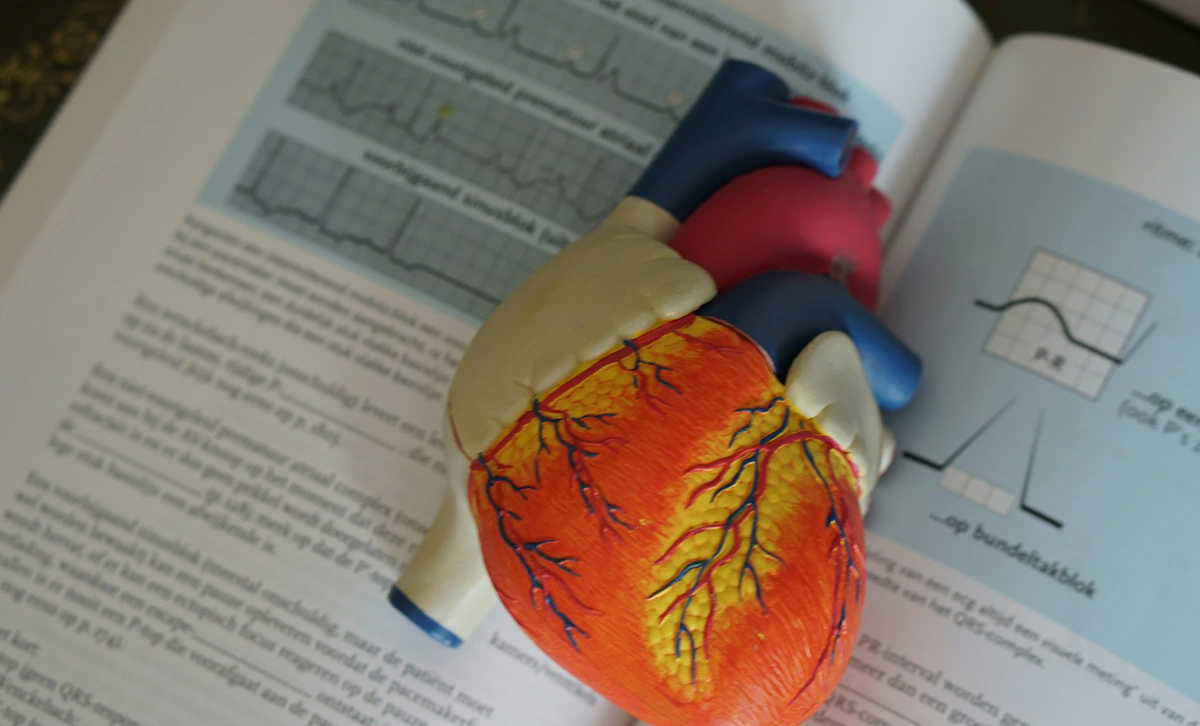
Walking is cardioprotective.
A meta-analysis of 32 randomized controlled trials involving previously sedentary participants, each lasting more than 4 weeks of walking protocols.
These studies included at least one group that engaged solely in walking and a comparator group that did not exercise, and found:
- Blood pressure: Systolic BP reduced by ~3.6 mmHg and diastolic BP by ~1.5 mmHg
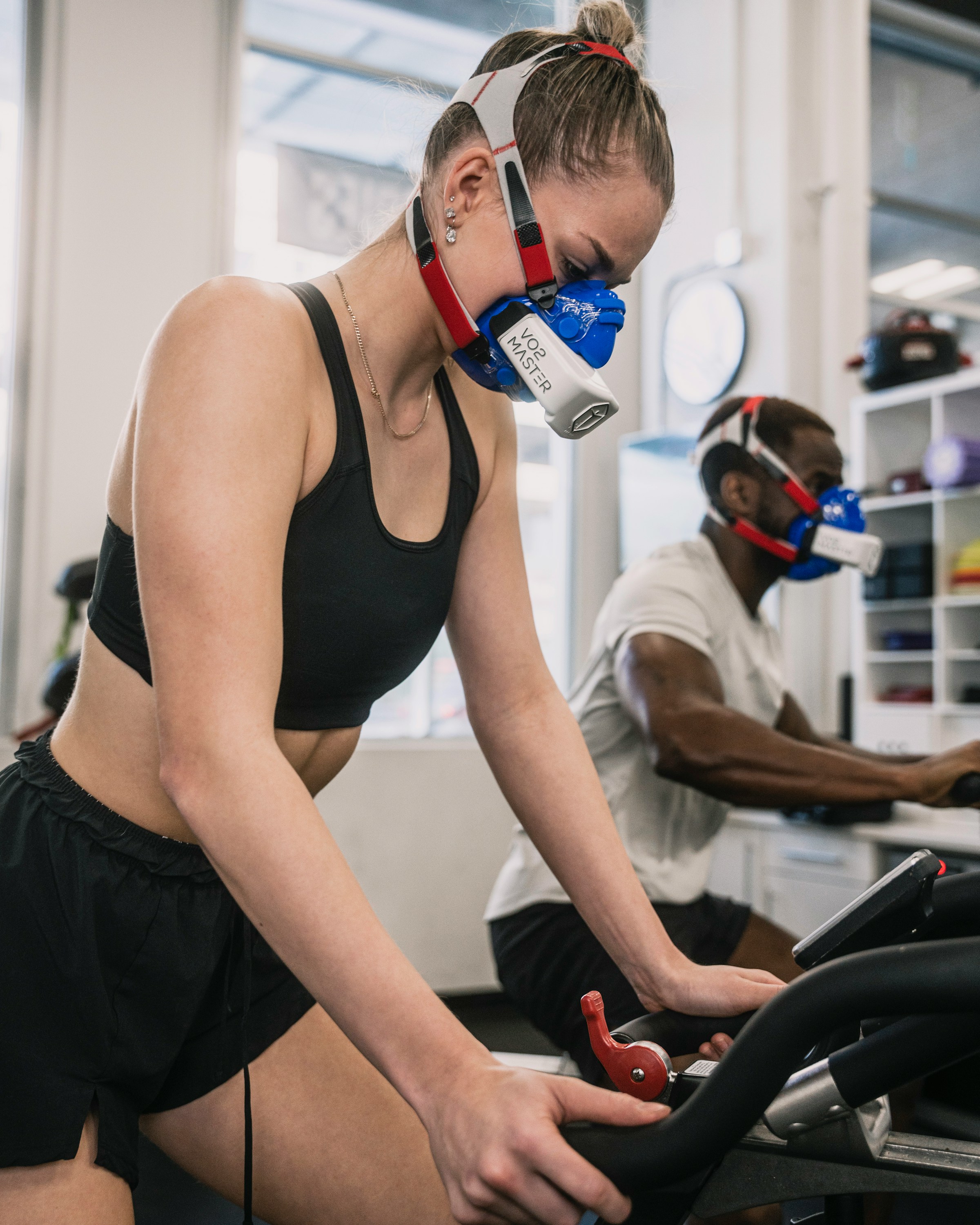
- Aerobic capacity: VO₂max increased by ~3 mL/kg/min
- Body composition: Reductions in weight (~1.4 kg), BMI (~0.5 kg/m²), body fat percentage (~1.2%), and waist circumference (~1.5 cm)
On the metabolic front, walking enhances insulin sensitivity, with the clearest effects on blood sugar from post-meal walks and from regular walking in people with type 2 diabetes, where it meaningfully lowers HbA1c.
If a pharmaceutical company could bottle the effects of a daily walk, it would be the best-selling drug in history.
Walking Supports Mental Health
Not only will walking improve physical health, but it can also transform your mental health and overall well-being.
A walk is the perfect way to:
Get outside and get natural sunlight.Mull over ideas and problems.Call a friend on a lunch break.Spend time with someone.Decompress.
The American College of Sports Medicine position notes that exercise, including walking, helps prevent and improve mild-to-moderate depressive disorders and anxiety, enhances feelings of energy and well-being, improves quality of life, and supports cognitive function with a lower risk of cognitive decline and dementia.
Very few things rival a walk when it comes to clearing your mind.
Movement increases blood flow to the brain and supports the very connections we lose as we age.
A walk is therapy in motion.
The Bottom Line: Walk.
Every walk leaves me feeling better than when I started.
The takeaway is not to focus on a magic step count.
The goal is to build the health habit of adding walks to your daily routine.
It can improve your health and fitness, relationships, mental health, and job performance.
So, after you finish reading this, do yourself a favor today.
Go for a walk.
Stay Hydrated. Replace What You Lose.
Hydration isn’t just about drinking more water — it’s about replacing what you lose.
When you sweat (from workouts, sauna sessions, or just daily life activities), you’re not just losing water — you’re losing electrolytes like sodium, potassium, and magnesium.
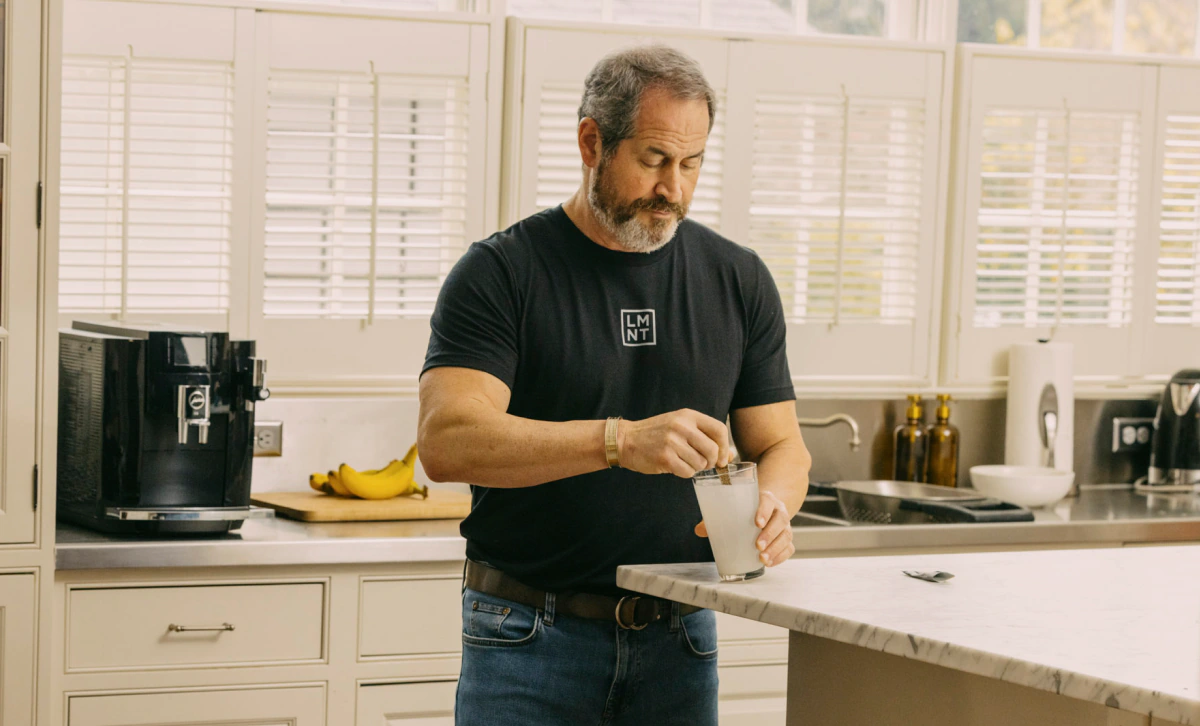
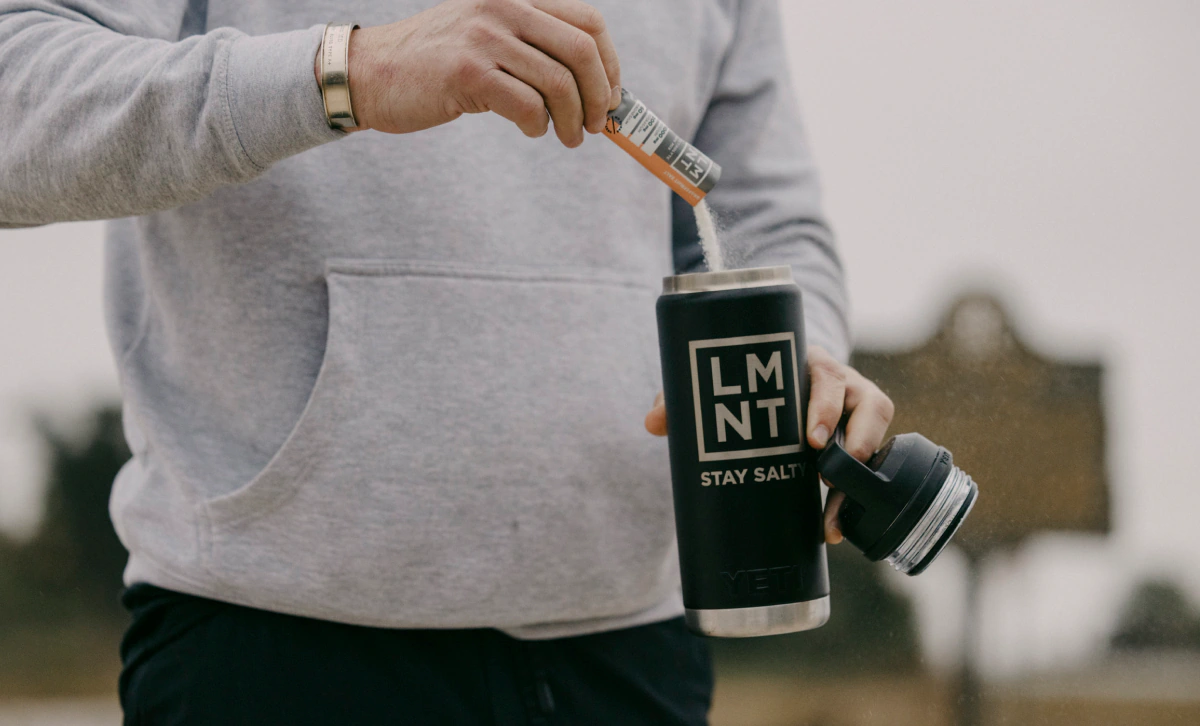
That's why I drink LMNT as my electrolyte replacement.
LMNT uses a science-backed electrolyte ratio of sodium, potassium, and magnesium.
LMNT tastes great and helps me replenish my electrolytes after a hard workout or a sauna session. I mix one LMNT packet (usually Grapefruit Salt, my favorite flavor) into a 32-oz water bottle to stay hydrated throughout the day.
If you are active, sweat often, and want to try LMNT for yourself, click here to receive a FREE sample pack of all 8 flavors with any purchase, plus a No-Questions-Asked Refund Policy.
Only the best,
Jeremy London, MD
P.S. Don't forget to follow my podcast for free on Spotify or Apple Podcasts
Related Articles


.jpg)





.jpg)
.jpg)















































Subscribe for Free to Keep Reading
This content is free, but you must be subscribed to keep reading.