The last newsletter edition focused on men's health and the common pitfalls we ignore as we age (if you missed it, click here to read it).
Today, I want to focus on menopause, which has been sidelined far too long.
Symptoms were dismissed. Risks went unmeasured. An entire stage of life received almost no attention.
That's finally changing.
In today's newsletter, I want to reframe how you think about this transition: what's actually happening in your body, why the years around it matter so much, and what you can do to prepare.
Menopause Is a Transition. Not a Disease.
For women in the US, the average age of menopause is around 51.
Most people refer to menopause, but what they really experience is perimenopause, the transitional phase before menopause, which can last from several years up to a decade.
During that window, estrogen declines.
Since estrogen receptors are present in almost all tissues, including the brain, blood vessels, bone, muscle, and fat, the decline impacts nearly every part of the body.
Menopause is a normal, anticipated biological process.
But "normal" doesn't mean without consequences.
The reduction in estrogen alters women's risk profile.
The Choices You Make Decades in Advance Shape Your Trajectory
Here's something I wish all women knew:
The decisions you make in your 20s, 30s, and 40s help shape your trajectory as you approach menopause.
The muscle you built or didn't build, the metabolic health you maintained or let slip, the blood pressure numbers you kept in or out of range, that's the foundation you stand on.
You can't control when menopause arrives. But the choices you make before and during the transition can meaningfully blunt the risks and symptoms.
It's never too early to build the foundation. And it's never too late to start.
What Estrogen Was Quietly Protecting All Along
To understand the transition, you have to appreciate the role estrogen plays.
It's not just a reproductive hormone. It's a protective one.
- The heart and blood vessels. Estrogen helps keep arteries flexible and the endothelium, the inner lining of your blood vessels, healthy.
- It supports favorable lipid handling by upregulating LDL receptor activity in the liver, thereby helping clear LDL from the blood.
- Metabolic health. Estrogen steers fat toward the hips and thighs and away from the abdomen. After menopause, fat redistributes toward the visceral compartment — the metabolically active fat found around your organs. That visceral fat drives insulin resistance, inflammation, and an adverse lipid profile.
- The brain. Estrogen is active throughout the brain, in regions tied to memory, mood, and temperature regulation. The brain fog, mood shifts, sleep disruption, and hot flashes of this transition are not "in your head". The hot flash itself starts in the brain — in the hypothalamus, your internal thermostat — not in the body.
When estrogen drops, all of these organ systems shift at once.
Know Your Numbers: The Biomarkers to Watch
You can't manage what you don't measure.
The menopausal transition changes several biomarkers, often independently of aging.
Here's what you should keep an eye on through the transition:
- ApoB and/or LDL-C. ApoB tends to climb across the transition, and these changes appear independent of aging alone. ApoB is the most direct measure of atherogenic particle burden.
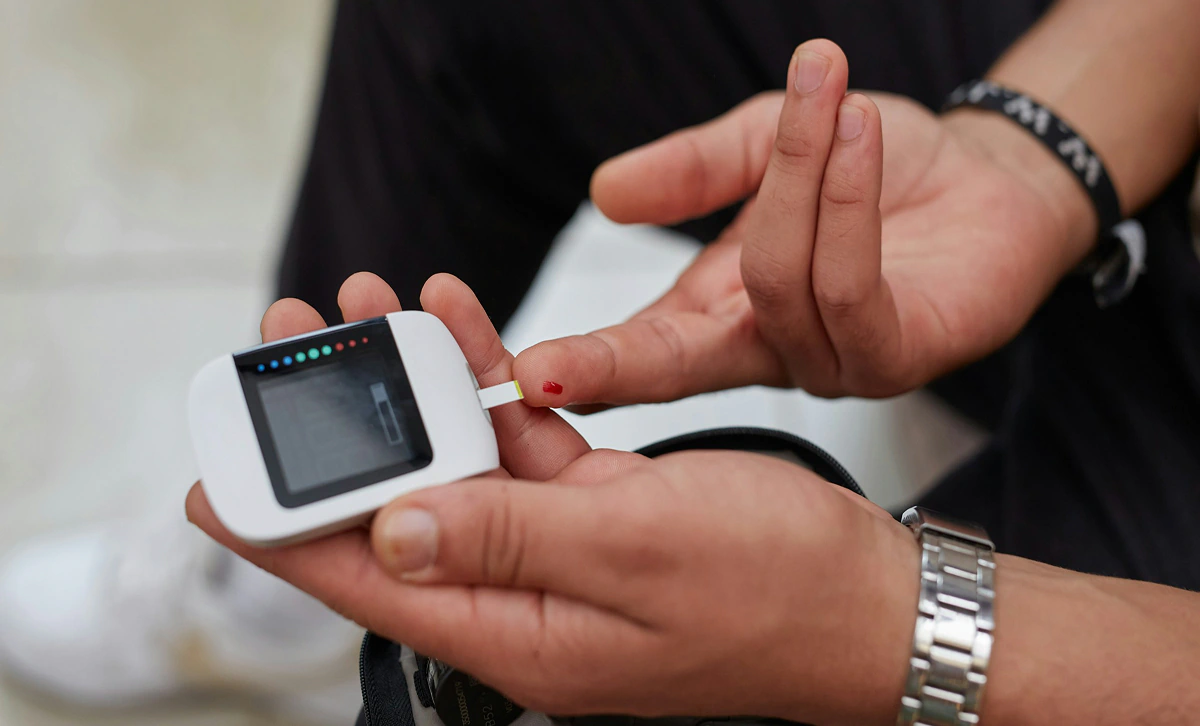
- Fasting insulin, glucose, and HbA1c. Rising visceral fat drives insulin resistance. These markers catch it early — often years before blood sugar becomes a problem.
- Triglycerides. A useful window into metabolic health and visceral fat.
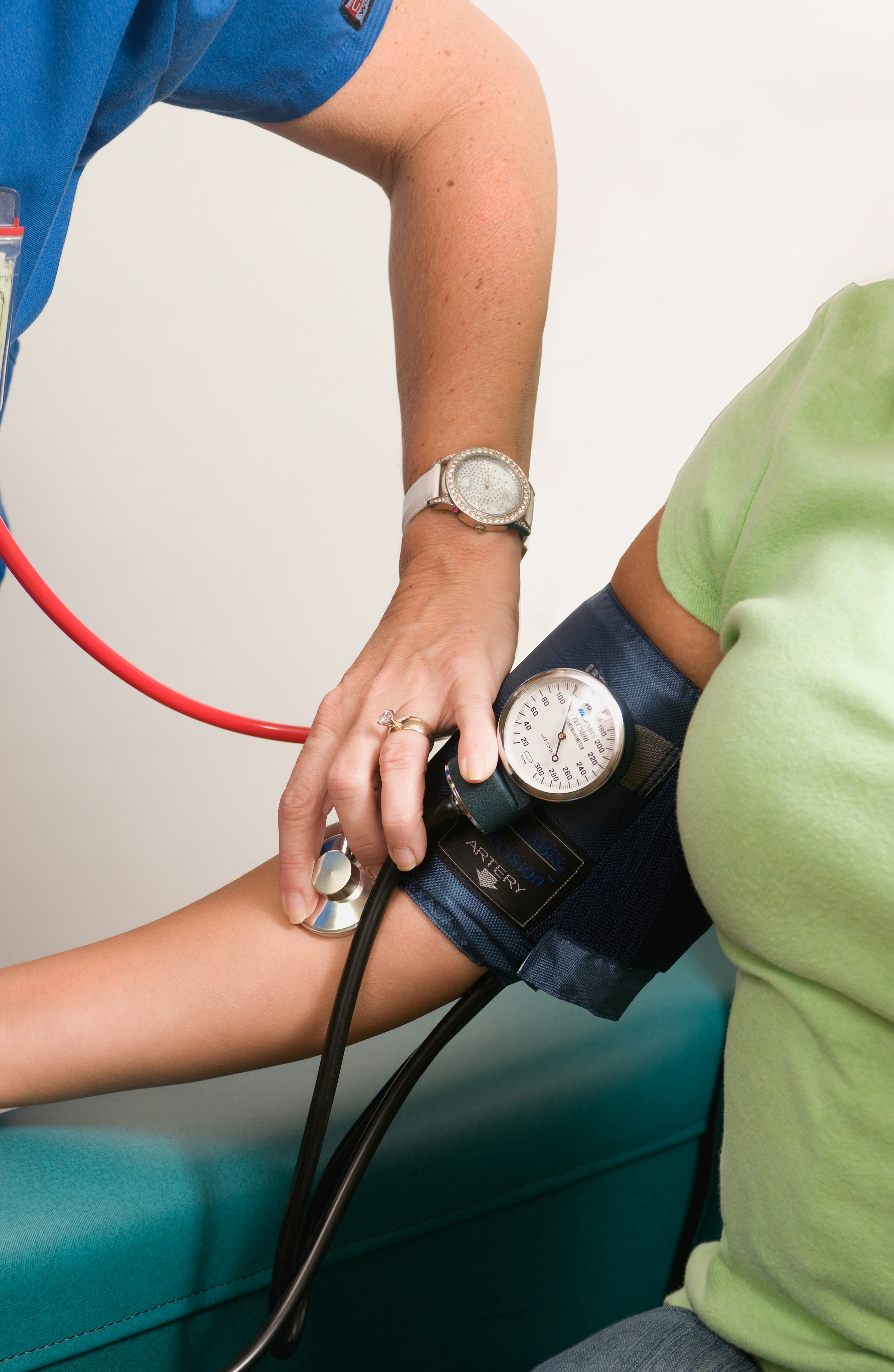
- Blood pressure. It often creeps up during this window. It's cheap to track and one of the most modifiable risk factors.
- Waist-to-height ratio. A simple proxy for the visceral fat redistribution that comes with declining estrogen.
- hs-CRP. A marker of low-grade inflammation, which tends to rise as visceral fat accumulates.
- Lp(a) -this inherited risk factor for heart disease may change with menopause, but if you've never had it measured, the transition is a great time to do so. (We covered Lp(a) in depth here.)
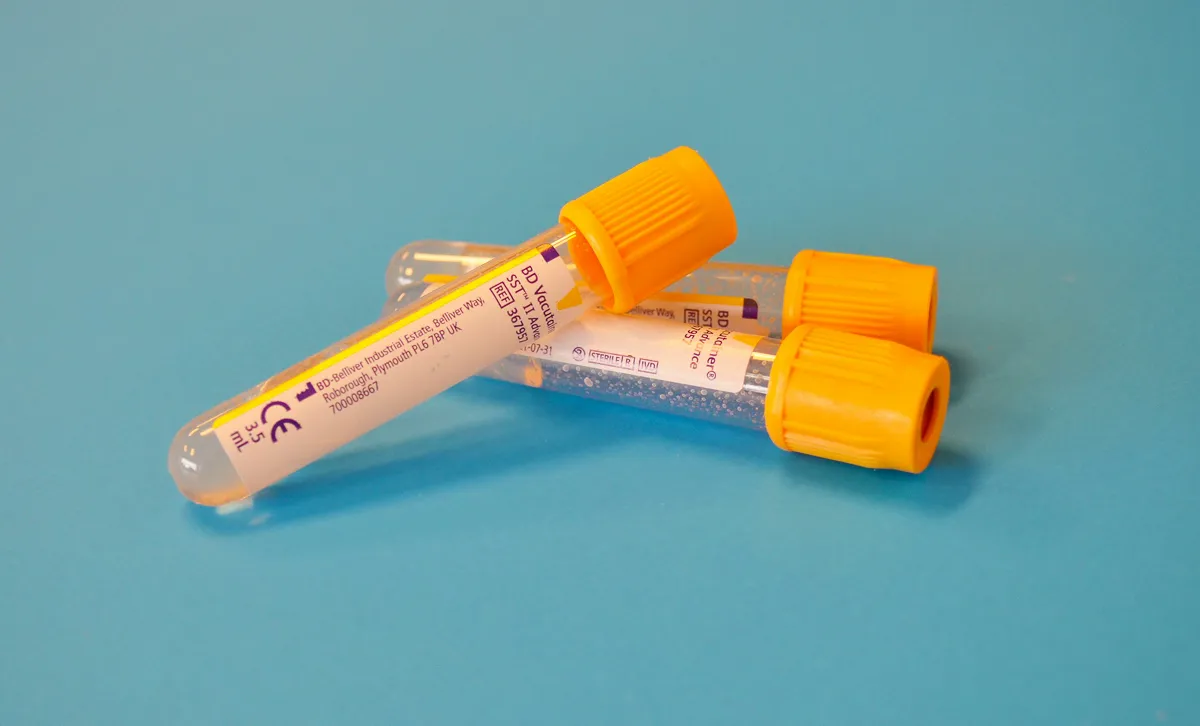
A standard annual physical rarely captures most of these. You often have to ask for them or seek them out yourself.
Function is exactly what my wife used to understand her biomarkers.
The Therapies That Actually Make a Difference
For two decades, fear surrounding hormone therapy left countless women suffering needlessly. A great deal of that fear was based on an incomplete reading of a single 2002 study.
The science has advanced significantly. Here's the current state of it.
Menopausal hormone therapy (MHT). It remains the most effective treatment we have for moderate-to-severe hot flashes, night sweats, and genitourinary symptoms, and it supports bone density.
The ELITE trial, designed specifically to test this, found that starting estradiol early, within about 6 years of menopause, slowed the progression of atherosclerosis, whereas starting it 10+ years after menopause showed no such benefit.
This represents the "window of opportunity": data consistently indicate a more advantageous benefit-to-risk ratio when therapy begins in women under 60 and/or within 10 years after menopause.
Reflecting this updated understanding, the FDA corrected the boxed warning from many menopausal hormone therapy products in 2025 after reevaluating the original data.
More than ever before, you have real, evidence-based options.
The appropriate choice varies based on your symptoms, risk profile, and objectives. It's a discussion to have with a knowledgeable healthcare provider.
Menopause Is Inevitable. Suffering Is Not.
If there's one thing I want you to take from this:
Menopause is inevitable, but suffering doesn't have to be.
Too many women are still told their symptoms are just part of the transition, that nothing can be done, and that they should manage quietly. That advice is decades out of date.
You have data you can measure. You have lifestyle levers that work. You have effective, evidence-based therapies — hormonal and non-hormonal.
What you most need is to be your own advocate.
Ask for the labs. Push past dismissal.
Find a clinician who takes this stage of life as seriously as you do.
Menopause is inevitable, but it doesn't have to define you.
Knowing Your ApoB Levels
Apolipoprotein B (ApoB) is not included in a standard lipid panel and is rarely included on routine annual labs.
That's starting to change. The new 2026 ACC/AHA cholesterol guidelines now recommend ApoB testing to sharpen cardiovascular risk assessment — because ApoB directly quantifies the number of atherogenic lipoproteins, providing a more accurate measure of atherogenic particle burden than LDL-C.
Essentially, ApoB counts the actual number of artery-clogging particles in your blood, which can be a more accurate measure of risk than LDL-C alone.
Function Health is an all-in-one health platform that starts with 160+ lab tests, covering your heart, hormones, liver, kidneys, thyroid, immune system, cancer signals, toxins, and key nutrients.
That’s about 5× more testing than standard primary care labs—bloodwork that would normally cost thousands of dollars out of pocket.
Scheduling is simple, with 2,000+ lab locations across the U.S., and most visits take around 15 minutes.
If you are interested in knowing your ApoB level, see if Function is a good fit for you.
Click here to sign up for Function Health for less than $1/day
Only the best,
Jeremy London, MD
P.S. Don't forget to follow my podcast for free on Spotify or Apple Podcasts



.jpg)





.jpg)
.jpg)