This newsletter is clearly directed at men. But it's also for the women who love them.
To the moms, daughters, sisters, and friends, thank you because you are often the reason a man ends up in front of a doctor at all.
Even as a physician, I can confidently admit that my wife keeps me and my health in line.
I’ll be the first to admit it: men are notorious for ignoring their health.
We minimize. We wait. We tell ourselves it’s nothing, it’ll pass, we don’t have time to deal with it now.
I’ve spent my career in the operating room watching the consequences of this mindset.
So, if you keep a man in your life honest, you are doing more for him than you realize. Please, keep doing it.
Now let’s get into it.
The Foundation For Everyone
No supplement, no medication, no fancy test matters if the basics are not in place. This is common ground we all stand on.
Sleep. Seven to nine hours, consistently. Sleep is when your body recovers. This is the time for your heart to rest, your body to regulate your hormones, and your brain to clear its metabolic waste. Chronically poor sleep raises blood pressure, blood sugar, and the stress hormones that quietly age you.
Nutrition. You don’t need a perfect diet. You need a plan that focuses on whole foods, including protein, fiber, and plants, with fewer ultra-processed foods.
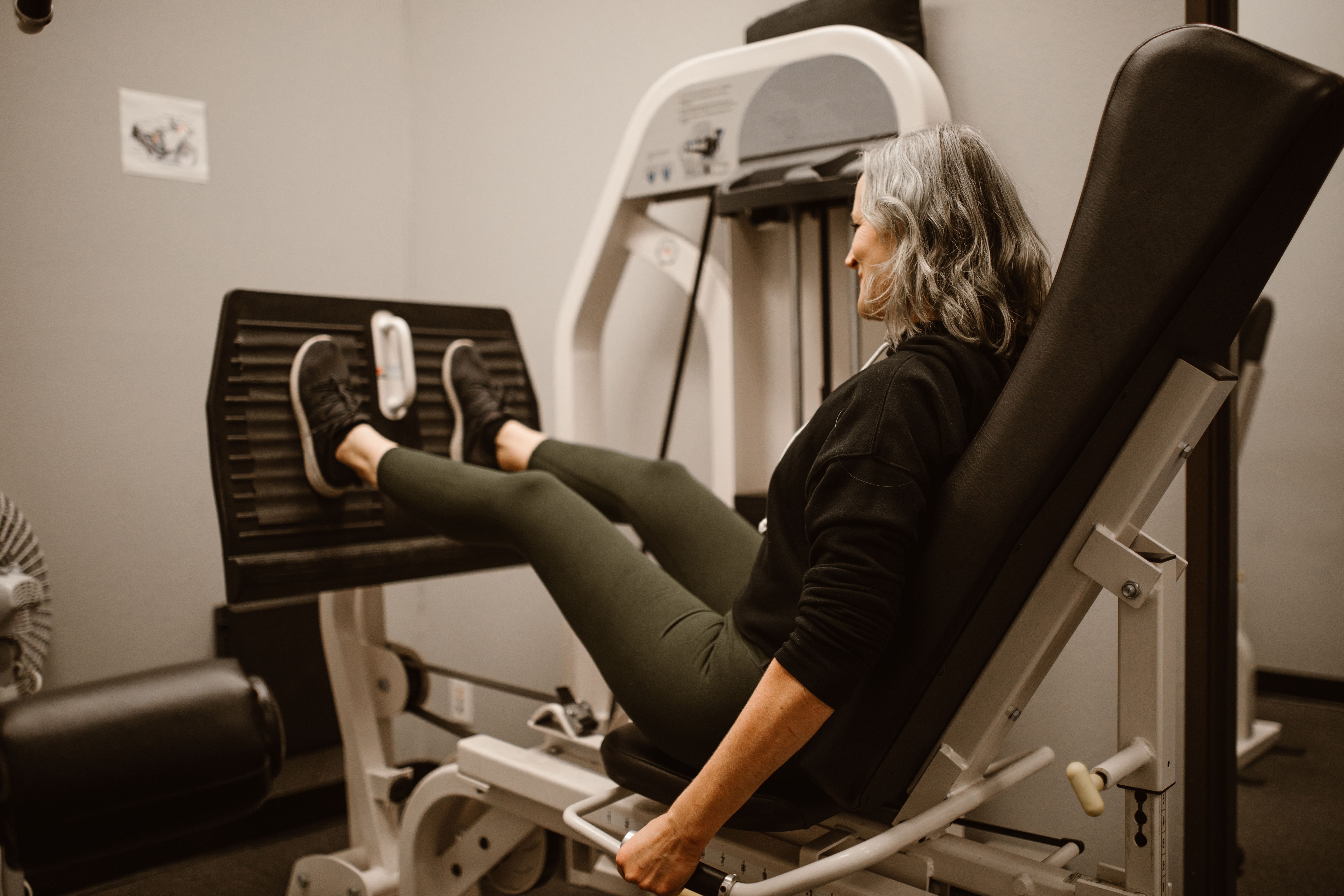
Movement. Both kinds. Consistent cardiovascular exercise and resistance training. Muscle isn’t vanity — it’s your metabolic insurance policy and, as you age, it’s what keeps you independent.
Stress and connection. Chronic stress and isolation are not “soft” issues. They drive inflammation, blood pressure, and disease, just as a poor diet does.
Get these right, and you’ve done most of the work. Now, men, this next part is specifically for us.
What Men Ignore About Their Health With Age
1. The risk for heart disease starts earlier for men
Here’s something most men don’t know. Before menopause, women have a built-in advantage: estrogen is cardioprotective.
It helps keep their blood vessels flexible and their cholesterol profile favorable. We don’t have that. Which is exactly why heart disease tends to show up earlier in men.
You cannot feel your arteries narrowing. Often, there are no symptoms until there’s a problem, and sometimes the first symptom is devastating. So don’t wait to feel it. Know your risk profile.
At a minimum, know these three numbers:
- A standard lipid panel — your baseline cholesterol picture.
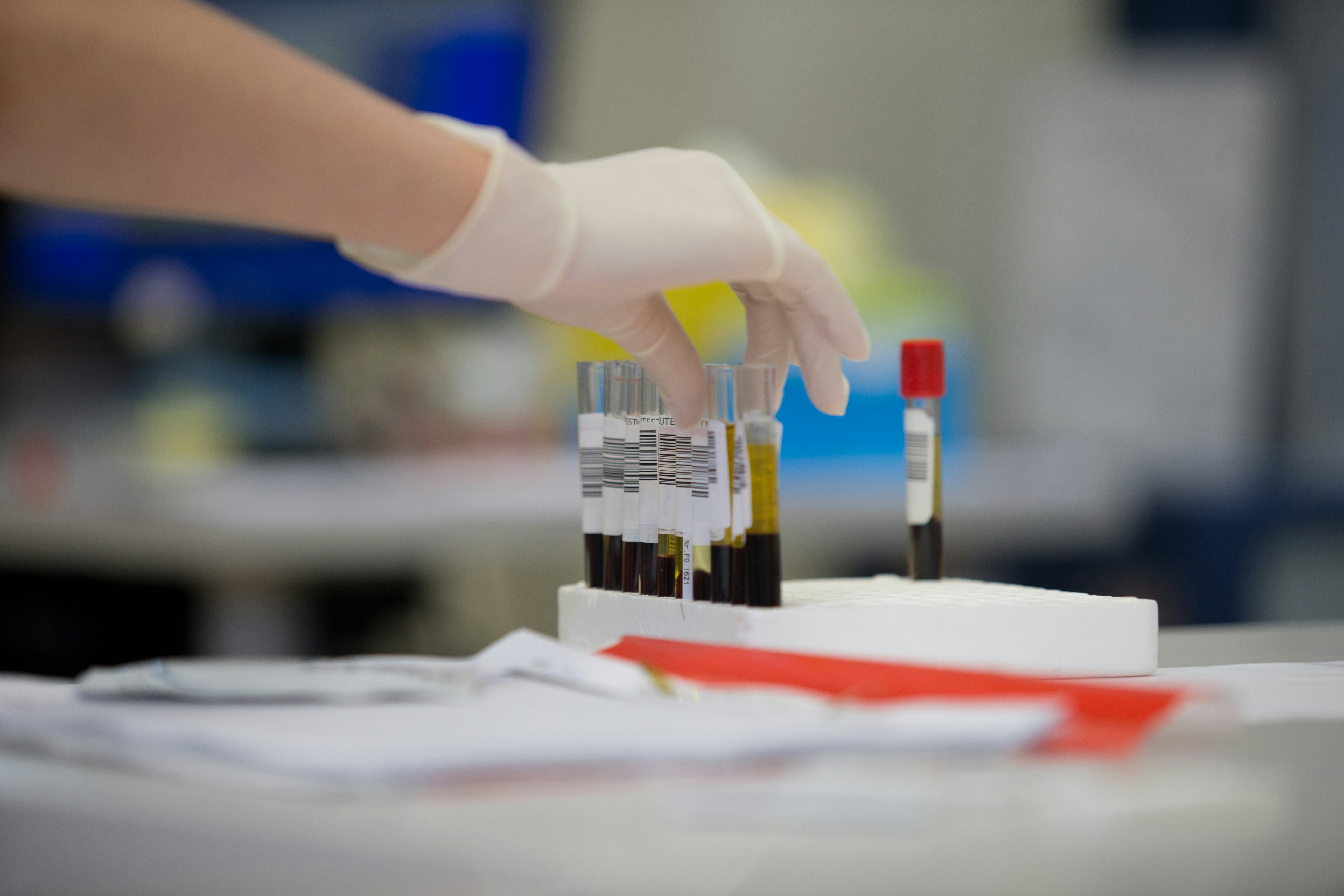
- ApoB — a far better measure of your true risk than LDL alone, because it counts the actual number of artery-damaging particles in your blood.
- Lp(a) — a genetic marker, a largely inherited risk factor you check once in your life. Roughly one in five people have a high level and don't know it. If yours is elevated, it changes how aggressively you and your doctor manage everything else.
Most have never had ApoB or Lp(a) drawn. You should. I test both with Function (a longtime sponsor of this newsletter) and check my ApoB, roughly every six months.
2. Erectile dysfunction is not just a bedroom problem
I need men to hear this one clearly, because embarrassment keeps too many of them silent.
Erectile dysfunction is very often the first warning sign of vascular disease, including heart disease.
The arteries that supply the penis are small. When the lining of your blood vessels starts to fail, those small arteries are affected before the larger ones in your heart. In many men, ED precedes a cardiac event by years.
So if this happens, the answer isn’t just a prescription. The answer is to ask the bigger question: what does this tell me about my arteries? ED can be your body’s check-engine light.
Don’t ignore the light; find out what’s under the hood. Get your heart evaluated.
3. Low testosterone — fix the foundation before you chase the hormone
Testosterone declines with age. That part is expected.
A gradual trend that begins in your 30s and 40s. But here’s what the “T-boosting” industry won’t tell you: for a large number of men, the more important driver of low testosterone isn’t age at all. It’s lifestyle.
The most common culprits are downstream of things you can change:
- Belly fat, which actively converts testosterone into estrogen
- Too little physical activity, especially strength training
- Low vitamin D
- Poor sleep, your body makes the majority of testosterone while you sleep
Before you reach for a testosterone booster off the shelf or jump straight to TRT, fix the foundation first.
Lose the visceral fat, lift weights, get your vitamin D checked, and protect your sleep. For many men, that is the treatment.
TRT is a legitimate medical therapy for genuine deficiency, but it’s a decision to make with a physician, after you’ve addressed the things you actually control.
4. The screenings that most men ignore
These are the tests that detect problems early, when we can actually do something about them. These tests may or may not apply to you, but it's important to know them.
Talk to your doctor about timing for your age and history:
- PSA — prostate cancer screening. A conversation to have with your doctor, typically starting in your 50s, earlier if you have a family history or are at higher risk.
- AAA (abdominal aortic aneurysm) — a one-time ultrasound recommended for men 65–75 who have ever smoked. It’s painless. A ruptured aneurysm carries a mortality rate of 80%.
- Colorectal cancer — screening now starts at 45. It’s one of the most preventable cancers we have, and the prep is far easier than the disease.
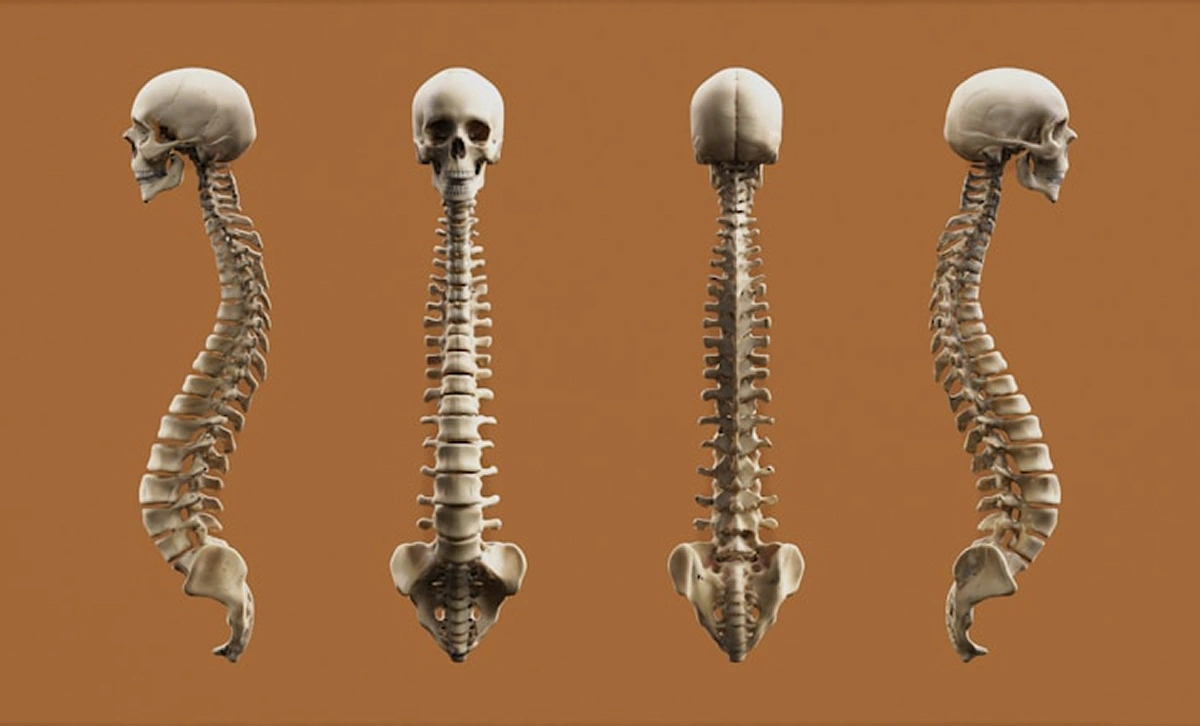
- Osteoporosis — yes, men get it too. We are badly underscreened for bone loss, and a hip fracture in an older man is far more dangerous than most people realize.
- Testicular awareness — this one is for young men. Testicular cancer is one of the most common solid organ cancers in men aged 15 to 35. Caught early, it’s highly curable.
5. Two silent killers
Sleep apnea. If you snore heavily, wake up gasping, feel exhausted no matter how long you slept, or your partner has watched you stop breathing at night, get evaluated. Untreated sleep apnea drives high blood pressure, atrial fibrillation, heart disease, and more.
It is common, usually fixable, and most men with it are unaware of it.
Male depression. This is especially important and not discussed enough.
Depression in men often doesn't present in a typical way.It doesn't always show up as sadness, tears, or talking about feelings.
In men, it frequently shows up as irritability, anger, withdrawal, working too much, drinking too much, recklessness, or losing interest in the things that used to excite them. Because it wears a different mask, it is often missed by the men themselves and those around them.
This matters more than any other line in this newsletter: men die by suicide at several times the rate of women.
A large part of that gap is silence. We’re taught to push through, to not be a burden, to handle it ourselves.
If you recognize this in yourself or you recognize these symptoms in someone you love, please understand that depression is a medical condition, not a character flaw, and it deserves attention.
Reaching out is not a weakness. It is one of the strongest actions a man can take.
Talk to your doctor. Talk to a therapist. Talk to someone you trust.
You Can't Help Others If You Won't Help Yourself
Men, I’ll leave you with something I wish I had heard at a younger age:
You spend your life trying to take care of everyone else: your kids, your partner, your parents, your team at work. But you can't help others if you are not willing to care for yourself.The most generous, most responsible thing you can do for the people who depend on you is to take care of yourself first.
Get the bloodwork. Book the screening. Say the hard thing out loud. Stop ignoring the signals your body is sending.
And to the women reading this — thank you for keeping us honest. Share this with the man in your life who needs it most.
He may be reluctant. But he may finally make that appointment, albeit begrudgingly.
Take care of yourself. The people who love you are counting on it.
Stay Hydrated. Replace What You Lose.
Hydration isn’t just about drinking more water — it’s about replacing what you lose.
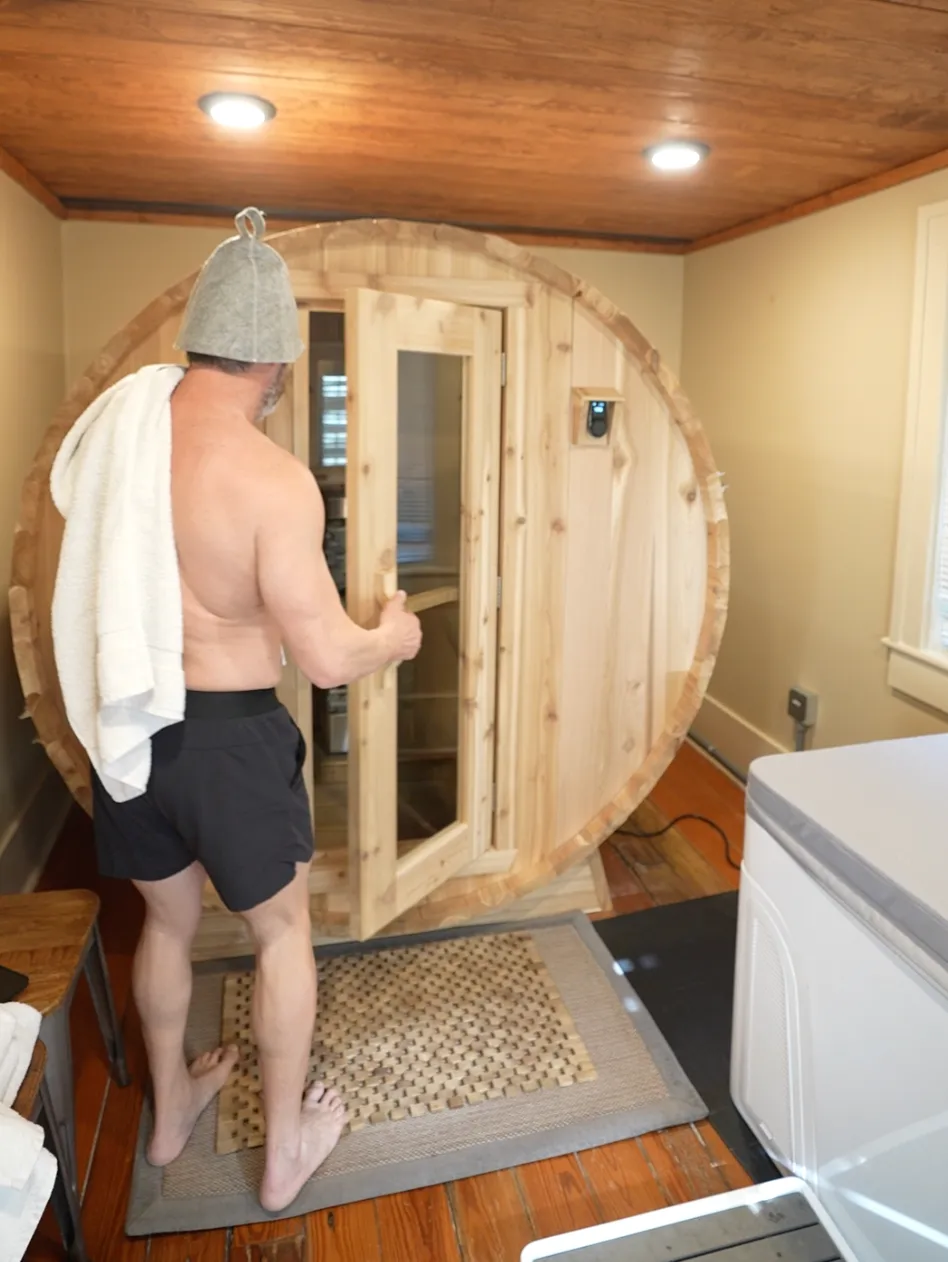
When you sweat (from workouts, sauna sessions, or just daily life activities), you’re not just losing water — you’re losing electrolytes like sodium, potassium, and magnesium.
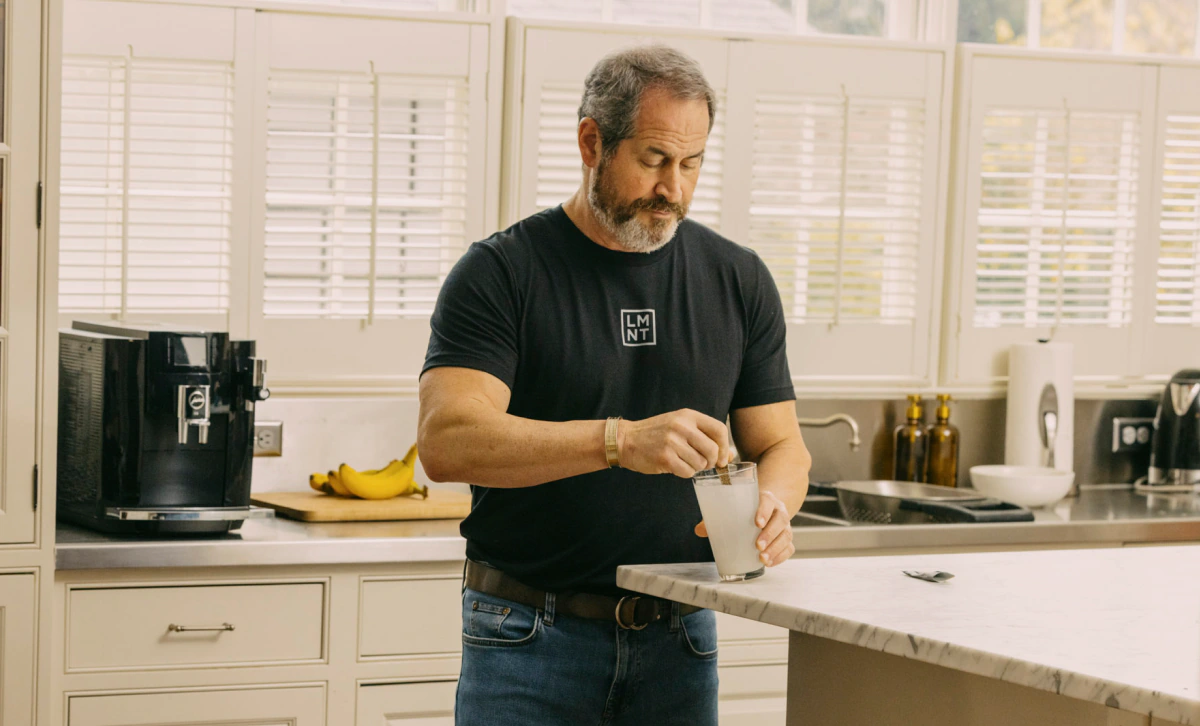
That's why I drink LMNT as my electrolyte replacement.
LMNT uses a science-backed electrolyte ratio of sodium, potassium, and magnesium.
Electrolytes are used by every cell in your body. Even minimal dehydration can limit cognitive and physical performance.
LMNT tastes great and helps me replenish my electrolytes after a hard workout or a sauna session. I mix one LMNT packet (usually Grapefruit Salt, my favorite flavor) into a 32-oz water bottle to stay hydrated throughout the day.
If you are active, sweat often, and want to try LMNT for yourself, click here to receive a FREE sample pack of all 8 flavors with any purchase, plus a No-Questions-Asked Refund Policy.
Only the best,
Jeremy London, MD
P.S. Don't forget to follow my podcast for free on Spotify or Apple Podcasts



.jpg)




.jpg)
.jpg)