

Disclaimer: Not Medical Advice. Opinions are my own.
Was this newsletter forwarded to you? Subscribe here
A primary goal of my platform is to simplify and communicate medical concepts so everyone can understand them.
It's important to me that you know about screening tests and scans long before you hear about them in a doctor's office.
Understand, I'm not suggesting which tests you need or don't. You and your physician can do that. This article is designed to make you aware of the available options.
In today's newsletter, we are going to explore four cardiovascular scans and screening tests that we have access to today that can determine your risk of heart disease.
Ankle Brachial Index (ABI)
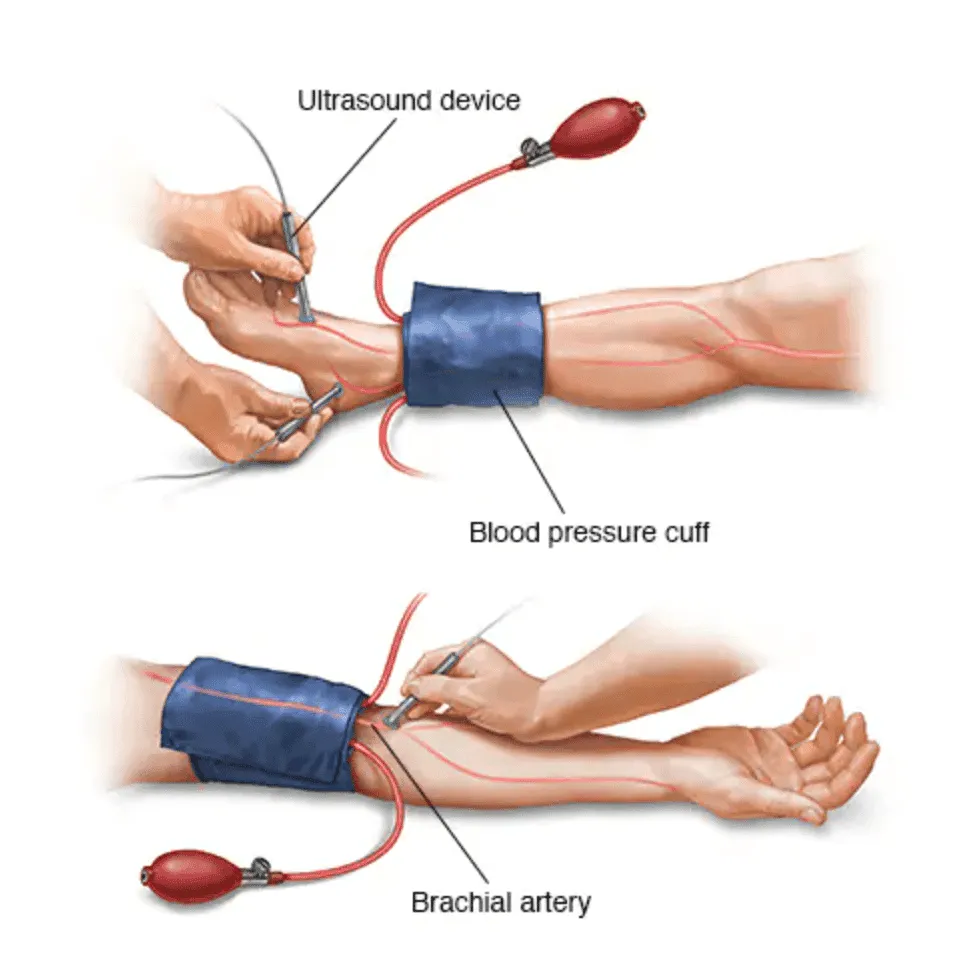
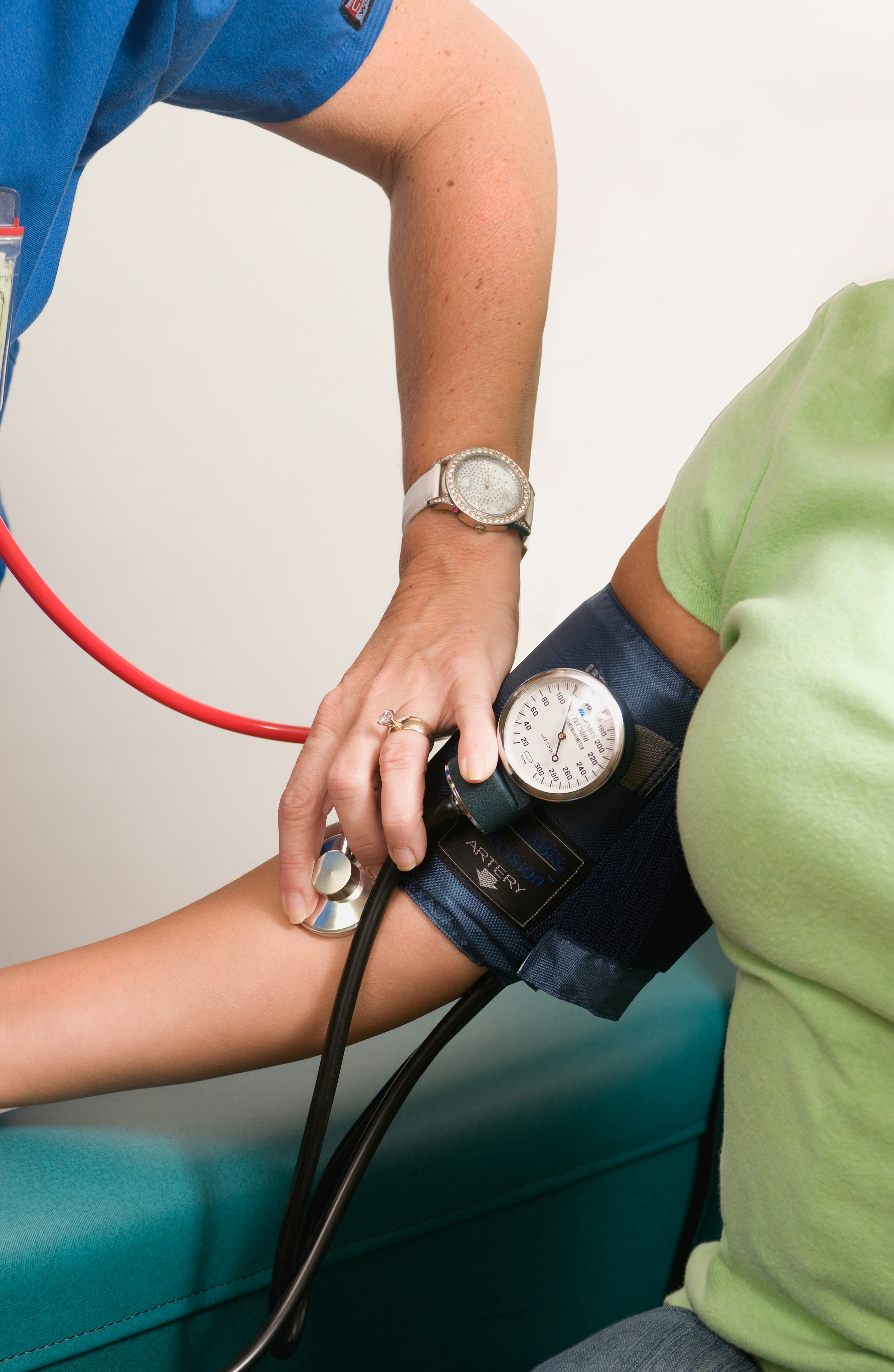
The Ankle Brachial Index (ABI) test measures the blood pressure in your ankle compared to the blood pressure in your arm.
Blood pressure cuffs are placed on both arms and ankles, and the test takes about 10-15 minutes to complete.
The goal is to assess how effectively blood flows through your limbs and to screen for peripheral artery disease (PAD).
When the pressure isn't equal across a particular area, it could suggest a potential blockage or narrowing that's hindering blood flow.
This may indicate blockages elsewhere.
Carotid Ultrasound
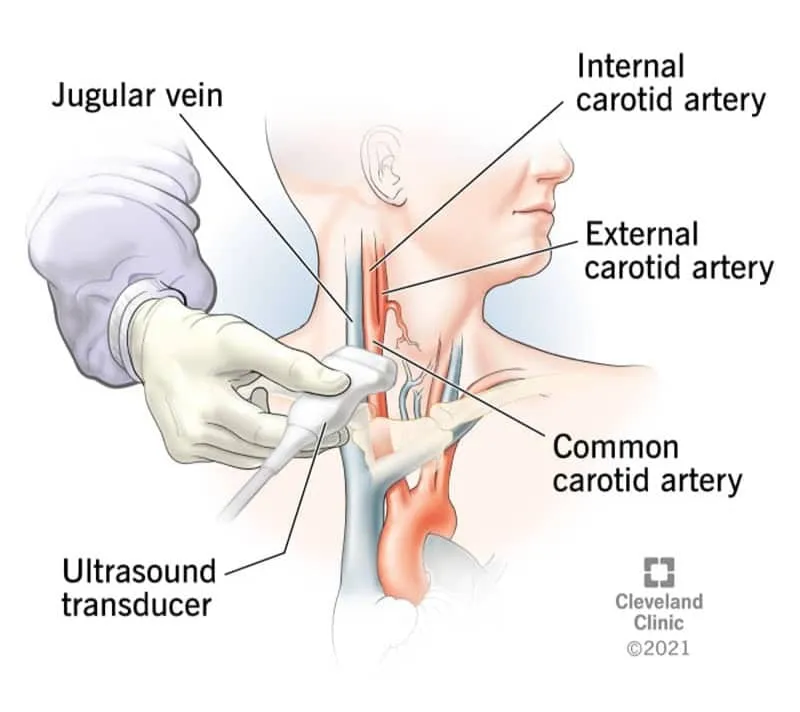
The Carotid Ultrasound is a screening test that looks at the carotid arteries in your neck, which are the major vessels that supply your brain with blood, nutrients, and oxygen.
This can help determine your stroke risk profile before symptoms arise.
The test is conducted by placing a small ultrasound probe, similar to a pregnancy ultrasound, on the neck.
What the test is looking for:
- Calcified plaque build-up
- Speed of blood flow
- How narrow the artery is (stenosis)
Calcification in the carotid artery can indicate that plaque is present elsewhere in the body.
Echocardiogram
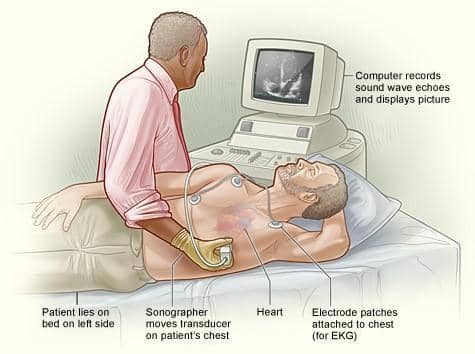
Similar to carotid ultrasonography, the echocardiogram is an ultrasound of the heart. This offers a safe and accurate picture of heart function and how well it beats.
One of the single most significant factors of heart health longevity is the strength of the heart. This can be measured by ejection fraction (EF).
The echo observes heart size, wall thickness, valve function, blood flow, and heart structure.
Ultrasound can help confirm adequate function or detect abnormalities before warning signs appear.
Cardiac CT Angiogram (CCTA)
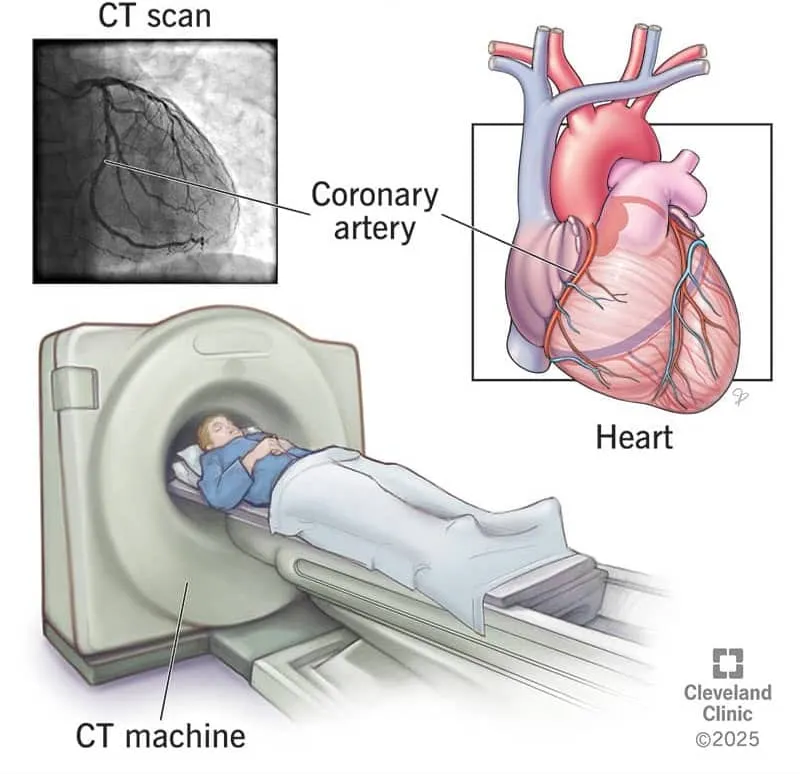
A Cardiac CT Angiogram (CCTA) is a high-resolution CT scan that images the coronary arteries, which supply the heart. Essentially, you are left with a 3D map of the heart's plumbing.
A CCTA can only be conducted with a physician referral and is typically reserved for patients with higher risk profiles, symptoms, or who want more insight into a calcium score.
This is not a screening test for everyone.
This image can detect calcified (hard) plaque and soft plaque. Surprisingly, the majority of heart attacks are caused by soft plaques rupturing.
CCTA doesn’t just tell you if you have coronary disease—it tells you where you are on the disease timeline, before symptoms force the issue.
My Final Thought on Screening Tests
Screening tests are exactly that: screening tests. Not absolutes.
Figuring out which tests, if any, should be done in collaboration with your qualified healthcare professional.
The goal is not more tests. The focus should be on the right tests based on your family history, age, risk factors, symptoms, and other factors.
Preventive screening tests have been revolutionary in detecting problems long before symptoms arise.
However, a normal result is not a lifetime clearance—and an abnormal result isn’t a diagnosis by itself.
What matters is how the information is used.
Ultimately, the test isn’t the intervention. You and your physician's response to it is.
I would argue that the value of any screening test lies not in the result, but in what you’re prepared to do with it.
What Makes Rho Different
Rho Nutrition because they bring something different to your fridge.
Rho offers third-party-tested liposomal delivery products. Why does this matter? Most pills and powders lose a significant amount of the active ingredient during digestion.
Rho encapsulates each nutrient (creatine, glutathione, NAD+, curcumin, collagen, etc.) within a tiny liposome that survives the gut and ferries the compound intact into the bloodstream.
Liposomal delivery helps ensure that the vitamins and supplements you purchase are getting absorbed and not lost during digestion.
My personal morning Rho stack is their liposomal creatine, glutathione, DIM+, and NAD+, and before bed, I take their liposomal magnesium.
The founders, Ryan and George, firmly believe you will feel the Rho difference, but if you're not satisfied, they offer a 60-day money-back guarantee.
Click here to save 20% and add Rho to your daily routine
Only the best,
Jeremy London, MD
P.S. Don't forget to follow my podcast for free on Spotify or Apple Podcast
Related Articles
.jpg)





.jpg)
.jpg)































































Subscribe for Free to Keep Reading
This content is free, but you must be subscribed to keep reading.