


For over a century, heart disease has been crowned as the number one killer worldwide, for both men and women.
To put this into perspective, even if you combined the deaths from the second, third, and fourth causes of death, they still wouldn't come close. It accounts for more than ~40% of all deaths.
Despite all of the improvements in medical management, medication, gene therapy, and minimally invasive surgery, we still have not managed to dethrone heart disease from the number one spot.
Why is this the case? Why can't we dethrone the #1 killer?
In today's newsletter, I want to look at heart disease through a different lens, offering a unique perspective you may not have considered.
We Treat the Symptoms, Not the Problem
For clarity, I believe we do a phenomenal job of treating and saving patients when they're in trouble.
As a heart surgeon, I've been battling heart disease for the better part of my adult life. Every single day, when I head into the operating room, I'm constantly reminded of the end stages of heart disease.
My job as a doctor is to get patients out of life-threatening scenarios, address the symptoms, and improve their quality of life.
The issue is that heart disease can take decades to show signs and symptoms, and by the time you're on my operating room table, you're beyond primary prevention.
Since heart disease takes decades to progress, prevention needs to start decades prior.
Heart Disease is Something We All Have
When most of us think about heart disease, we think about the 72-year-old living with high blood pressure, obesity, and a long smoking history who comes in with an acute heart attack and ends up having bypass surgery.
This is no big surprise.
But if you were to walk through a children's hospital and I told you that they already had evidence of atherosclerosis, you would say I was crazy.
The truth is, they do. There are fatty streaks in the aorta, the earliest signs of plaque formation. This is found as early as three years old in most children.
Two landmark autopsy studies, the PDAY and Bogalusa Heart study, looked at children and young adults who passed away from accidental trauma or events (not heart disease-related), and demonstrated that they already showed fatty streaks and fibrous plaques.

Alarmingly, they found that:
- Fatty streaks in the aorta were present in essentially all children studied
- Fatty streaks in coronary arteries were present in approximately 50% of children aged 2-15 years, increasing to 85% by ages 21-39 years
- Fibrous plaques in coronary arteries were present in 8% of children aged 2-15 years, increasing to 69% by ages 26-39 years

Now, clearly, this stage of atherosclerosis is much too soon to cause problems, blockages, or symptoms.
I bring up these examples of fatty streaks in childhood because the disease starts much earlier than we expect.
Heart disease isn't something we "get". Heart disease is something we all already have.We suddenly "get" the symptoms and problems that heart disease causes when a blockage exceeds 70% or a plaque ruptures, causing a clot that restricts blood flow to the heart.
But I would argue that heart disease is the #1 killer worldwide because we are predisposed at birth to atherosclerosis.
Even with the unfortunate truth that we have signs of atherosclerosis by childhood, we do have control over how quickly those early fatty streaks develop.
What Can You Do About It
Remember, Atherosclerotic Cardiovascular Disease (ASCVD) takes decades to develop before problems arise.
What you do with those decades either accelerates or slows plaque progression.
What accelerates plaque progression:
- Smoking
- Uncontrolled blood sugar
- Unmanaged blood pressure
- Elevated Apolipoproteins (ApoB, LDL-P, and LDL-C)
- Inactivity
What slows plaque progression:
- Consistent exercise (strength + aerobic training)
- Prioritizing sleep
- Eating a well-balanced diet with adequate fiber, protein, and micronutrients
- Managing blood sugar levels, blood pressure, and ApoB levels
- Daily non-exercise movement
- Strong social connections
More often than not, we know better but don't do better.
No one is immune to ASCVD, but it's not fate; it's an opportunity to change.
It's the daily actions that compound that keep you off my operating room table.
Don't Wait Until it's Too Late. Test Now.
Health isn't only about how you look in the mirror or the number on a scale.
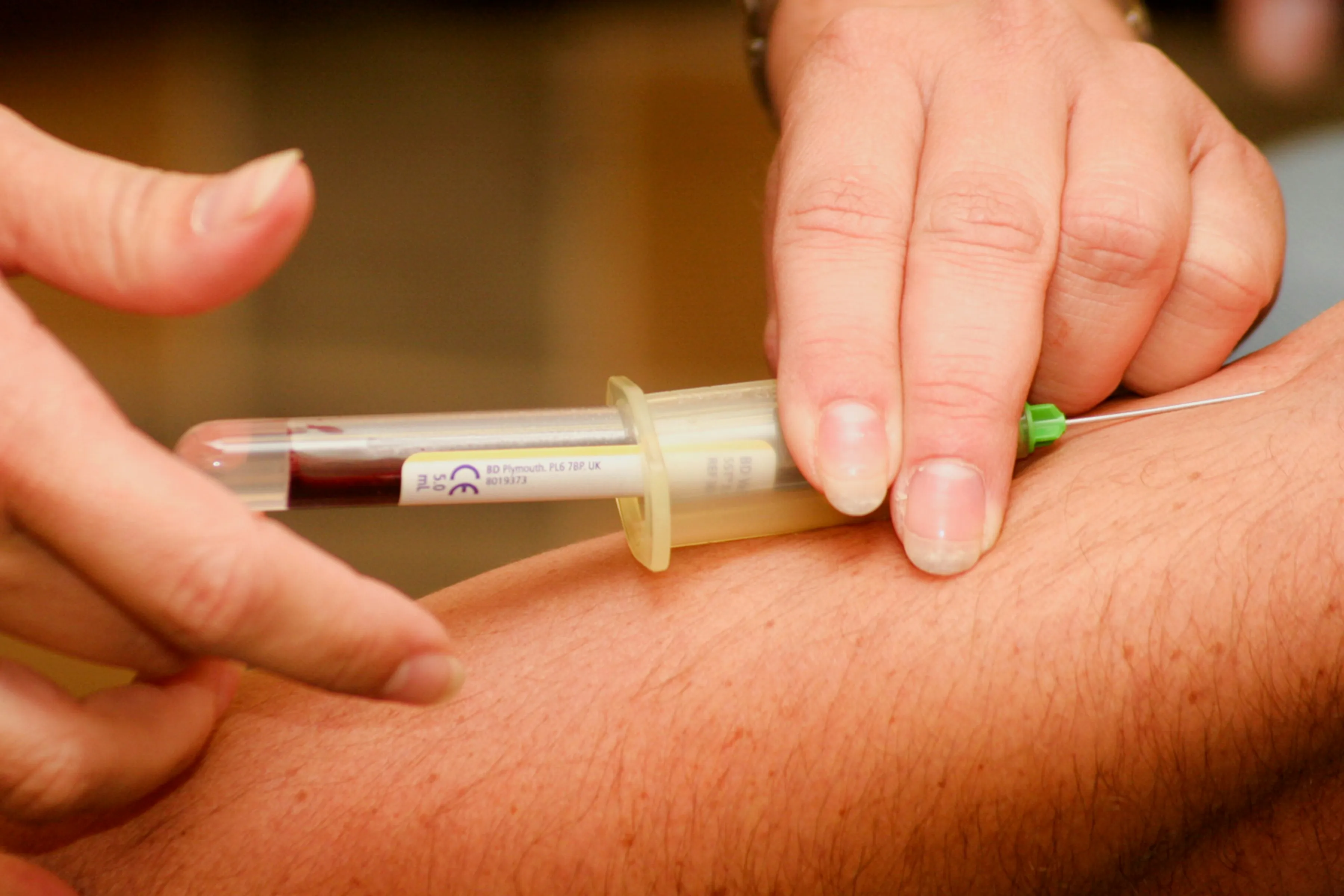
Your lab markers are your instruction manual. Knowing what’s in range—and especially what’s out of range—lets you personalize your health instead of guessing.
Function Health is an all-in-one health platform that starts with 160+ lab tests, covering your heart, hormones, liver, kidneys, thyroid, immune system, cancer signals, toxins, and key nutrients.
That’s about 5× more testing than standard primary care labs—bloodwork that would normally cost thousands of dollars out of pocket.
Scheduling is simple, with 2,000+ lab locations across the U.S., and most visits take around 15 minutes.
With real data and personalized insights, you can take action, retest over time, and actually track whether what you’re doing is working.
This is the exact blood test my family and I get every six months.
Click here to sign up for Function Health for less than $1/day
Only the best,
Jeremy London, MD
P.S. Don't forget to follow my podcast for free on Spotify or Apple Podcasts
Related Articles
.jpg)





.jpg)
.jpg)























































Subscribe for Free to Keep Reading
This content is free, but you must be subscribed to keep reading.