


"Eating healthy is actually eating normally, but most people think it's dieting" - Dan Go
We live in a society where eating healthy food is seen as dieting, when in reality it should be the norm.
Our food industry is driven by convenience and cost efficiency. Coupled with the fact that the average person walks less than 4,000 steps per day, this has led to a rapid rise in obesity with no end in sight.
The danger of body fat is not predominantly what you see in the mirror, though many of us would like to shed a few pounds for the summer.
The real danger lies in the fat that you can't see - the fat that surrounds your organs, known as visceral fat.
In today's newsletter, we will define visceral fat, explain why it's more dangerous, review the data, and outline how to lose it.
What is Visceral Fat?
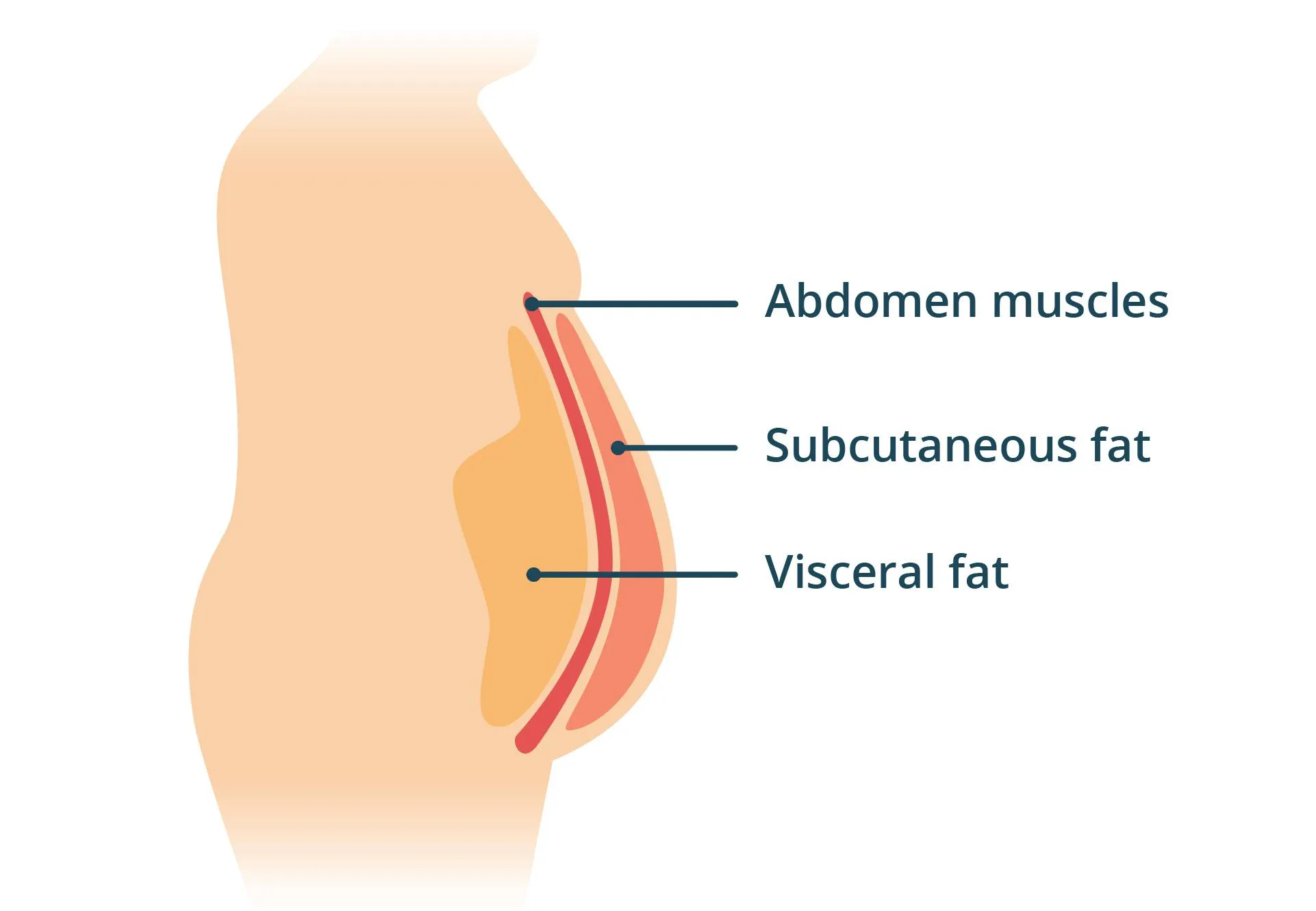
Not all body fat behaves the same way.
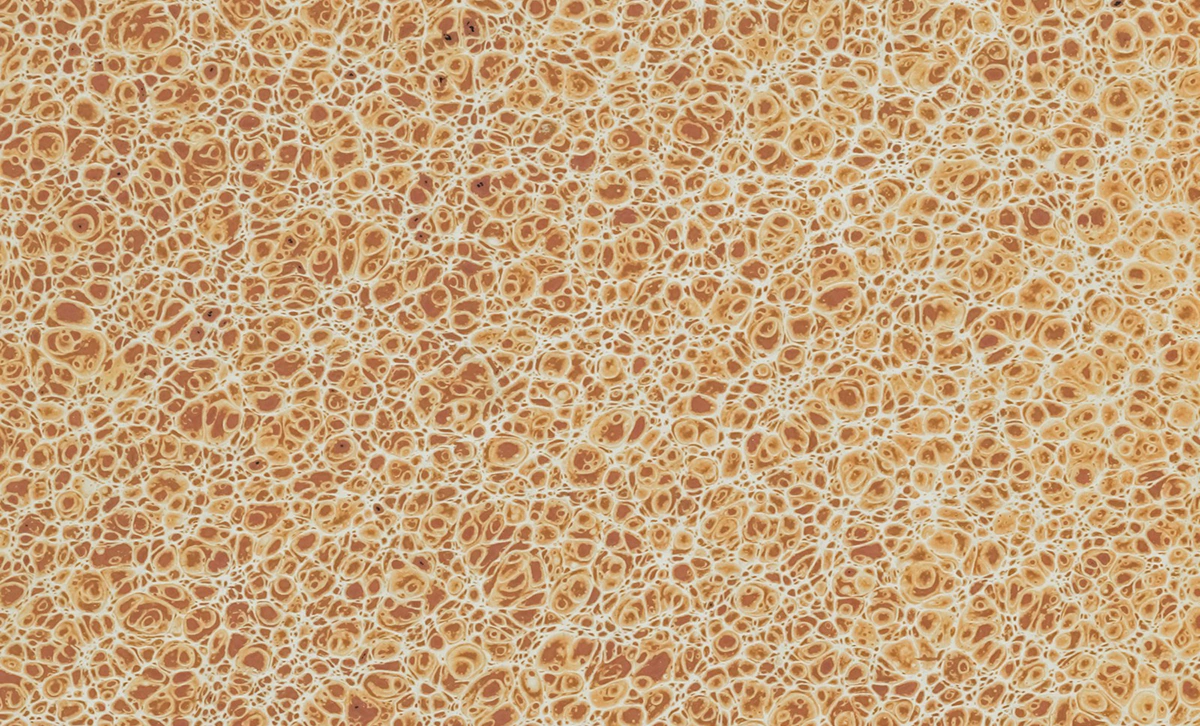
There are three different types of fat cells. Brown, white, and beige fat cells.
Fat is essential for many of our body's systems, including energy storage, temperature regulation, hormone balance, and reproductive health.
Problems arise due to high volumes and distribution.
The body stores these cells in different compartments. We have essential fat, which is critical for life. This encompasses our brain, nerves, and bone marrow.
The two types of fat I want to highlight today are subcutaneous and visceral fat.
Subcutaneous fat is stored under the skin. This is what you can squeeze and pinch. For most of us, this is the fat we wouldn't mind losing.
Visceral fat is the deep "belly fat". This fat is stored around your organs, like the liver, intestines, and pancreas. You can't see or pinch visceral fat.
Unlike subcutaneous fat, visceral fat can function like an endocrine organ.
How can you measure your visceral fat?
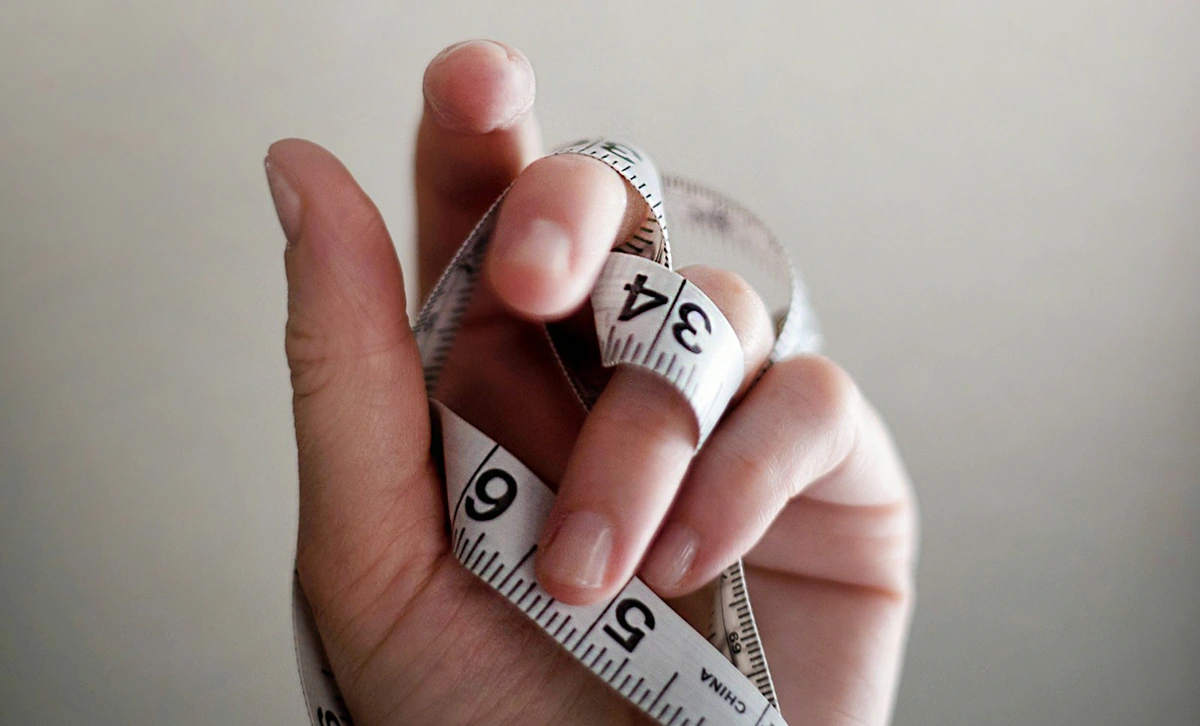
- Best at-home method: height-to-waist ratio.A simple rule of thumb is to keep your waist below half your height. This offers a rough estimate of how much visceral fat you have.
- More Accurate: DEXAA much more accurate modality that's not super expensive is a DEXA (Dual-Energy X-ray Absorptiometry). DEXA can more accurately estimate visceral fat, total body fat, and distribution.
Why is Visceral Fat More Dangerous?
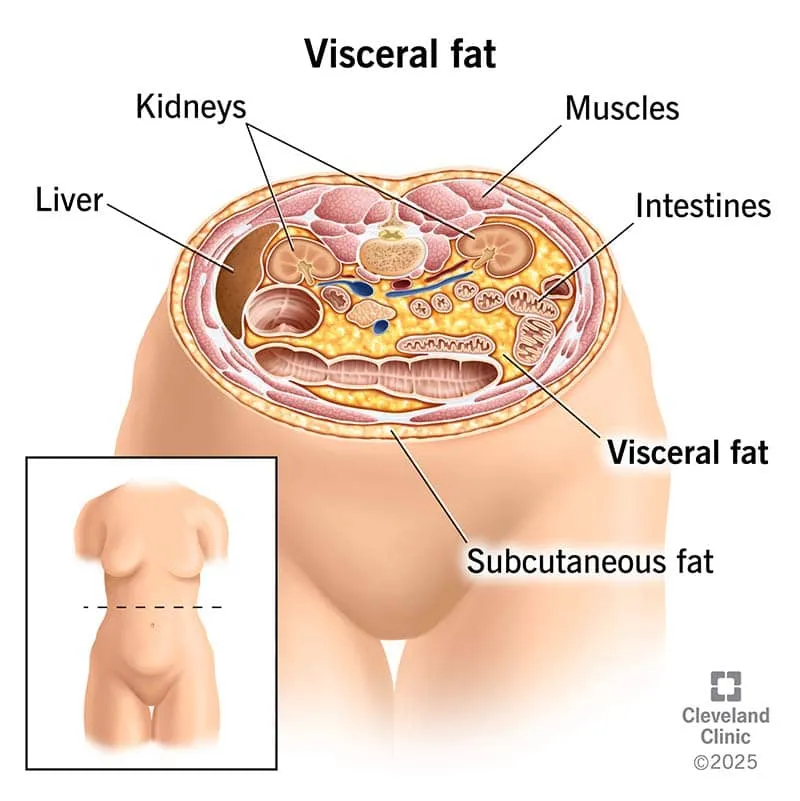
Subcutaneous fat functions as energy storage.
Visceral fat is biologically active.
Not only is visceral fat more insulin-resistant, but it is also associated with increased ectopic fat, which occurs when fat is stored in tissues not designed to normally do so, such as the liver and pancreas.
This dysfunctional visceral fat secretes elevated levels of proinflammatory cytokines, contributing to a chronic state of low-grade systemic inflammation.
Which patient population is prone to increased visceral fat?
Interestingly, even at the same BMI, individuals can store visceral fat differently.
Sex, genetics, activity level, perimenopause, and menopause all contribute to how and how much the body stores fat.
The Data: Visceral Fat is Linked to These Diseases
As a result of all the bioactive properties above, excess visceral fat is an independent risk factor for many disease processes.
Type 2 diabetes has a particularly strong association with excess visceral fat. Mendelian randomization studies demonstrate that visceral fat is a causal risk factor for diabetes. Interestingly, a larger effect in females than in males.
Cardiovascular disease and risk factors that contribute to heart disease are consistently linked with excess visceral adiposity. The American Heart Association emphasizes that individuals with excess visceral fat have a markedly higher risk for cardiovascular disease, irrespective of BMI.
Nonalcoholic fatty liver disease is typically accompanied by excess visceral obesity. Increased visceral fat levels expose the liver to inflammatory cytokines and promote ectopic lipid deposition.
The trend is pretty clear: more visceral fat increases your metabolic risk and impacts your long-term health burden.
Realistic Tactics to Lose Visceral Fat
At this point, it's clear that visceral fat accelerates the development of chronic diseases. The next question is, what are realistic ways to lose visceral fat?
The good news is that, in many cases, visceral fat is among the first fat stores to be burned.
The most effective evidence-based intervention is regular exercise.
Striving for 150 minutes of moderate-intensity exercise is effective. High-intensity interval training (HIIT) may prove to be even more effective. However, even 30-45-minute daily walks can help reduce visceral fat.
Exercise reduces visceral fat even without weight loss via redistribution.
However, complementing exercise with caloric restriction can further amplify visceral fat loss.
Move more.
Be intentional with your food choices.
Stay consistent.
Stay Hydrated the Right Way
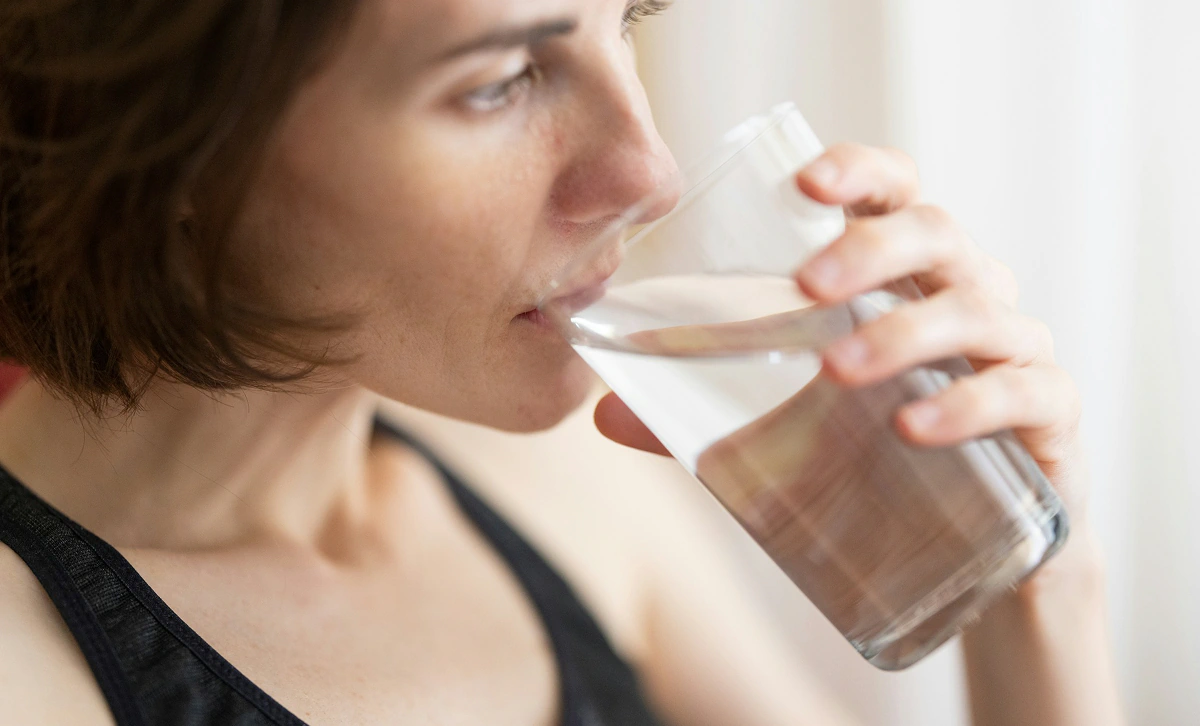
Hydration isn’t just about drinking more water — it’s about replacing what you lose.
When you sweat (from workouts, sauna sessions, or just daily life activities), you’re not just losing water — you’re losing electrolytes like sodium, potassium, and magnesium.
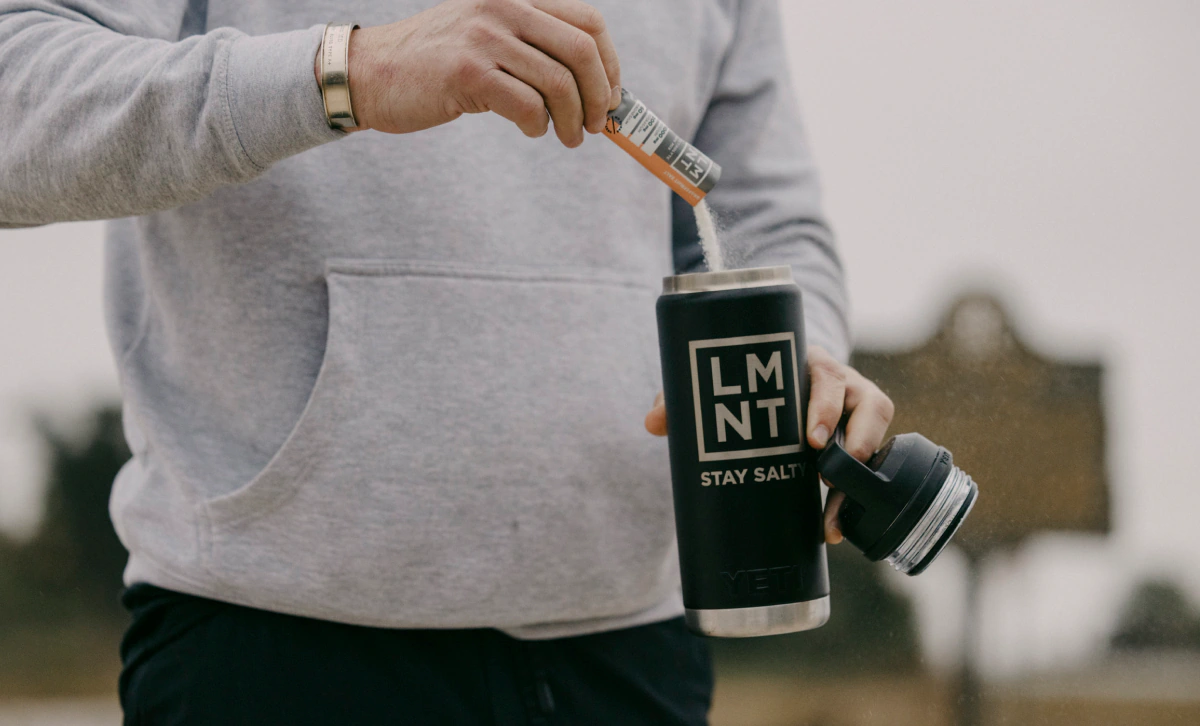
That's why I drink LMNT as my electrolyte replacement.
LMNT uses a science-backed electrolyte ratio of sodium, potassium, and magnesium.
Electrolytes are used by every cell in your body. Even minimal dehydration can limit cognitive and physical performance.
LMNT tastes great and helps me replenish my electrolytes after a hard workout or sauna. I mix one LMNT packet (usually Grapefruit Salt, my favorite flavor) into a 32-oz water bottle to stay hydrated throughout the day.
If you want to try LMNT for yourself, click here to receive a FREE sample pack of all 8 flavors with any purchase, plus a No Questions Asked Refund Policy.
Only the best,
Jeremy London, MD
P.S. Don't forget to follow my podcast for free on Spotify or Apple Podcasts
Related Articles


.jpg)





.jpg)
.jpg)












































Subscribe for Free to Keep Reading
This content is free, but you must be subscribed to keep reading.