Heart disease is a game of probability.
You can ignore all the health guidelines and still never have a heart attack. Conversely, you can follow every rule and still have a problem.
Both of these outcomes are unlikely, but they can still happen.
Probability.
When we refer to habits, exercise, medications, and lifestyle changes to reduce your risk of coronary artery disease, you are actively reducing the chance of a blockage occurring in a lethal location.
While there are no guarantees that your changes will prevent a heart attack, since your life is the commodity, I firmly believe in doing whatever it takes to tip the odds in your favor.
In today's newsletter, we will uncover 5 metrics everyone should know to help determine their risk for heart disease.
5 Metrics Everyone Should Know for Heart Disease Risk
To clarify, these data points help to better understand your overall risk, but are only 5 pieces of a complicated puzzle.
Family History
We can't run from our genes. If a first-degree relative had heart disease, then this is extremely important to note.
We are talking about a 2-to 4-fold higher rate of coronary artery disease (CAD) for patients with a positive family history.
The strength of familial risk increases with younger age of onset in relatives, greater number of affected relatives, and closer genealogical proximity.
Now this risk factor can feel hopeless as we can't currently change our genes, but to fully understand your risk profile, it's important to be aware of your family history of heart disease.
Waist-to-Height Ratio
It shouldn't be surprising that obesity is a primary driver of heart disease.
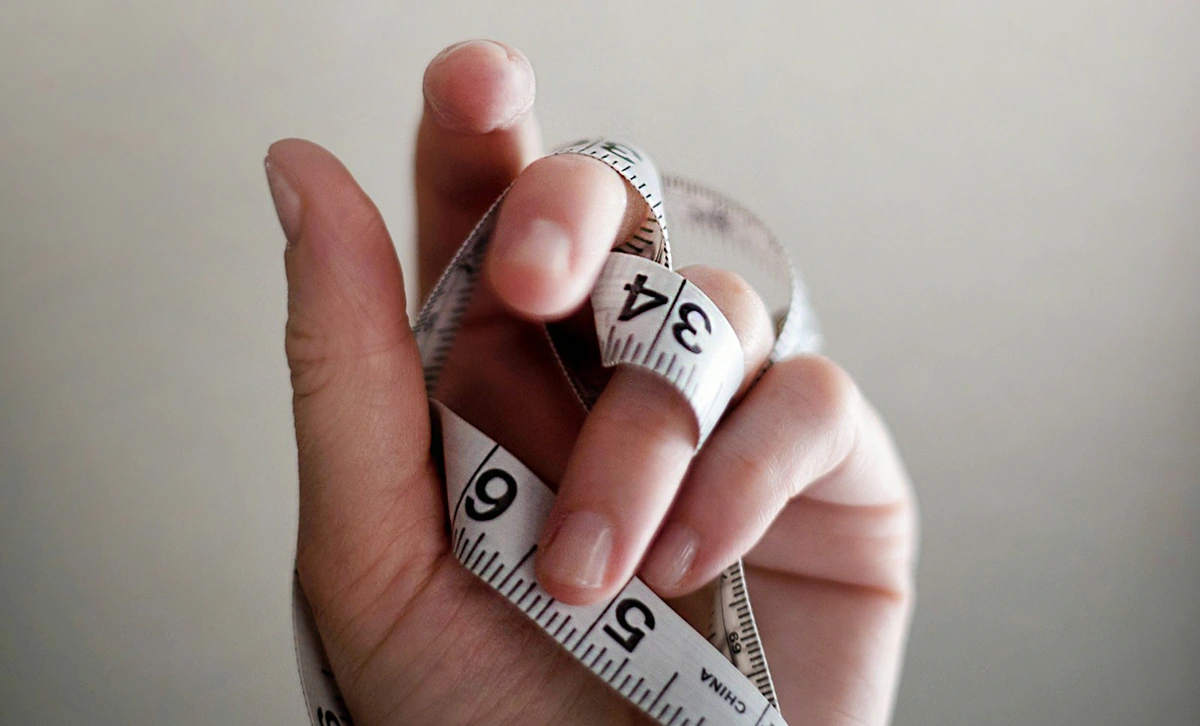
Specifically, an excess amount of visceral fat (the fat around your organs). A simple way to estimate your visceral fat is to use the waist-to-height ratio.
Waist-to-height ratio (WHtR) is an increasingly recognized measure of central obesity that may be superior to BMI (Body Mass Index) for cardiovascular risk assessment.
How to calculate your waist-to-height ratio: divide your waist circumference by your height. A healthy ratio is 0.5 or less.
Example:
- 34-inch waist / 72 inches tall = 0.47 (lower risk)
- 38-inch waist / 68 inches tall = 0.56 (increased risk)
Resting Heart Rate (RHR)
Resting heart rate can be an indication of your overall heart effeiency and insight into potential underlying risks.
Meta-analyses demonstrate that each 10 bpm increase in RHR is associated with a 7-9% increase in all-cause mortality risk and an 8% increase in cardiovascular mortality risk.
The relationship is dose-dependent and linear for all-cause mortality starting around 45 bpm, while cardiovascular mortality risk increases significantly at RHR ≥90 bpm.
Generally speaking, athletes and healthy individuals have a low resting heart rate. Here is where context matters:
- Physiologic Low Resting Heart Rate (Athlete's Bradycardia): A low resting heart rate (<60 bpm) is normal and adaptive
- Pathologic Bradycardia: Low HR that is due to disease or dysfunction
ApoB & Lp(a)
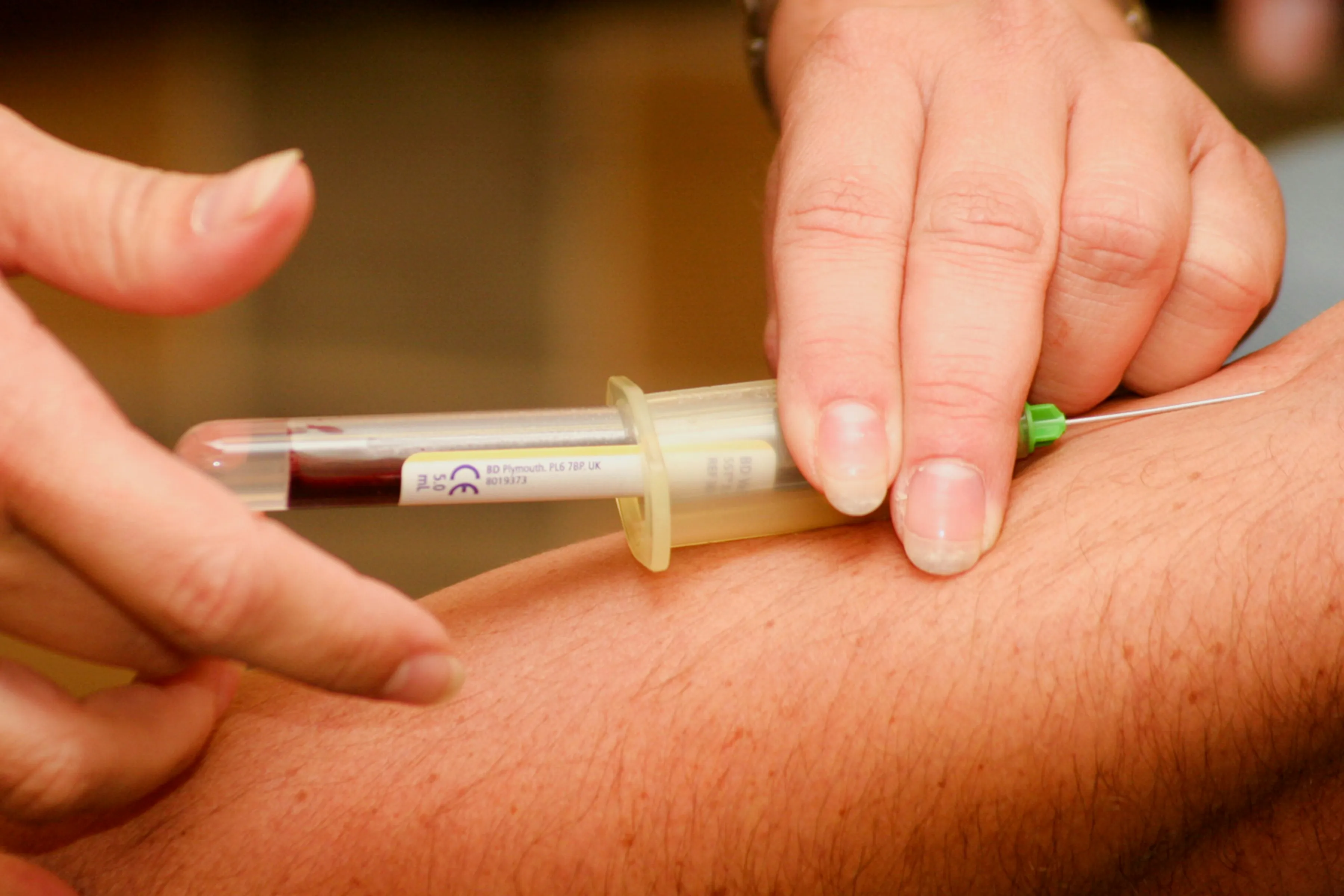
Many people are familiar with LDL cholesterol and its relationship with atherosclerosis.
To paint a more robust picture of heart disease, I would also add apolipoprotein B (ApoB) and lipoprotein(a) (Lp[a]) to the list.
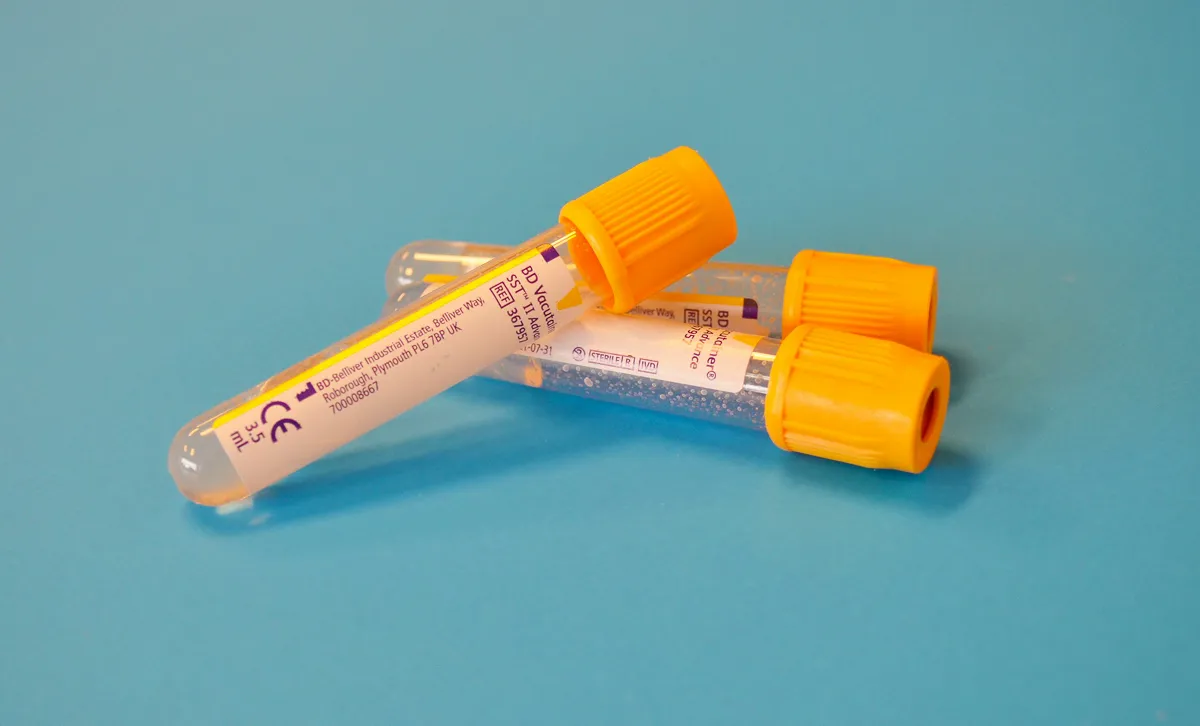
ApoB is a measurement of how many total atherogenic lipoprotein particles you have in your bloodstream. In other words, these are the cholesterol particles that can penetrate the blood vessel wall.
Lp(a) levels are genetically determined, and currently, lifestyle modifications have not proven to be effective. Think of Lp(a) as an LDL particle with a tail that has been shown to increase your risk for coronary artery disease.
Knowing both of these lab values can help to assess overall cardiovascular risk, and I'm hopeful that these will be added to standard primary care panels.
In the meantime, my family and I test both lab values on our annual Function Health panel (Note: Function is a longtime sponsor of this newsletter).
Blood Pressure
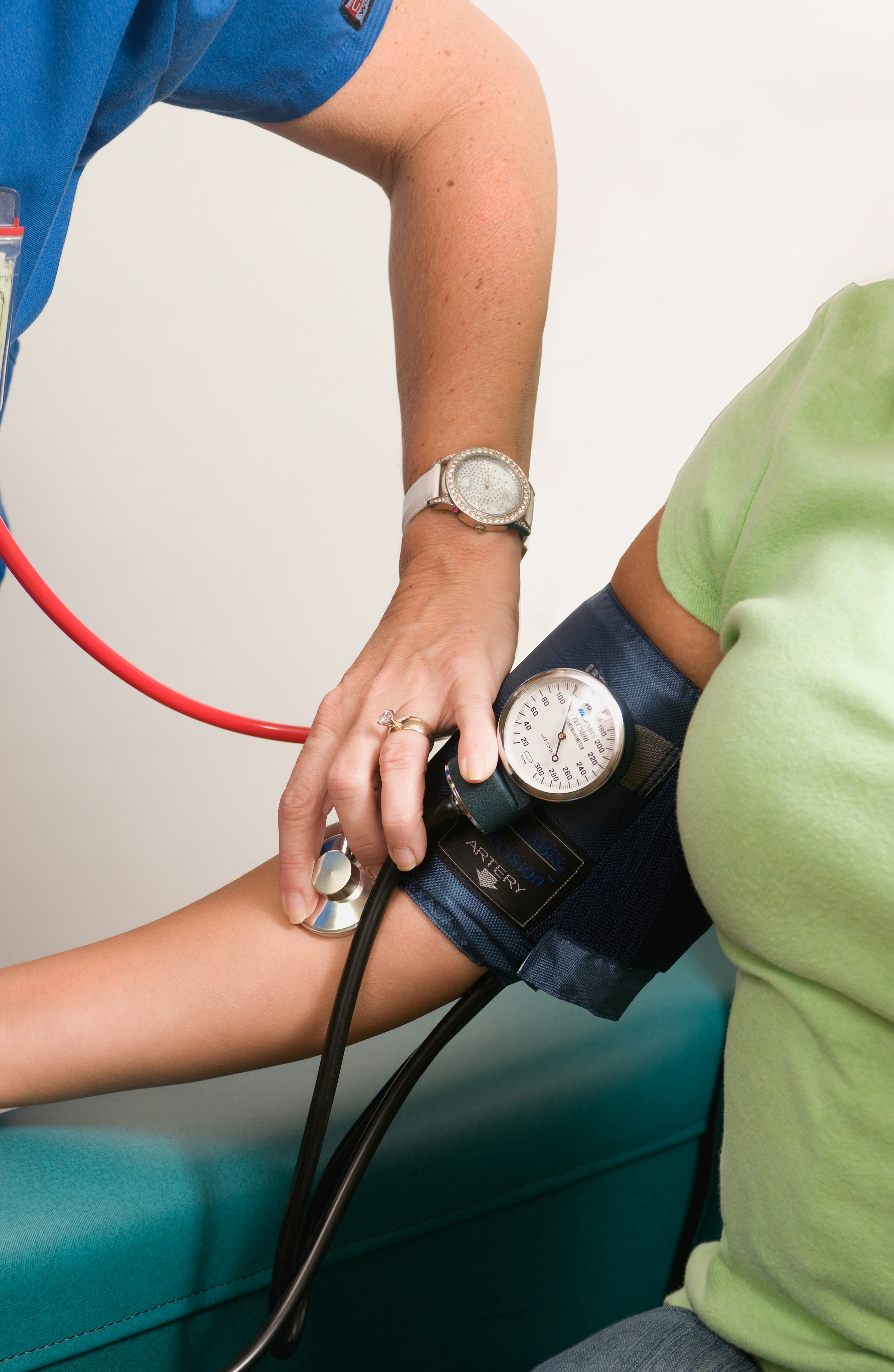
Finally, the most modifiable risk factor for heart disease is blood pressure.
1 in 2 adults in the United States has high blood pressure and may have no symptoms. Silently, high blood pressure can damage the inner lining of your blood vessels.
Truthfully, defining your blood pressure based on a single annual reading at your primary care provider isn't enough data.
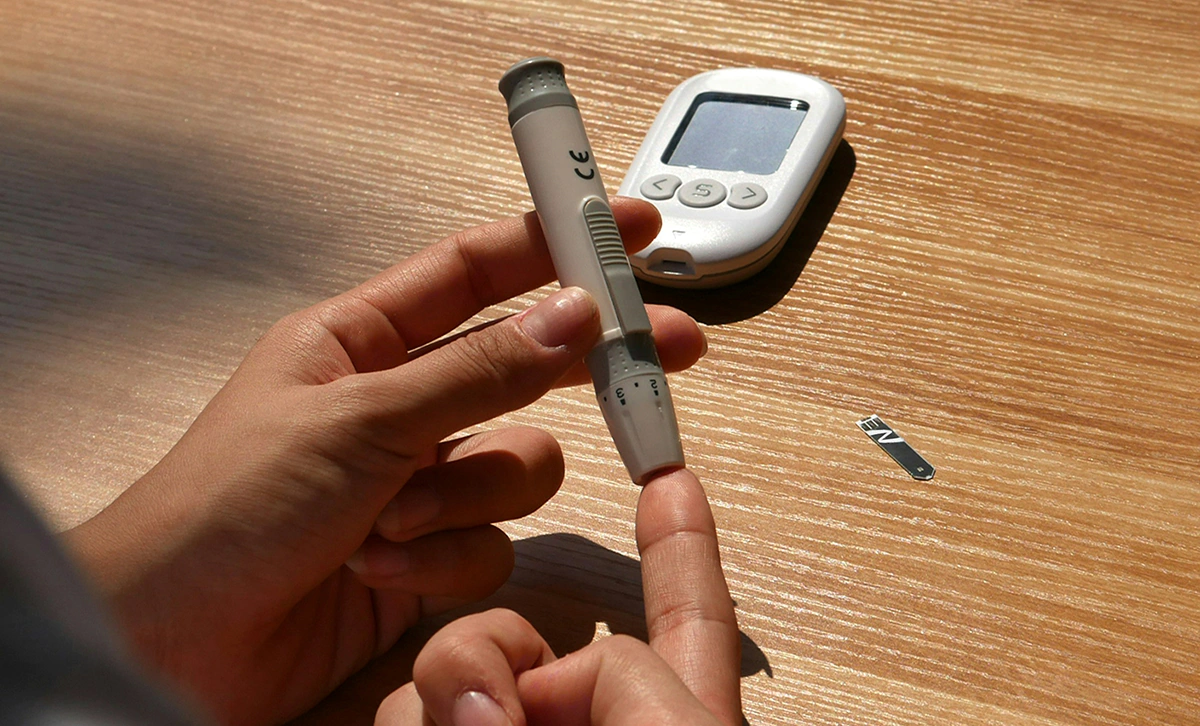
My suggestion would be to order a blood pressure arm cuff on Amazon (less than $50) and average multiple readings throughout the week.
Click here to learn more ways to lower and take your blood pressure.
Bottom Line
Knowing your health data is powerful.
The more you understand your health risk, the more confident you can be in making an educated plan that is personalized to you.
Again, these are only five important metrics, and there are hundreds, if not thousands, of other data points.
The bottom line is to take responsibility for your health care and educate yourself using the data available to make the best decisions.
Heart disease is the #1 killer of men and women worldwide.
Stack the deck in your favor by knowing your data and taking action.
Remove 97.3% of Microplastics From Your Water
My family and I make a huge effort to reduce our environmental exposure to harmful toxins.
Our tap water contains contaminants.
Since we drink water daily, this is an area worth addressing.
Over 95% of US water systems tested positive for at least one carcinogen. Federal Limits for contaminants in tap water are often 10-100x higher than recommended health guidelines.
That’s why we started using the Rorra Countertop System.
Built with medical-grade stainless steel and rigorously tested by NSF, the Rorra filtration system is proven to significantly reduce lead, PFAS, microplastics, and 50+ other contaminants.
It takes less than 5 minutes to set up, requires no plumbing or installation, and looks great.
Unlike other filters, Rorra removes harmful substances while keeping beneficial minerals, such as calcium and magnesium, in your drinking water.
If you want to remove harmful contaminants from your water, then check out the Rorra Countertop System.
Only the best,
Jeremy London, MD
P.S. Don't forget to follow my podcast for free on Spotify or Apple Podcasts



.jpg)





.jpg)
.jpg)