


"I'm not taking a statin until I get a Calcium Scoring Test""My CAC score came back low - I'm fine!""I got a 0 on my CAC, I can't have a heart attack"
These are common comments that I see on social media and hear from friends and patients.
While imaging and screening tests continue to progress and can be useful, there are many misconceptions that I want to address.
In today's newsletter article, we will break down what a coronary calcium score is, what it shows, and what it doesn't show.
What is a Coronary Calcium Score?

A coronary artery calcium (CAC) score is a CT scan of your heart that looks specifically at the coronary arteries, or the arteries that supply the heart with blood, oxygen, and nutrients.
The scan looks for calcium deposits in the walls of the artery, and you will receive a number from 0 to 1000+ on the Agatston scale.
The higher the number, the more calcified plaque is present.
A zero coronary calcium score means that there is no detectable calcified plaque.
It's very important to note that the CAC only accounts for calcified plaque or "hard" plaque but not "soft" plaque.
The Power of a Zero
Let's say you, a family member, friend, or coworker, does get a CAC score done and it comes back zero - what does this mean?
First and foremost, that is great news.
This means there was no calcified plaque or "hard" plaque detected.
How good? Well, this depends on many factors, but one of the most important is age.
A patient who is less than 40 years old with a CAC of 0 is 'potentially' good.
A patient who is 70 years old with a CAC of 0 is even more reassuring.
Why?
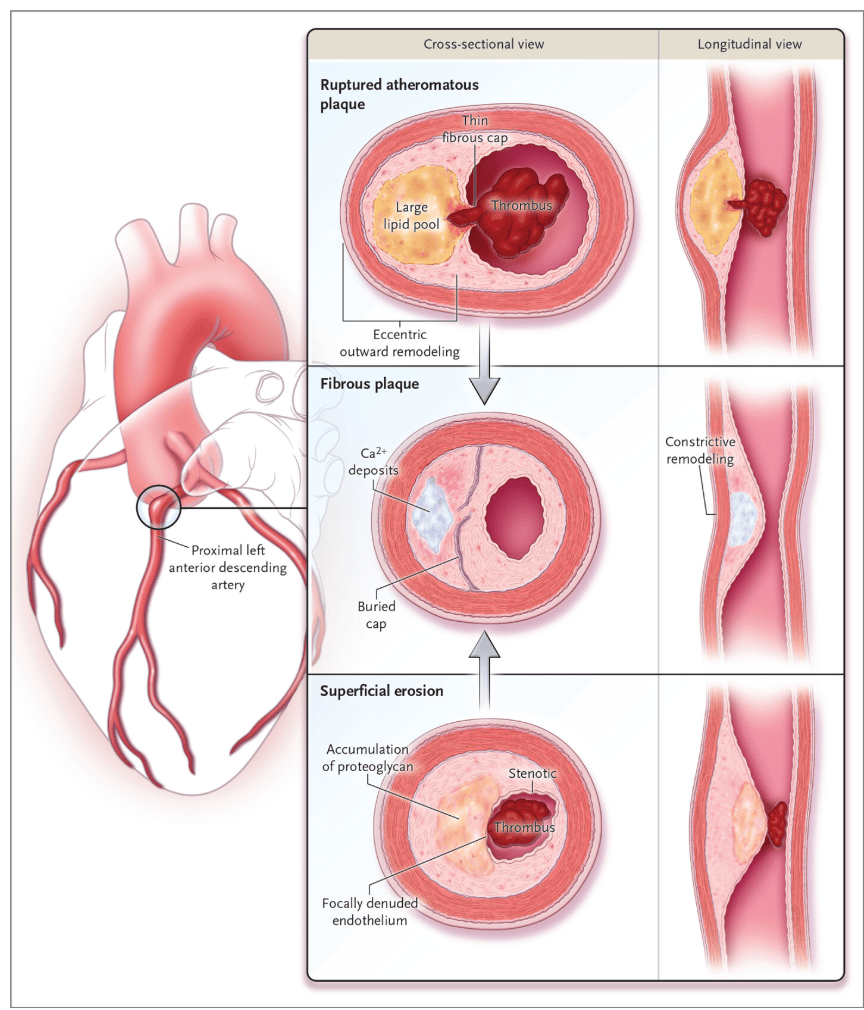
In patients less than 40 years old, there hasn't been enough time for soft plaque to calcify, so plaque could be accumulating, but it's all soft plaque.
The 70-year-old patient has had decades to allow for calcification and still posts a score of 0. Still good news but not out of the woods.
Which leads me to my next topic: CAC score limitations.
CAC Limitations & Misinterpretations
I want everyone reading this to understand that a zero CAC score is far from bulletproof and can falsely reassure patients they are safe.
Remember, a CAC score only accounts for hard plaque, not soft plaque.
Especially in patients with elevated Lp(a), a key biomarker that can drive soft plaque in people who otherwise look low-risk.
Lp(a) is genetic, unaffected by diet/exercise, not on a standard lipid panel, and is a major driver of the early non-calcified plaque your scan can not detect.
A daunting statistic: in one autopsy series of sudden cardiac death, plaque rupture caused 65% of events, plaque erosion 30%, and calcified nodules just 5% — meaning the two mechanisms a CAC score cannot reliably catch (rupture and erosion of soft, non-calcified plaque) account for roughly 19 out of 20 heart attacks.
Together, rupture + erosion account for ~93–98% of heart attacks, with calcified nodules causing only ~2–7%.
In fact, in the ICONIC trial, 23% of patients who had a heart attack had a CAC score of zero.
A Coronary Computed Tomography Angiography (CCTA) scan can be used to differentiate between hard and soft plaque. It does require a doctor referral, contrast dye, is very sensitive, and does have a noteworthy amount of radiation. It's also not cheap.
A CAC score and CCTA are only a snapshot in time.
A zero CAC doesn't mean zero for life. There is a warranty period where the results stand, and that period does differ based on age, sex, and risk factors, but typically 3-7 years before retesting would be necessary.
The Bottom Line
A zero CAC score is still better than a high score; it does not mean you are in the clear or immune to a heart attack.
When CAC = 0 is more reassuring:
- 60+ years old
- Asymptomatic patients without high-risk factors
- Nonsmokers without diabetes
When CAC = 0 is less reassuring:
- Younger patients <40 years old
- Women - a higher proportion of women with obstructive CAD had CAC = 0 compared to men. Among women <40 years with obstructive CAD, 74% had CAC = 0
- Symptomatic patients
- Patients with diabetes, active smoking, or severe hypercholesterolemia
- Familial hypercholesterolemia
The bottom line is that a CAC = 0 is a negative risk marker and can be used as another data point in a patient's risk profile; however, context is important.
Even with a CAC of zero, you should still aim to pull all levers we have available to reduce future risk of heart disease.
If you have elevated ApoB, LDL-P, or Lp(a), even with a CAC = 0, it is worth taking the necessary steps through lifestyle or medication to address them before problems arise.
Knowing Your ApoB Levels
Apolipoprotein B (ApoB) is not included in a standard lipid panel and is rarely included on routine annual labs.
That's starting to change. The new 2026 ACC/AHA cholesterol guidelines now recommend ApoB testing to sharpen cardiovascular risk assessment — because ApoB directly quantifies the number of atherogenic lipoproteins, providing a more accurate measure of atherogenic particle burden than LDL-C.
Essentially, ApoB counts the actual number of artery-clogging particles in your blood, which can be a more accurate measure of risk than LDL-C alone.
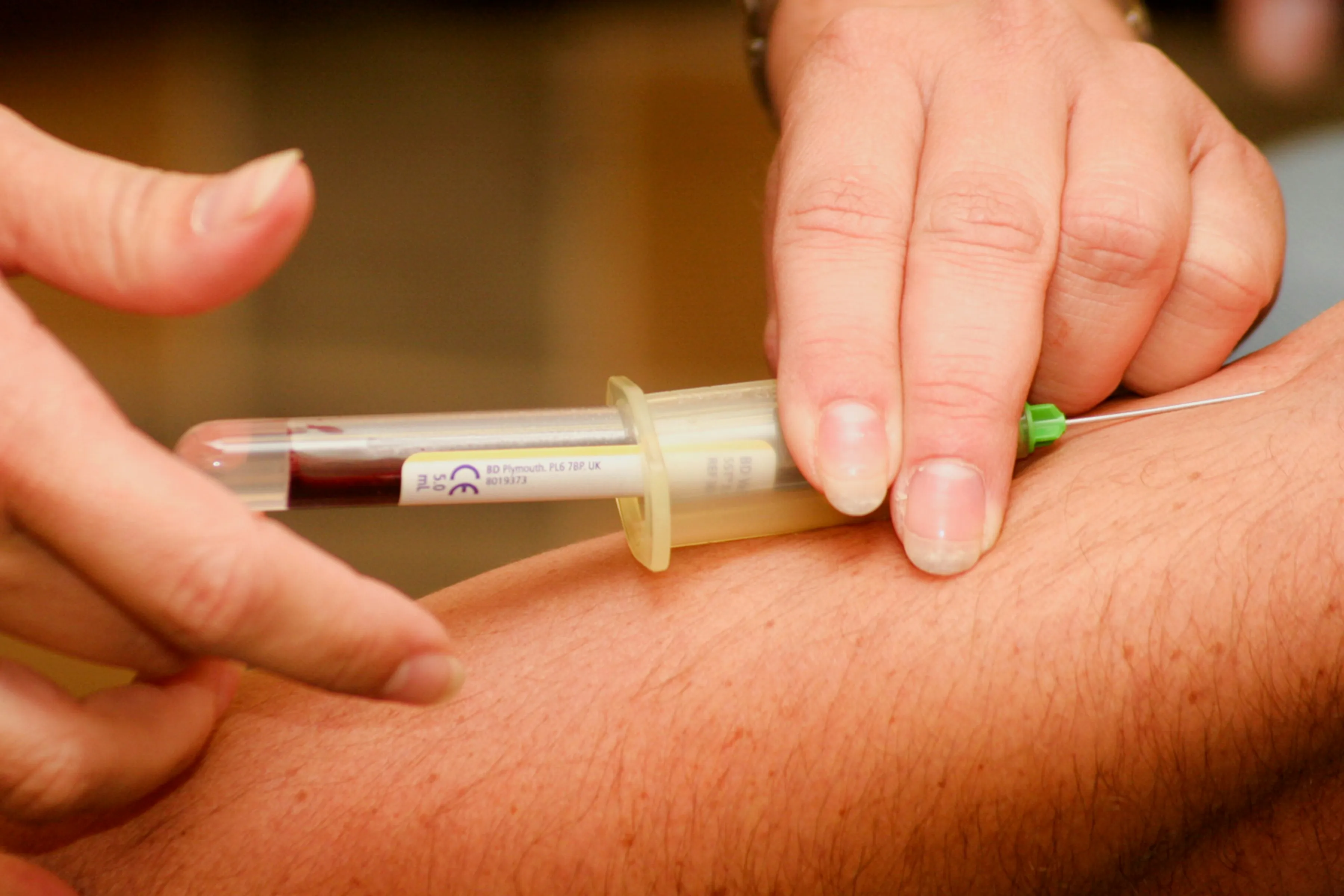
Function Health is an all-in-one health platform that starts with 160+ lab tests, covering your heart, hormones, liver, kidneys, thyroid, immune system, cancer signals, toxins, and key nutrients.
That’s about 5× as much testing as standard primary care labs—bloodwork that would normally cost thousands of dollars out of pocket.
Scheduling is simple, with 2,000+ lab locations across the U.S., and most visits take around 15 minutes.
If you are interested in knowing your ApoB level, see if Function is a good fit for you.
Click here to sign up for Function Health for less than $1/day
Only the best,
Jeremy London, MD
P.S. Don't forget to follow my podcast for free on Spotify or Apple Podcasts
Related Articles
.jpg)





.jpg)
.jpg)
































































Subscribe for Free to Keep Reading
This content is free, but you must be subscribed to keep reading.