


If you have been reading my newsletter, then you know where I stand with cholesterol.
Apolipoprotein B, or ApoB, is the single best marker for cardiovascular risk when it comes to cholesterol.
Not LDL-C. Not total cholesterol.Not HDL.
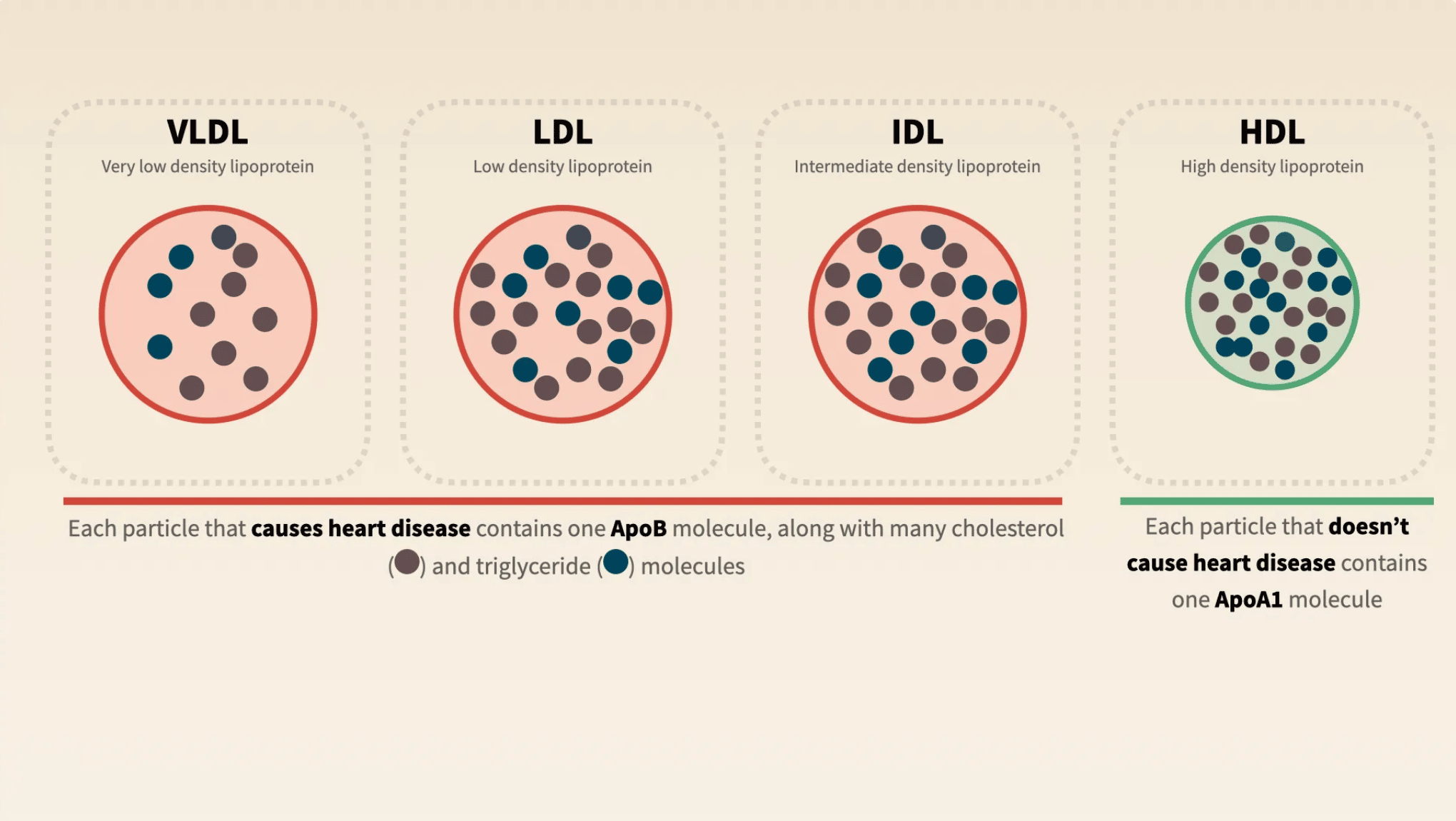
ApoB measures the number of atherogenic particles circulating in your blood, each one capable of penetrating into your arterial wall and starting the process that ends in heart attacks and strokes.
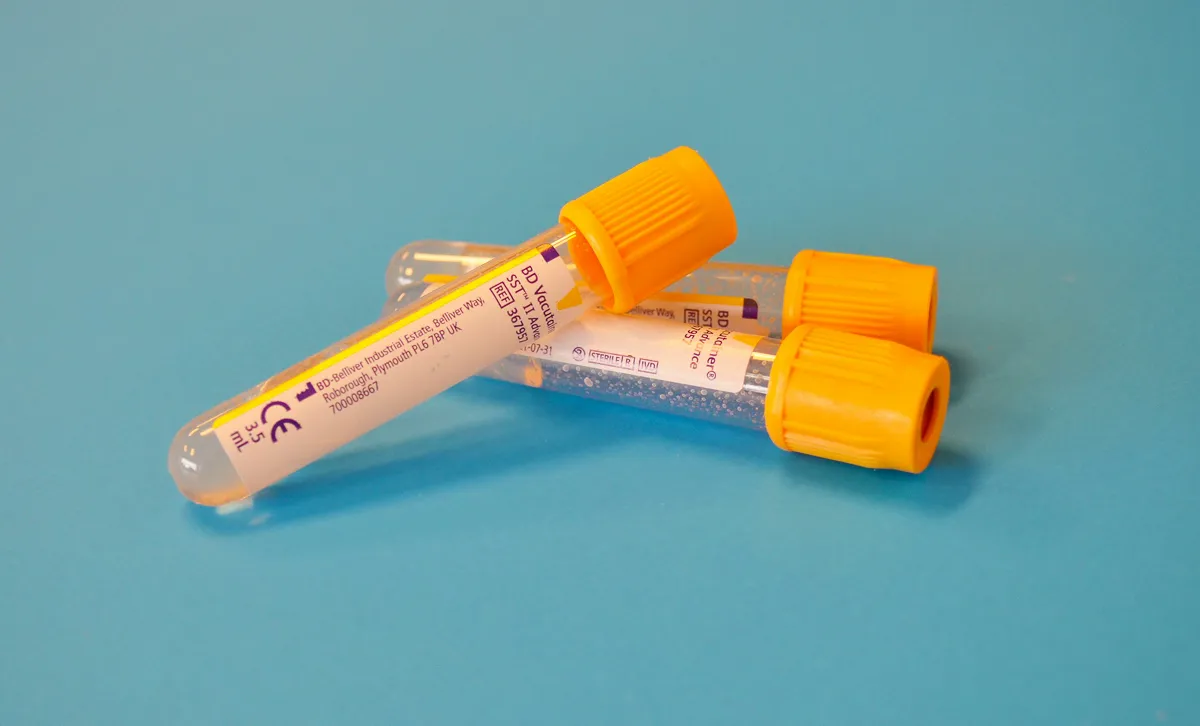
Since ApoB isn't included on the standard lipid panel, my family and I use Function Health to routinely check our ApoB levels every 6 months.
If you want to learn more about the basics of ApoB, check out these previous articles:
- How People With 'Normal' Cholesterol Still Have Heart Attacks
- Does Cholesterol Actually Matter?
- How Do Cholesterol-Lowering Medications Work?
- Eggs & Cholesterol: The Effects of Dietary Cholesterol
So if ApoB is the number that matters, the next question is obvious: how do you actually lower it?
This is one of the most asked questions we receive.
ApoB Target levels:
- <90 mg/dL for moderate risk patients
- <70 mg/dL for high risk patients
- <55 mg/dL for very high risk patients
In today's article, we will explore how to lower ApoB through diet, lifestyle interventions, and medication.
Dietary Interventions
There are three buckets when it comes to dietary changes to lower ApoB:
- Reduce sugar and starch intake
- Reduce excess saturated fat intake
- Increase soluble fiber intake
I want to briefly address the misconception about dietary cholesterol.
Despite the headlines in the late 90's and early 2000's, cholesterol from diet might not be as evil as we initially thought.
It's intuitive to assume the solution is just to eat less dietary cholesterol. However, because the body metabolizes dietary cholesterol, most people don't experience a drastic difference in serum LDL-C and ApoB levels from altering dietary cholesterol intake. Learn more about dietary cholesterol here.
So what actually works?
First, reduce added sugar and refined carbohydrates from your diet.
Why does this affect ApoB cholesterol particles? When you eat sugar and carbohydrates, your body packages these sugar molecules in triglyceride-rich lipoproteins called VLDLs.
VLDLs are a part of the ApoB family, so if your diet is heavy in added sugar and refined carbohydrates, this can raise your ApoB level.
Second, reduce excess saturated fats.
The mechanism is well understood: excess saturated fats downregulate your LDL receptors, which means your liver will have fewer receptors to pull atherogenic ApoB particles out of your bloodstream.
An easy swap is to make the foundation of your nutritional plan olive oil, nuts, avocados, and lean meats (poultry/fish). Decrease your intake of fatty red meat and butter.
How much saturated fat affects you is individualized. If your ApoB is elevated, make these swaps and see how much your levels are affected.
Finally, increase your soluble fiber intake.
Oats, beans, psyllium, and legumes bind bile acids in the gut, forcing your liver to pull more cholesterol out of the blood to make more bile acids. It's a genuinely underrated lever — 5-10 grams of soluble fiber a day can meaningfully move ApoB.
Increased fiber intake also helps improve insulin sensitivity, which is pivotal in improving ApoB levels as mentioned above.
Lifestyle Interventions
Combining diet with lifestyle intervention makes for an even more impactful change.
Lifestyle changes include:
- Weight lossParticularly loss of visceral fat, improves insulin sensitivity and lowers both triglycerides and ApoB particle number. Even 5-10% body weight loss can meaningfully shift your lipid panel.
- ExerciseEspecially a combination of aerobic and resistance training; muscle is our biggest glucose sink. Regular exercise improves how your body clears triglyceride-rich particles and can help improve insulin sensitivity.
- AlcoholRegular heavy drinking raises triglycerides and, in turn, ApoB. If you're trying to move the number, this is worth an honest look.
- Sleep and stressChronic sleep deprivation and unmanaged stress both worsen insulin resistance, which cascades into higher triglycerides and ApoB.
None of this is exotic. It's the same short list that shows up for nearly every cardiometabolic outcome, because these levers all converge on the same underlying biology: insulin sensitivity and hepatic (liver) particle clearance.
It makes sense to retest labs 8-12 weeks after these interventions.
When Diet and Lifestyle Aren't Enough
Many patients feel like taking medication is a failure.
I'm here to tell you it's not.
We have to be willing to pull all the health levers we have available.
Unlike high blood pressure or quitting smoking, genetics plays a huge role in lipid metabolism and modulating ApoB levels. It's not uncommon to pull all the lifestyle and diet levers and still not be at an optimal ApoB level.
That's not a failure. It's biology, and it's exactly why medication exists.
- Statins remain first-line. They inhibit cholesterol production in the liver, which triggers the liver to upregulate LDL receptors, increasing particle clearance from the blood. The ApoB reduction is dose-dependent and well-documented across decades of outcome trials.
- Ezetimibe blocks cholesterol absorption in the gut and is often added to a statin for an additional 15-20% reduction, with a favorable side-effect profile.
- PCSK9 inhibitors (and the newer oral and siRNA options) prevent the breakdown of LDL receptors, meaning your liver keeps more receptors active longer. These produce the largest ApoB reductions we have available and are increasingly used for patients who don't reach goal on statins and ezetimibe alone, or who can't tolerate statins.
- Bempedoic acid offers another non-statin option, particularly useful for patients with statin intolerance.
If you have been diagnosed with familial hypercholesterolemia, familial combined hyperlipidemia, hypothyroidism, nephrotic syndrome, or CKD, medication tends to be first-line therapy for these medical conditions.
The point isn't to choose diet or medication. For most people at elevated risk, it's diet and lifestyle and, when needed, medication — layered together.
The Bottom Line
You can't manage what you don't measure.
For years, cholesterol management meant chasing a single number — LDL-C — which was really just a proxy for what matters most: how many atherogenic particles are circulating in your blood and for how long. ApoB gets you closer to that answer than anything else we routinely check.
It isn't a number to fear — it's a number to manage, and you have real levers to pull:
- Diet: Reduce saturated fat and added sugar. Add more soluble fiber. These aren't separate strategies — they work on the same underlying biology, improving how efficiently your liver clears particles from your bloodstream.
- Lifestyle: Layer in movement, weight management, and honest conversations about alcohol and sleep. Consistency here compounds — small, sustained changes tend to outperform aggressive short-term ones.
- Medication: When diet and lifestyle aren't enough, medications tailored for you by a health care professional aren't a fallback — they're often the difference between a good-faith effort and an actual goal met, especially when genetics are working against you.
Start by getting your levels checked with your primary care provider or an online advanced testing service. From there, you and your doctor can build a plan that's actually tailored to your numbers, your risk, and your life.
Knowing Your ApoB Levels
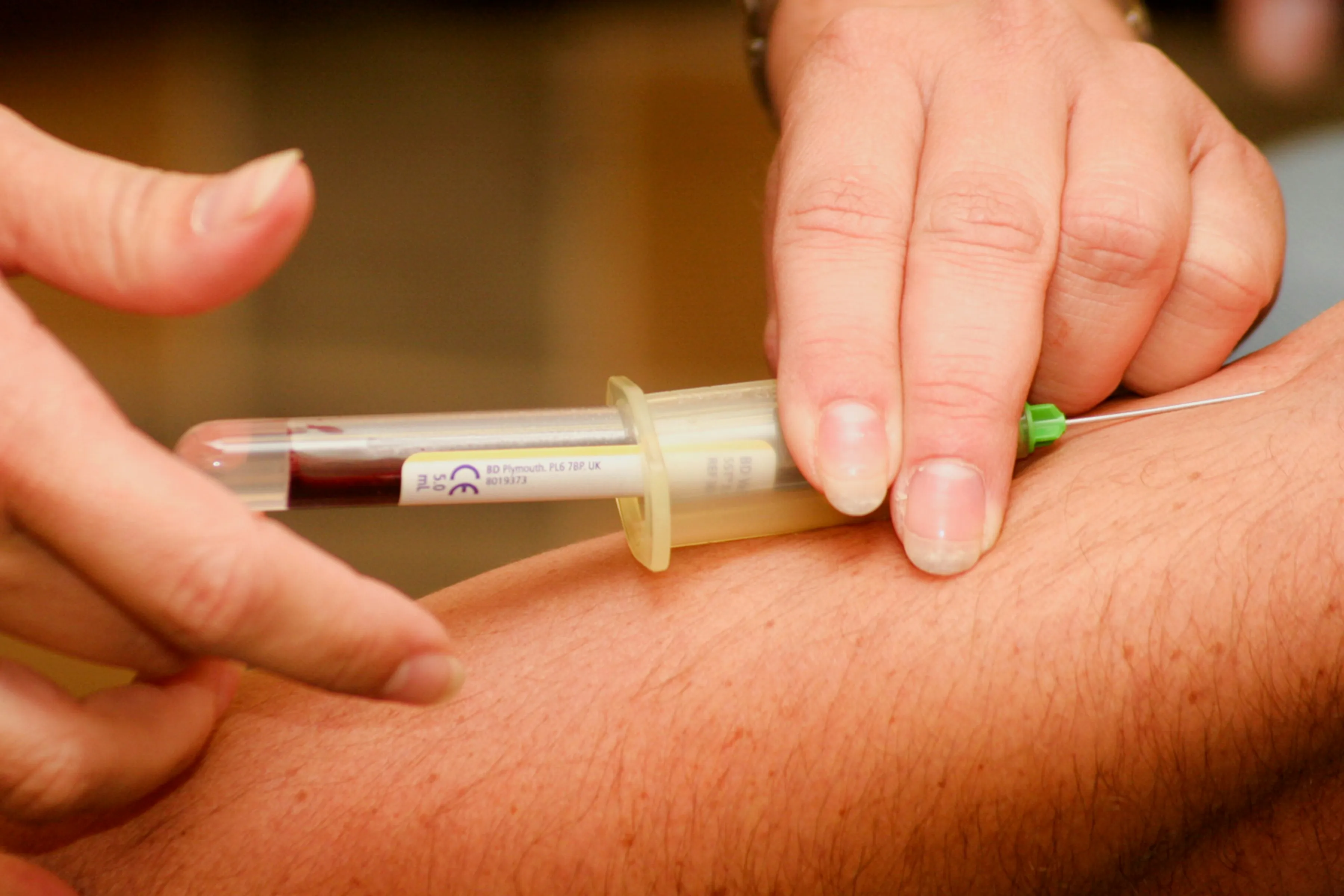
Apolipoprotein B (ApoB) is not included in a standard lipid panel and is rarely included on routine annual labs.
That's starting to change. The new 2026 ACC/AHA cholesterol guidelines now formally recommend ApoB testing to refine risk assessment in certain patients — because ApoB directly quantifies the number of atherogenic lipoproteins, providing a more accurate measure of atherogenic particle burden than LDL-C.
Essentially, ApoB counts the actual number of artery-clogging particles in your blood, which can be a more accurate measure of risk than LDL-C alone.
Function Health is an all-in-one health platform that starts with 160+ lab tests, covering your heart, hormones, liver, kidneys, thyroid, immune system, cancer signals, toxins, and key nutrients.
That’s about 5× as much testing as standard primary care labs—bloodwork that would normally cost thousands of dollars out of pocket.
Scheduling is simple, with 2,000+ lab locations across the U.S., and most visits take around 15 minutes.
If you are interested in knowing your ApoB level, see if Function is a good fit for you.
Click here to sign up for Function Health for less than $1/day
Only the best,
Jeremy London, MD
Related Articles


.jpg)





.jpg)
.jpg)

























































Subscribe for Free to Keep Reading
This content is free, but you must be subscribed to keep reading.