


Your Oral Health Matters
Oral hygiene is a never-ending daily task.
Your mouth is an amazing ecosystem of bacteria, muscle, and enamel. It's very easy to silo off our mouth from the rest of our body.
However, our mouth is the start of our GI system. It is the gateway to 70% of foreign material (food, drinks, etc.) and a primary point of entry for the entire body.
Brushing and flossing may seem like a monotonous, pesky task that gets checked off, but surprisingly, it matters.
Many people are unaware that certain bacteria in the mouth are key to the production of nitric oxide. Nitric oxide is crucial for blood vessel dilation and improved blood pressure.
In today's newsletter, we are going to unpack how poor oral health can negatively impact your heart, brain, and mortality. I will leave you with a 5-step program to help optimize your oral health.
Why Poor Oral Hygiene is Dangerous
When we brush our teeth, the toothbrush physically breaks up the bacterial biofilm, prevents acid buildup, and helps reduce the bacterial load in our mouths.
Minutes after you finish brushing, the bacterial biofilm begins to accumulate again, and within 24 hours, plaque reforms.
This is why consistency is paramount for optimal oral health.
What happens if you stop brushing your teeth?
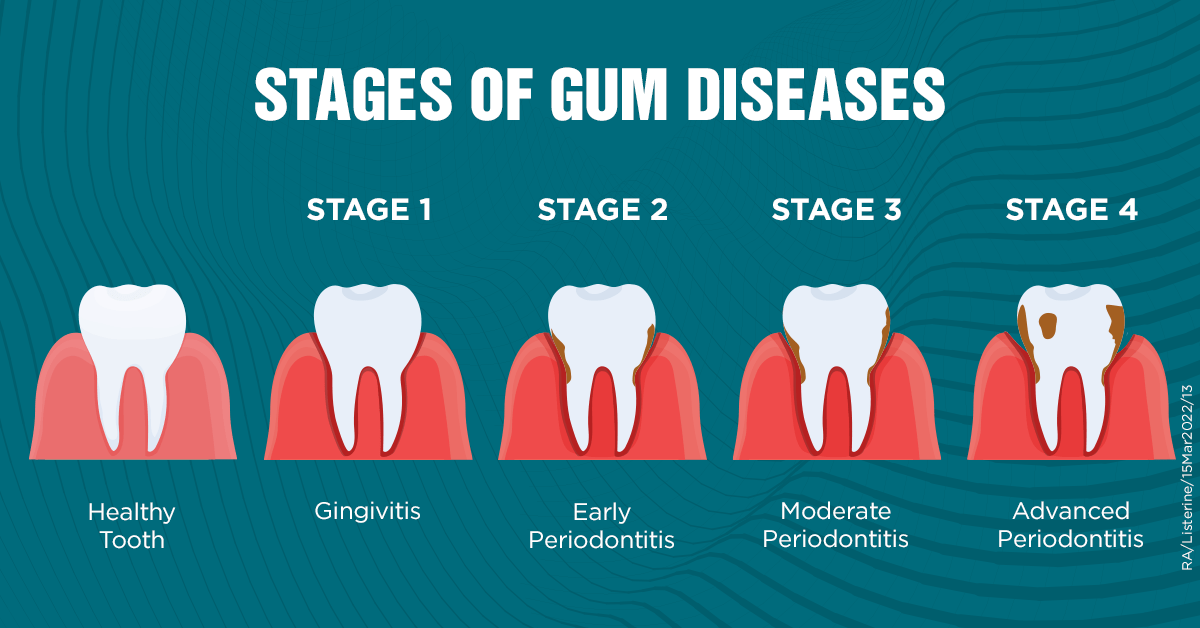
Bacteria start to accumulate on your teeth and gum line, and they produce toxins foreign to your body. In response, your immune system attempts to put out this toxin fire.
At this point, you will most likely experience gingivitis.
If this disease process continues, you can end up with periodontitis.
Your body's defense mechanism triggers increased immune support, while simultaneously breaking down the collagen and ligaments that form the foundation of your teeth.
This breakdown process creates a pocket for bacteria to thrive.
This creates a self-perpetuating inflammatory loop.
More bacteria → more inflammation → deeper pockets → more bacteria.
These oral bacteria can potentially enter your bloodstream and cause problems throughout the body.
How This Impacts Your Heart, Brain, and Overall Health
Though direct mechanisms are not fully established, oral health, especially periodontal disease, is strongly associated with cardiovascular disease, stroke, dementia, and overall mortality.
The two proposed mechanisms are systemic inflammation and bacteremia (bacteria in the bloodstream).
Heart Health:
Meta-analyses demonstrate approximately 2-fold increased odds of myocardial infarction in patients with periodontal disease. Improved oral hygiene behaviors—including frequent toothbrushing and regular professional dental cleanings—reduce the risk of cardiovascular events by 9% and 14%, respectively.
Certain bacteria, such as Porphyromonas gingivalis, have even been found within arterial plaque.
Patients with damaged, inefficient, or even prosthetic valves are at higher risk of oral bacteria colonizing and causing infective endocarditis (inflammation inside the heart as a result of bacterial infection).
Brain Health:
Poor dental hygiene can increase your risk of stroke and dementia by 1.28-1.7 fold.Chronic exposure to periodontitis can lead to oral bacteria translocating to the brain, increasing inflammation, and damaging the blood-brain barrier.
Bacterial DNA from oral pathogens has been detected in Alzheimer's brain tissue. Most likely not a primary driver, but an inflammation pathway makes sense.
Overall Mortality:
Poor oral health is independently associated with increased all-cause mortality. Periodontitis increases all-cause mortality risk by approximately 46% based on a meta-analysis involving 5.71 million participants. Tooth loss demonstrates particularly strong associations with mortality, with edentulism (complete or partial loss of teeth) conferring a 66% increased risk of all-cause mortality.
It's extremely important to address dental decay or disease and not let it go untreated.
Proven Oral Routine That Reduces Risk
Given the modifiable nature of the most common oral diseases, proper oral hygiene is low hanging fruit for prevention.
If anything, use this newsletter as a reminder to brush and floss consistently. Not solely for oral health, but overall health.
I asked my friend and functional dentist, Dr. Staci Whitman, DMD, her top five non-negotiables for supporting heart health through oral hygiene.
1. Brush with intention, not aggression.
Brushing twice daily is essential to disrupt pathogenic biofilm, but overbrushing or using abrasive toothpaste can damage enamel and irritate the gingiva, driving inflammation. Use a soft-bristled brush and small circular motions.
2. Floss (or use a water flosser) every night.
Interdental spaces harbor anaerobic bacteria that fuel periodontal disease, elevate CRP, and drive systemic inflammation. Daily mechanical disruption, ideally in the evening, prevents the pathogens from translocating into the gut and bloodstream during sleep.
3. Avoid antiseptic mouthwash.
Chlorhexidine, alcohol, or astringent-based rinses annihilate beneficial nitric oxide-producing oral bacteria. These microbes convert dietary nitrates into nitrites, a critical step in the enterosalivary nitrate, nitrite-NO pathway. Killing them off impairs vasodilation, increases blood pressure, and raises cardiovascular risk.
4. Feed your oral microbiome.
Polyphenols (like green tea catechins, berries, and cacao), fiber, and leafy greens feed commensal bacteria. Avoid frequent exposure to refined sugar and flour, which promote acidogenic, dysbiotic communities. Oral microbial health shapes systemic inflammation, metabolic markers, and vascular integrity. Increasing the intake of naturally fermented foods in your daily routine (sauerkraut, kefir, kimchi, natto, pickles) is a great way to support the optimization of your oral microbiome.
5. Prioritize professional cleanings and early intervention
Subclinical periodontitis can exist without pain but still leaks endotoxins and inflammatory mediators (IL-6, TNF-α) into the systemic circulation. Regular dental visits allow early detection, biofilm management, and the monitoring of the oral microbial balance.
Clean Water Made Easy
My family and I make a huge effort to reduce our environmental exposure to harmful toxins.
Our tap water contains contaminants.
Given the fact that we drink water daily, this is clearly an area worth addressing.
Over 95% of US water systems tested positive for at least one carcinogen. Federal Limits for contaminants in tap water are often 10-100x higher than recommended health guidelines.
That’s why we started using the Rorra Countertop System.
Built with medical-grade stainless steel and rigorously tested by NSF, the Rorra filtration system is proven to significantly reduce lead, PFAS, microplastics, and 50+ other contaminants.
It takes less than 5 minutes to set up, doesn't require any plumbing or installation, and looks great.
Unlike other filters, Rorra removes harmful substances while keeping the beneficial minerals such as calcium and magnesium in your drinking glass.
Only the best,
Jeremy London, MD
P.S. Don't forget to follow my podcast for free on Spotify or Apple Podcasts
Related Articles
.jpg)





.jpg)
.jpg)







































































Subscribe for Free to Keep Reading
This content is free, but you must be subscribed to keep reading.