


We dedicate most of our content to raising awareness and sharing tactics for reducing the risk of cardiovascular disease.
Many believe that cardiovascular disease impacts only the heart, but in reality, issues affecting the heart often influence the brain, and the reverse is also true.
Stroke is a cardiovascular problem.
You may be familiar with the term stroke, but a majority of people don't know what it actually is. After you read this article, you will.
The good news is that 80-90% of strokes are preventable by addressing modifiable risk factors.
In today's newsletter, we will unpack what a stroke is, its different types, the most effective ways to prevent it, and the signs and symptoms to recognize.
What is a Stroke?
A stroke at its core is a lack of blood flow to an area of the brain.
Your brain, being one of the most demanding organs, has no fuel reserve, no backup tank. When the blood stops, brain tissue starts to die. Fast.
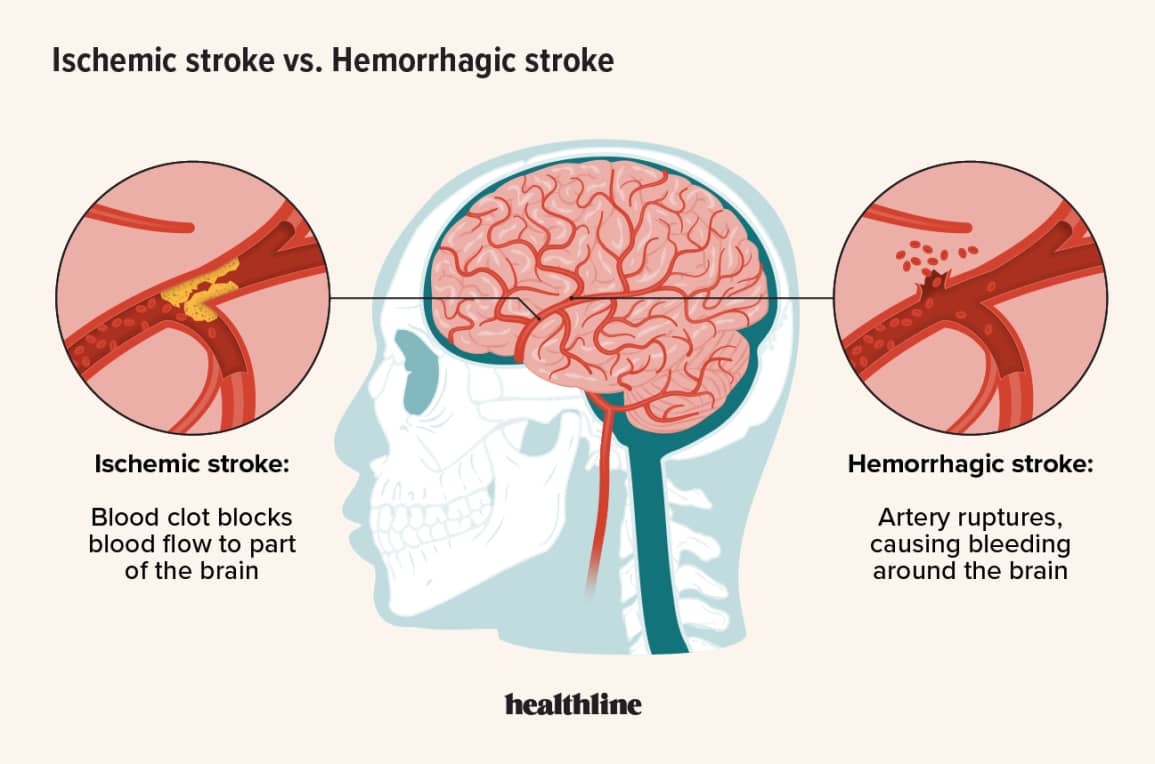
There are two ways this happens:
- The clot (ischemic). This is the vast majority, around 85% of all strokes. A clot blocks an artery supplying the brain, similar to a heart attack in the coronary arteries. Sometimes it forms in a narrowed vessel, such as the carotid artery, or travels from the heart, especially during atrial fibrillation.
- The bleed (hemorrhagic). Less common, but more deadly. Here, a blood vessel in the brain ruptures and bleeds. The number one driver? Chronically uncontrolled high blood pressure wears down a vessel wall over the years until it finally gives.
Most people have never heard of the TIA: the "mini-stroke."
A transient ischemic attack is a temporary stroke that typically resolves within minutes. The symptoms appear suddenly and then disappear.
Because they resolve quickly, many people dismiss it as nothing serious.
It's absolutely worth investigation.
A meaningful fraction of people who have a TIA will go on to have a full-blown stroke. If you ever have stroke symptoms that resolve, get to the emergency room.
BE-FAST: How to Recognize a Stroke
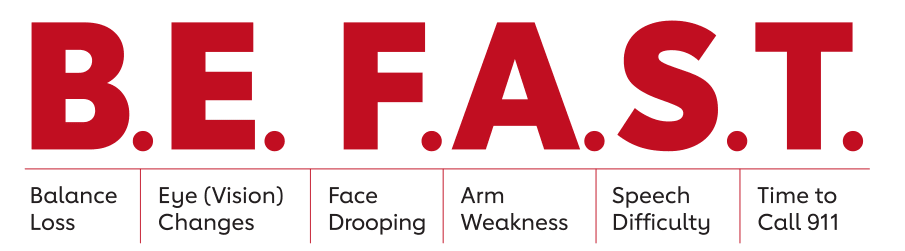
- B — Balance. Sudden loss of balance, dizziness, or trouble walking.
- E — Eyes. Sudden trouble seeing in one or both eyes, or double vision.
- F — Face. Ask them to smile. Does one side of the face droop?
- A — Arms. Ask them to raise both arms. Does one drift down?
- S — Speech. Ask them to repeat a simple sentence. Is it slurred or strange?
- T — Time. If you see any of these signs, it is time to call 911. Immediately.
These are the most common signs and symptoms at presentation but not the only ones. If there's any question, do not wait - call 911.
5 Things to Do/Avoid to Lower Your Stroke Risk
How can we avoid the problem in the first place?
Here are the most powerful levers to do or avoid that drastically reduce your risk of a stroke:
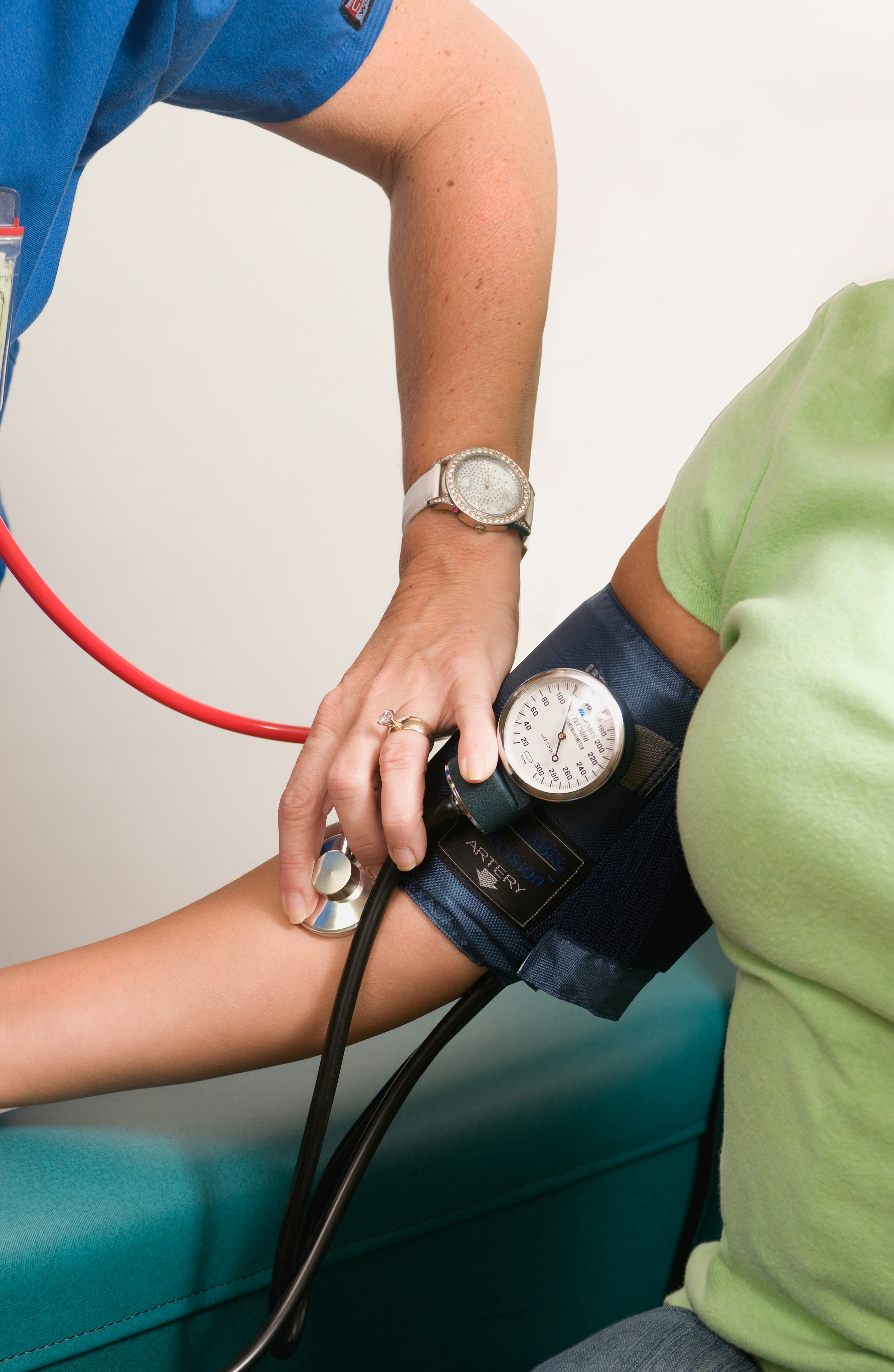
- Know and control your blood pressure - many people assume their blood pressure is fine or rely on a single annual reading at the doctor's office, which isn't enough to catch a real trend. Do yourself a favor and purchase a blood pressure cuff. Here is a full article on blood pressure.
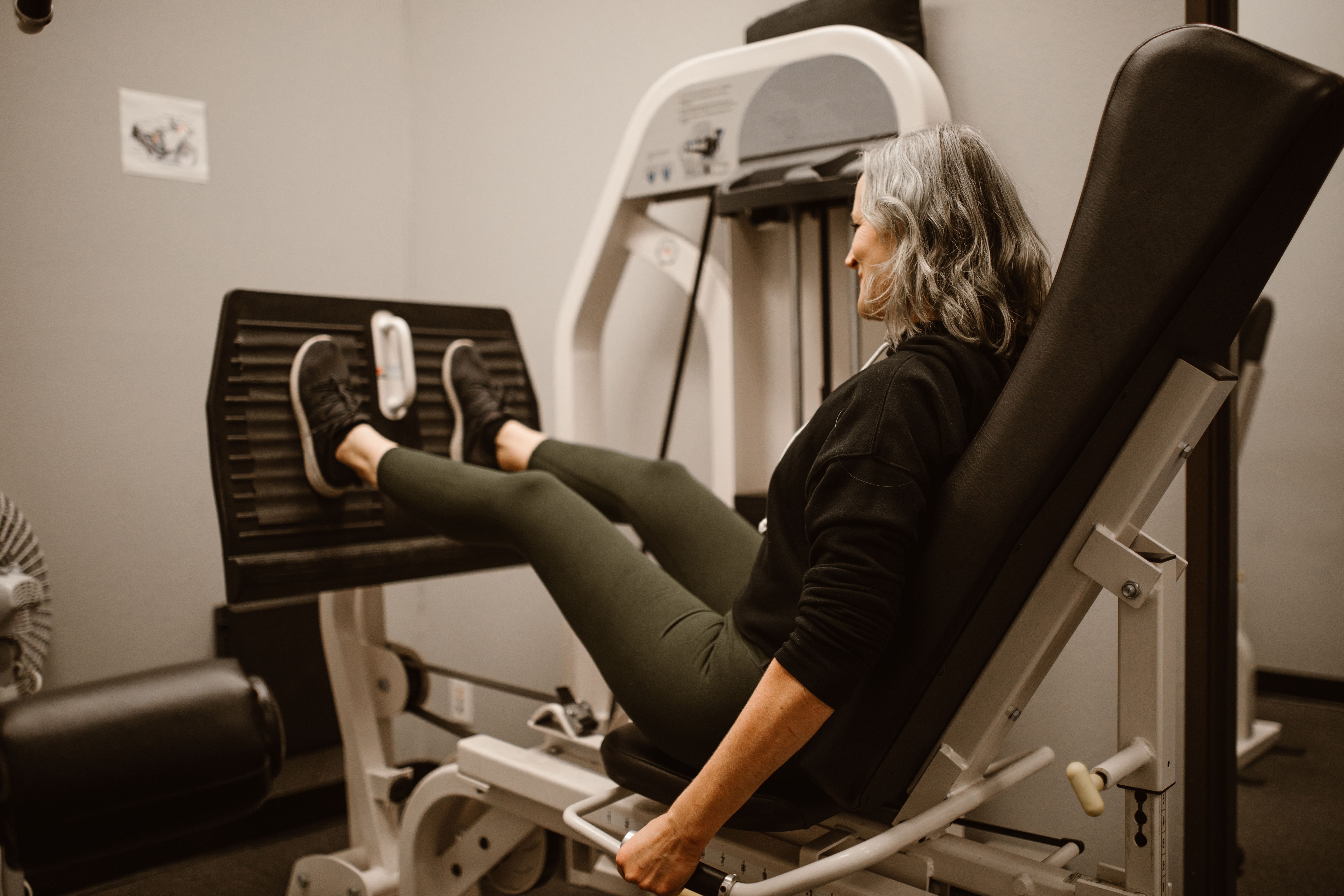
- Avoid physical inactivity. One of the most powerful tools we have against a stroke is exercise. Prioritizing moderate-to-vigorous physical activity moves the needle. On the flip side, avoid sedentary behavior, which is independently associated with increased stroke risk.
- Know your heart rhythm. Atrial fibrillation is one of the most common risk factors for stroke. Knowing your heart rhythm and having a plan for treatment with your physician is important for reducing your risk for stroke.
- Avoid smoking and vaping. Tobacco use approximately doubles the risk of stroke. Smoking anything damages your entire cardiovascular system, including the blood vessels in the brain. Quitting smoking can be one of the most transformative choices you can make.
- Avoid ultraprocessed foods as your foundation. Build meals around whole foods instead — the Mediterranean diet, rich in olive oil, nuts, and produce, has been shown to reduce major cardiovascular events, including stroke, by about 30% in at-risk populations (PREDIMED trial).
Bottom Line
If there is only one thing you take away from this newsletter article, it would be time = brain saved.
You now have 5 tools available to actively reduce your risk of stroke.
You are equipped to understand what a stroke is and the different types.
Finally, don't forget the acronym BE-FAST: if you, a family member, friend, or coworker experiences these symptoms, you'll know how to recognize them and, more importantly, act fast.
My Liposomal Supplement Stack
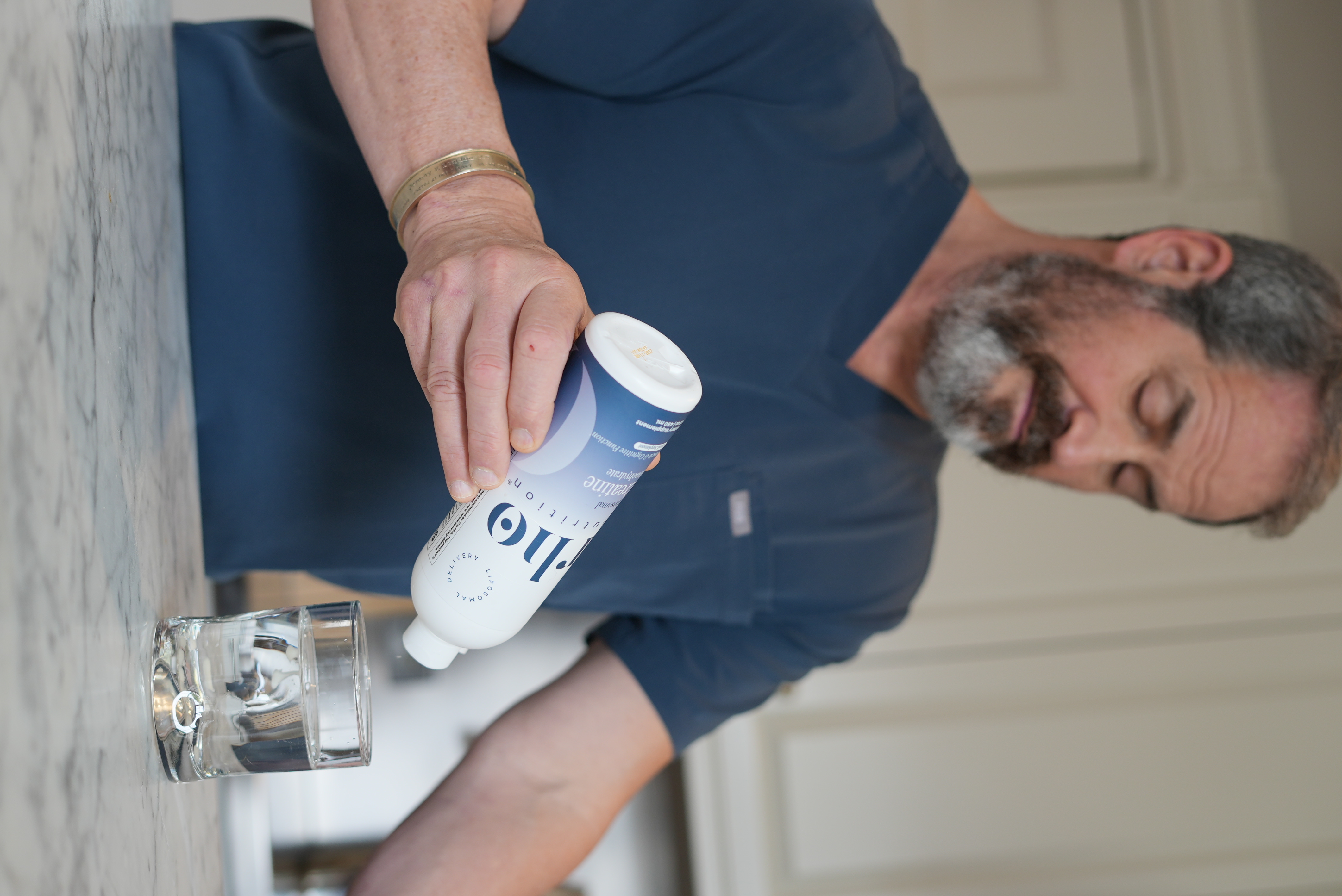
My current liposomal supplement stack is creatine, berberine, glutathione, and magnesium.
✔️ Creatine - Athletic & Cognitive Support
✔️ Glutathione - Master Antioxidant
✔️ Berberine - Metabolic Support
✔️Magnesium - Relaxation & Muscle Recovery
Why Rho?
Rho offers third-party-tested liposomal delivery products. Most pills and powders lose a significant amount of their active ingredient during digestion — Rho encapsulates each nutrient within a tiny liposome that survives the gut and ferries the compound intact into the bloodstream.
Liposomal delivery helps ensure that the vitamins and supplements you purchase are getting absorbed and not lost during digestion.
The founders, Ryan and George, firmly believe you will feel the Rho difference, but if you're not satisfied, they offer a 60-day money-back guarantee.
Get my liposomal supplement stack and save 20% with code LONDON at checkout
Only the best,
Jeremy London, MD
P.S. Don't forget to follow my podcast for free on Spotify or Apple Podcasts
Related Articles



.jpg)
.jpg)















































Subscribe for Free to Keep Reading
This content is free, but you must be subscribed to keep reading.