

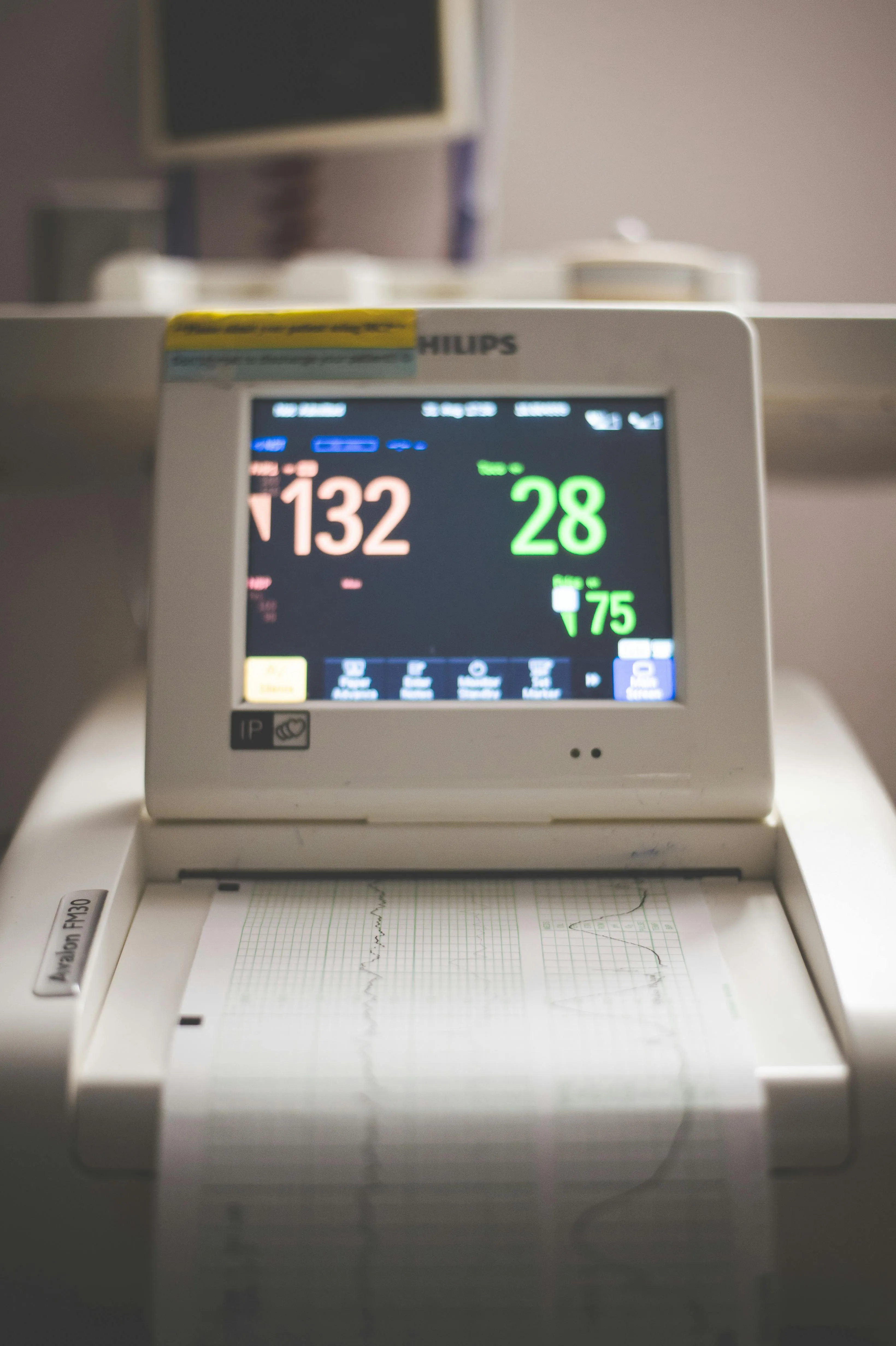
Heart disease is the #1 killer worldwide.
Despite heart disease claiming almost 20 million lives per year, there is a fundamental misunderstanding of what heart disease encompasses.
The term "heart disease" is a bit of a black box.
In today's newsletter, we will break down the most common forms of heart disease into three digestible buckets to help you better understand them.
Atherosclerotic Heart Disease
The heart is simply a muscle.
Ultimately, the heart functions just as a pump.
Any interference with how the pump functions or its efficiency can cause symptoms, affect quality of life, or increase your risk of mortality.
Your heart's pump needs fuel to operate.
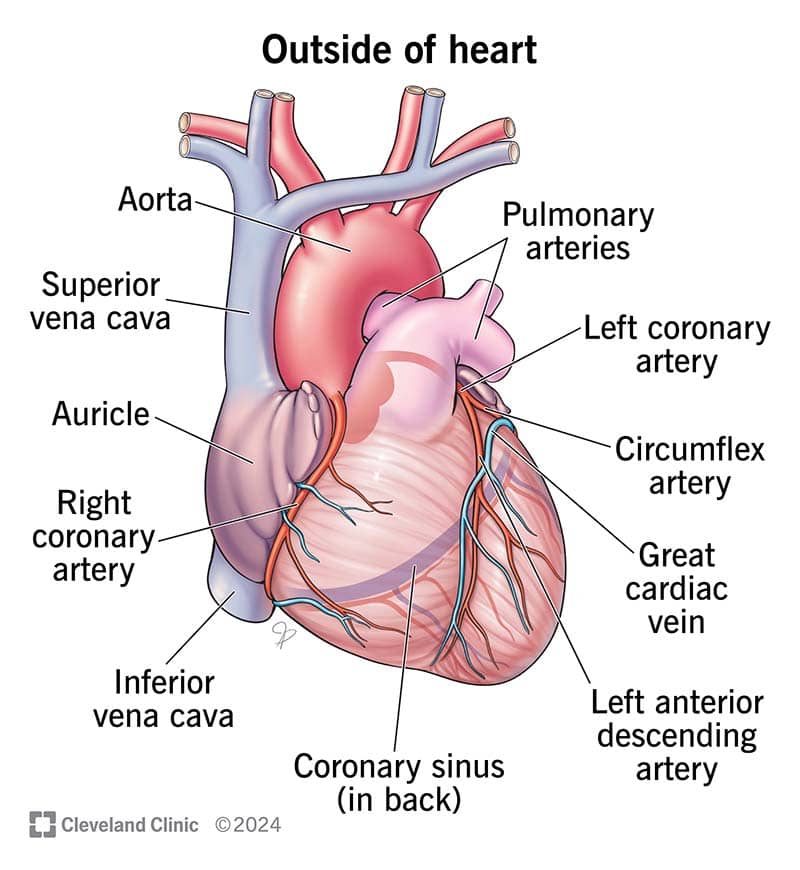
That fuel is blood, oxygen, and nutrients. The coronary arteries, which supply the heart muscle, run along the heart's surface.
If the coronary arteries become occluded (blocked), then the heart muscle loses its fuel source and becomes blood-starved, resulting in a heart attack.
Ischemic heart disease makes up approximately 50% of heart disease deaths, which is defined as the narrowing of the coronary arteries caused by plaque buildup (atherosclerosis).
This is what most people think of when they hear "heart disease."
A common misconception many patients have is that heart attacks occur "in" the heart when, in reality, heart attacks (typically) happen from outside the heart.
Lastly, if plaque progression is occurring in the coronary arteries, there should be suspicion that atherosclerosis is occurring throughout the body.
Pump & Structural Abnormalities
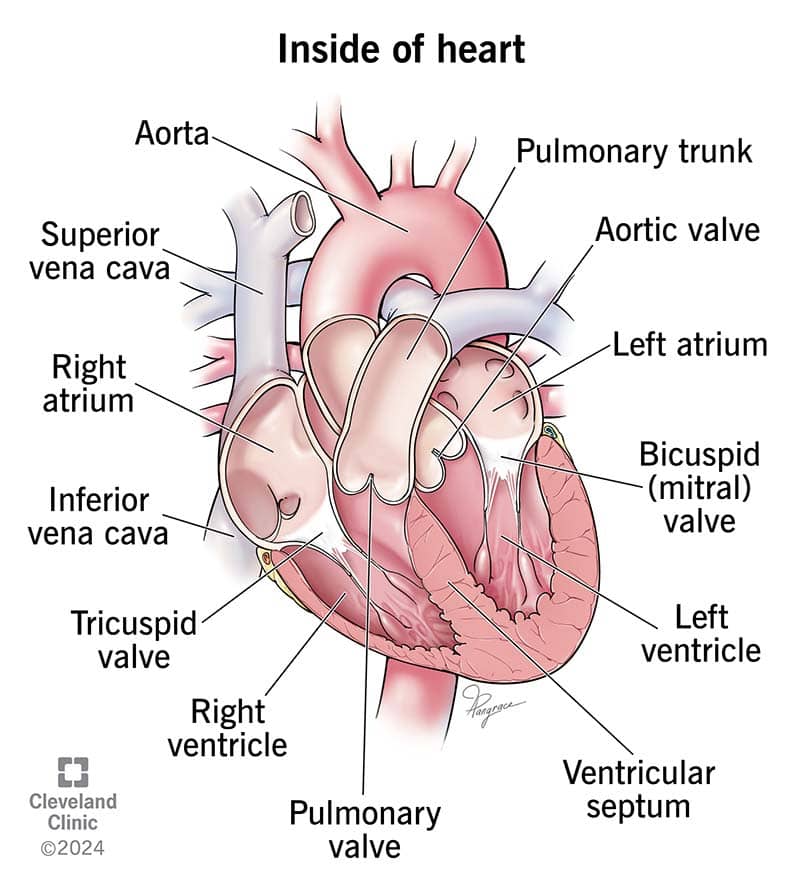
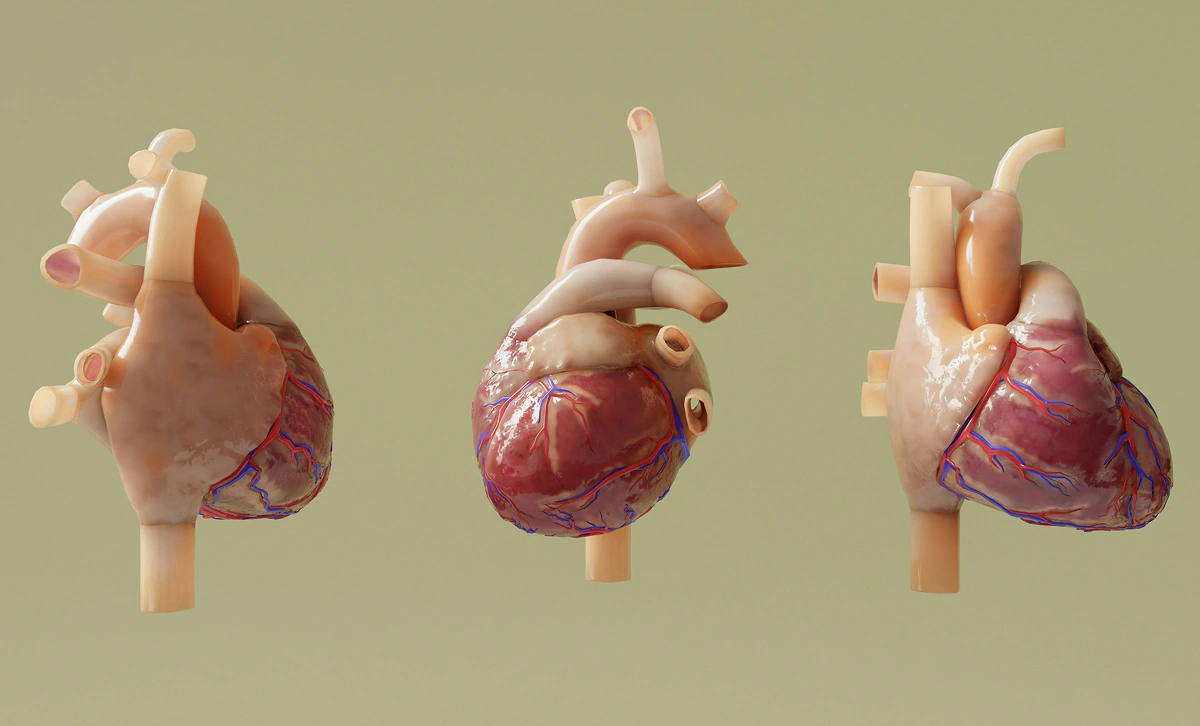
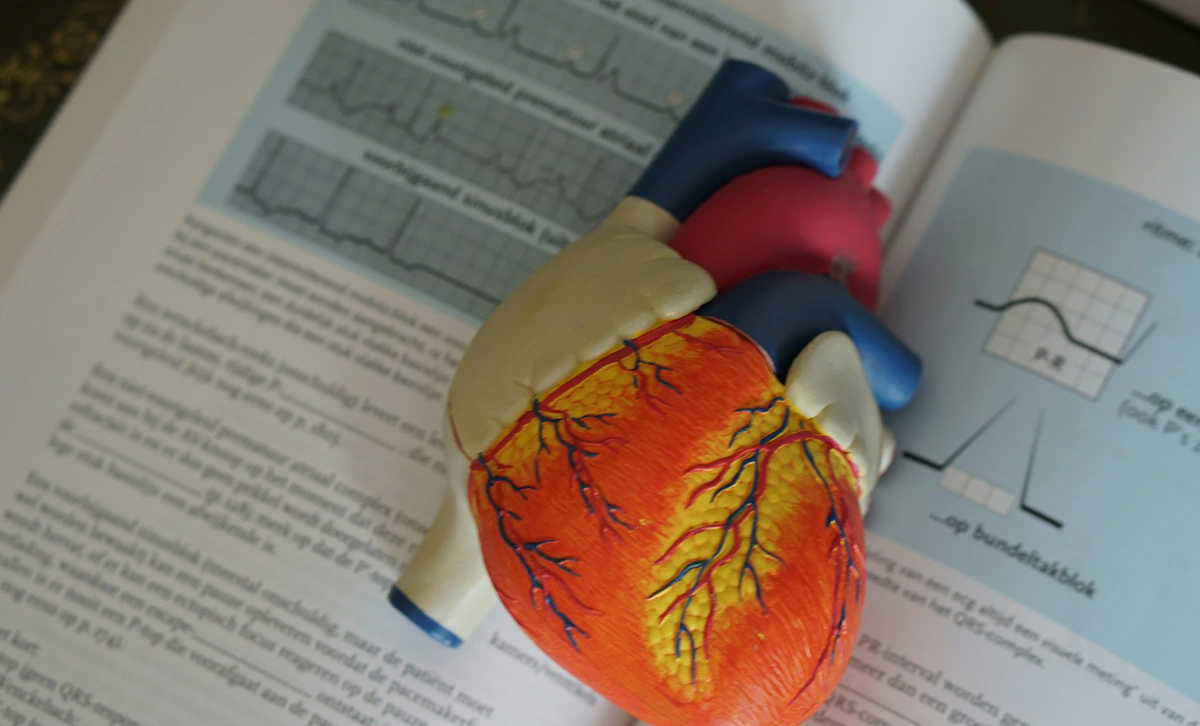
Quick lesson on the anatomy of the heart.
The heart has:
- 4 chambers: The top chambers receive and collect blood. The bottom chambers pump the blood out of the heart.
- 4 valves: one-way doors that are crucial for keeping blood flowing in the correct direction.
- 2 connected loops: the right side of the heart sends blood to the lungs for oxygen. The left side of the heart sends oxygen-rich blood to the rest of the body.
You can have two problems with valves: either a leaking valve or a blocked valve. Each comes with its own symptoms and problems.
20-30% of heart disease fatalities occur from structural problems.
Electrical Problems & Rhythm Disorders
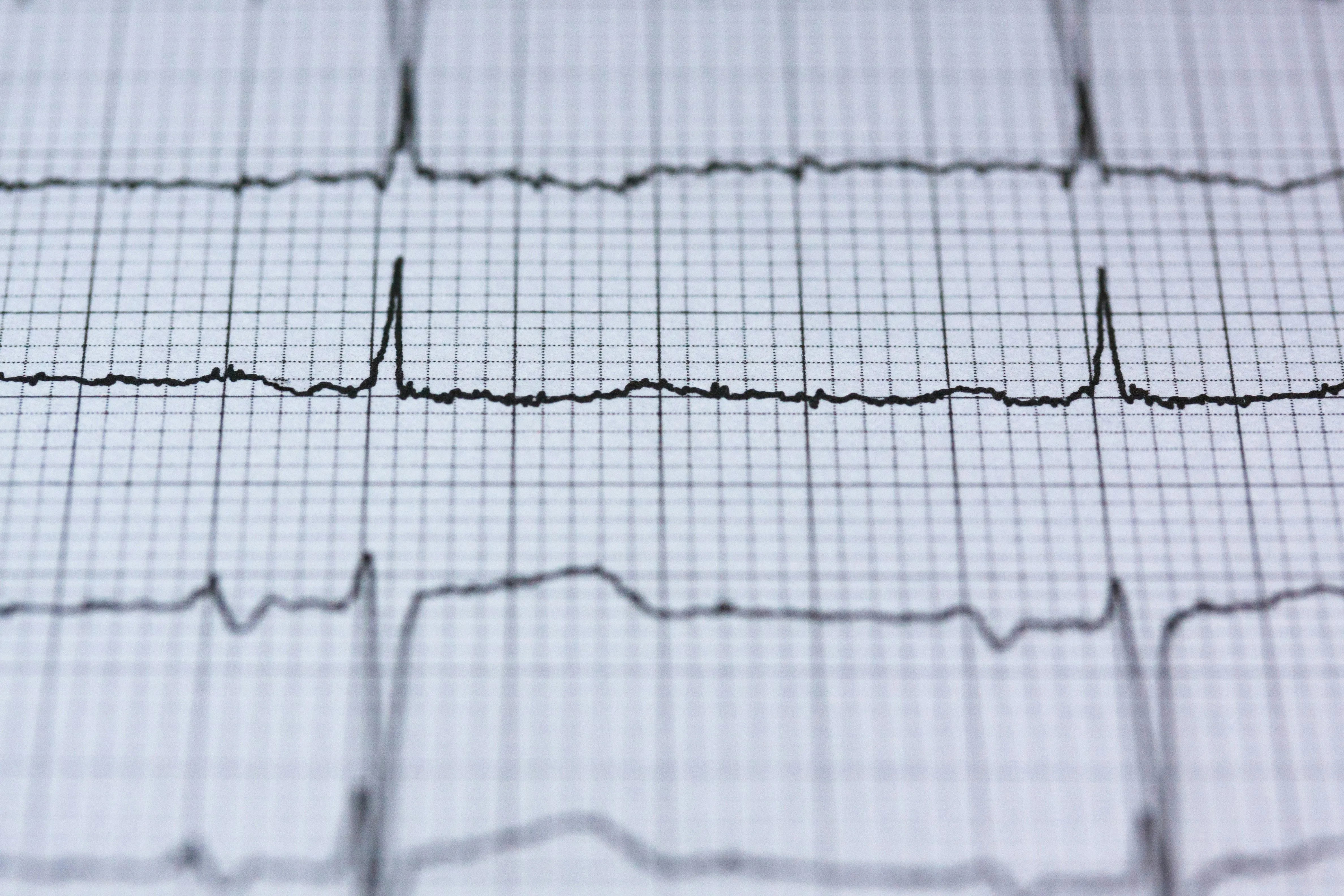
Just as a sufficient fuel supply is essential to power our heart, the heart also relies on its own electrical system.
Every heartbeat is triggered with a tiny electrical signal. Signals are sent by our natural pacemaker, the sinus node, to fill the top chamber first, then the bottom chamber fires to eject blood forward.
Sinus rhythm is efficient and effective at methodically moving blood throughout the body.
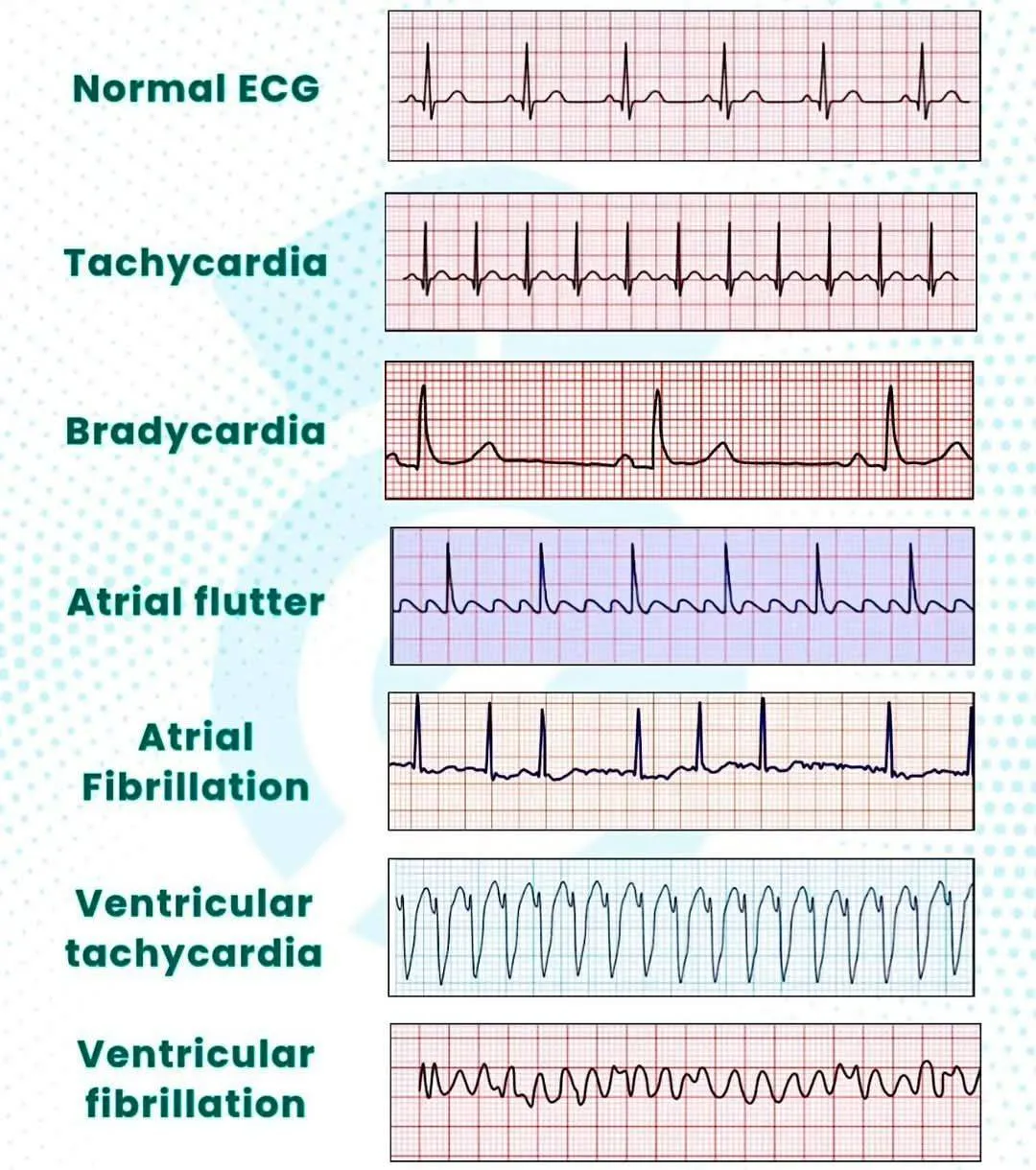
When rhythms become too fast, too slow, or chaotic, this is called an arrhythmia. These arrhythmias can range from completely harmless to life-threatening.
Atrial fibrillation (AFib) is the most common arrhythmia worldwide.
Though arrhythmias account for the least amount of deaths in the heart disease buckets, many sudden deaths happen because the heart's electrical system stops working properly.
The Bottom Line
The next time you hear or see the term "heart disease," you will be more equipped to know what this may mean.
This newsletter isn't meant to scare you, but to ensure you understand the basics of heart function and heart disease.
Modern medicine offers treatment for many of these conditions.
As the CEO of your health, it is important that we understand the basics of the #1 cause of death worldwide.
Knowledge and understanding are powerful.
It's best to learn about these topics before you're sitting across from a physician in their office.
Get Your Health Baseline For 2026
Health isn’t just what you see in the mirror—it’s what’s happening inside your body.
Your lab markers are your instruction manual. Knowing what’s in range—and especially what’s out of range—lets you personalize your health instead of guessing.
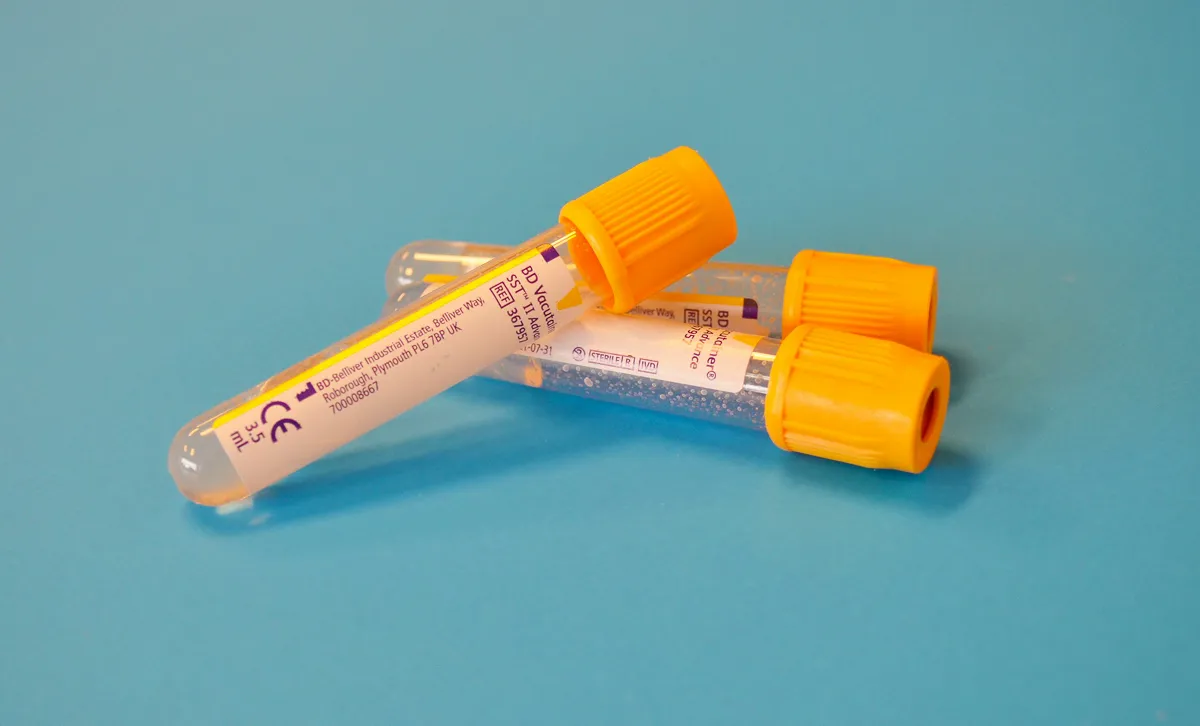
Function Health is an all-in-one health platform that starts with 160+ lab tests, covering your heart, hormones, liver, kidneys, thyroid, immune system, cancer signals, toxins, and key nutrients.
That’s about 5× more testing than standard primary care labs—bloodwork that would normally cost thousands of dollars out of pocket.
Scheduling is simple, with 2,000+ lab locations across the U.S., and most visits take around 15 minutes.
Once your results are ready, you receive a clear, comprehensive summary written by Function’s clinical team—and if anything urgent shows up, a clinician calls you directly.
With real data and personalized insights, you can take action, retest over time, and actually track whether what you’re doing is working.
This is the exact blood test my family and I get every six months.
Click here to sign up for Function Health for less than $1/day
Only the best,
Jeremy London, MD
P.S. Don't forget to follow my podcast for free on Spotify or Apple Podcasts
Related Articles


.jpg)




.jpg)
.jpg)































































Subscribe for Free to Keep Reading
This content is free, but you must be subscribed to keep reading.