"Education is what remains after one has forgotten everything he learned in school." — Albert Einstein
It's daunting to imagine that I graduated from medical school over 30 years ago.
Many assume that you learned the lion's share of medical information during your time in medical school.
In reality, your medical education begins after.
I want to be clear that, in no way, was my medical school wrong in its teachings. I was well prepared for the next chapter.
You can only make decisions based on the information at hand. At the time, we were being taught the cutting edge.
In today's newsletter, I want to share 11 lessons I wish I had learned in medical school that I learned after practicing medicine for 30 years.
11 Lessons I Wished I Learned in Medical School
1. As physicians, we can save you. But we cannot heal you.
Let me explain what I mean by that, because it's a distinction that I think gets missed.
If you come to the hospital with a heart attack, stroke, a ruptured aortic aneurysm, a potassium level of 7, a blood pressure of 230 over 130, or a perforated viscus, modern medicine is spectacular at saving your life.
We can keep you alive.
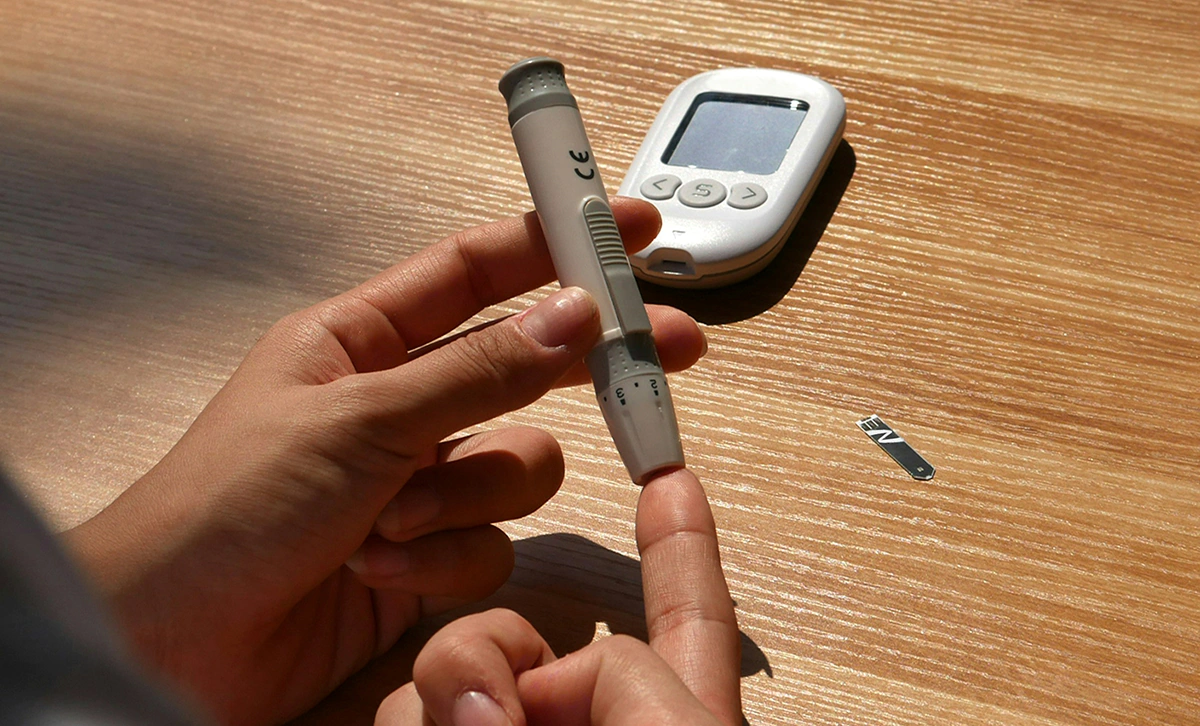
But preventing the hospital visit—either initially or once the acute event has passed—the chronic management of why you ended up in the hospital in the first place—that is not something we can do for you. That requires you. That requires your engagement, your accountability, your agency in the decisions about your life.
I cannot make you sleep. I cannot make you eat real food. I cannot make you walk after dinner. I cannot make you lift heavy things twice a week. I cannot make you quit drinking. I cannot make you go to bed at a reasonable hour. I cannot make you fill the prescription. I cannot make you keep the follow-up appointment.
I can save your life. I cannot live it for you.
This is not me lecturing patients. This is me being honest about the limits of what I do. And it's why everything I'm about to share with you matters.
2. Effective healthcare is built on the doctor-patient relationship.
Everything else — the imaging, the labs, the operations, the prescriptions — is built on top of the relationship.
If the relationship is wrong, none of it works as well as it should.
It is an honor and a privilege to care for patients.
To be allowed into the most vulnerable moments of another human being's life — to be trusted with their body, their fears, their family, their mortality — that is the part of this job that has never gotten old. That is where I find the most reward.
And on the other side of that relationship, the patient has a job too.
Your job is to engage. Be accountable. Bring your full agency to the decisions we make together. I am not the captain of your health. I'm a consultant. You are the captain. I'll give you the best information I can, but the decisions are yours.
3. It's more important to do the right thing than to be right.
Ego kills patients.
I will say that again because I mean it. Ego kills patients.
Listen to your colleagues. The nurse who has been on the floor for twenty years.The anesthesiologist who's seen ten thousand cases.The resident who noticed something at three in the morning.
And if you are not comfortable with a problem, refer it to someone else. Send it to someone who is. I would rather be a surgeon who knows when to refer than one who operates because his ego can't tolerate not operating.
Take care of your patients as if they were your family. Because somewhere, they are.
Evidence has a hierarchy and humility.
Much of what I was taught with confidence in medical school has since been overturned or amended. Much of what I teach today will be overturned or amended in the future.
“Strong beliefs, loosely held.”
4. Atherosclerosis is something you have, not something you get.
This is a paradigm shift I want everyone reading to understand.
We tend to think of heart disease as something that happens to you in your fifties or sixties. You get chest pain, you get a workup, you get a diagnosis. The disease 'arrived'.
The disease has been there the whole time.
The PDAY study — Pathobiological Determinants of Atherosclerosis in Youth — looked at the coronary arteries of young people who had died of unrelated causes, mostly trauma. Healthy young adults, in their teens and twenties. Most of them already had atherosclerosis. Fatty streaks. Early plaque.
Three-year-old children have fatty streaks in their aortas. Three-year-olds.
Atherosclerosis is not something you get at sixty. It is something you have at three, and it progresses throughout your entire life. The question is not whether you have it. The question is how fast it is progressing, and what you are doing about it.
Which is why prevention is exponentially more powerful than treatment. By the time I'm operating on your coronaries, the disease has been working for fifty years. The interventions that would have moved the needle the most happened forty years before you walked into my clinic.
5. Chronic inflammation is an engine behind most diseases.
This is one of the most important conceptual shifts of my career, and as a cardiac surgeon, I have a front-row seat to it.
When I trained, atherosclerosis was a plumbing problem. Cholesterol in. Plaque on the walls. Narrowing. Blockage. Heart attack. Plumbing.
Now we understand atherosclerosis is an inflammatory disease. The plaque is not just a passive accumulation — it is an active, inflammatory process in the arterial wall.
The same chronic low-grade inflammation drives diabetes, drives Alzheimer's risk, drives depression, drives cancer, and drives autoimmune disease.
Inflammation is the common soil. And almost everything I'm going to talk about in the rest of this list — sleep, food, exercise, stress — comes back to whether you are turning the inflammation dial up or down.
6. Mental health is physical health.
The mind-body split ran deep in my training. Psychiatry was over there. Real medicine was over here. That was wrong, and it caused real harm.Depression is an independent cardiovascular risk factor. Anxiety drives sympathetic tone and blood pressure. Chronic stress raises cortisol, drives visceral fat, disrupts sleep, suppresses immunity, and accelerates atherosclerosis. Research suggests loneliness carries cardiovascular risk comparable to smoking.
The brain is not fixed after childhood.
Neuroplasticity in adults was not on my radar in medical school. The teaching was essentially: your brain finishes developing, and then you have what you have. Stroke recovery was supposed to plateau at six months. Habit change was about willpower. Cognitive decline was a one-way trip.
That was also wrong. The adult brain is plastic. It rewires. It compensates. It can be trained. Stroke patients can keep improving for years if they keep working. Habits can be rebuilt. Cognitive function in older adults responds to exercise, sleep, social engagement, and learning new things.
Tell that to your seventy-year-old who thinks it's too late to learn the piano.
7. Move more, more often.
If exercise were a pill, it would be the most-prescribed medication on Earth. There is no supplement, no nootropic, no peptide, no hormone, no intervention I can think of that comes close.
Even if you exercise in the mornings. Avoid being sedentary. Move throughout the day. Walks, air squats, whatever you enjoy.
Exercise lowers all-cause mortality. It lowers cardiovascular mortality. It lowers cancer mortality. It improves cognition. It improves mood. It improves sleep. It improves insulin sensitivity. It improves bone density. It improves your skin.
If you do nothing else on this list, move your body.Cardio is less about burning calories and more about heart health.
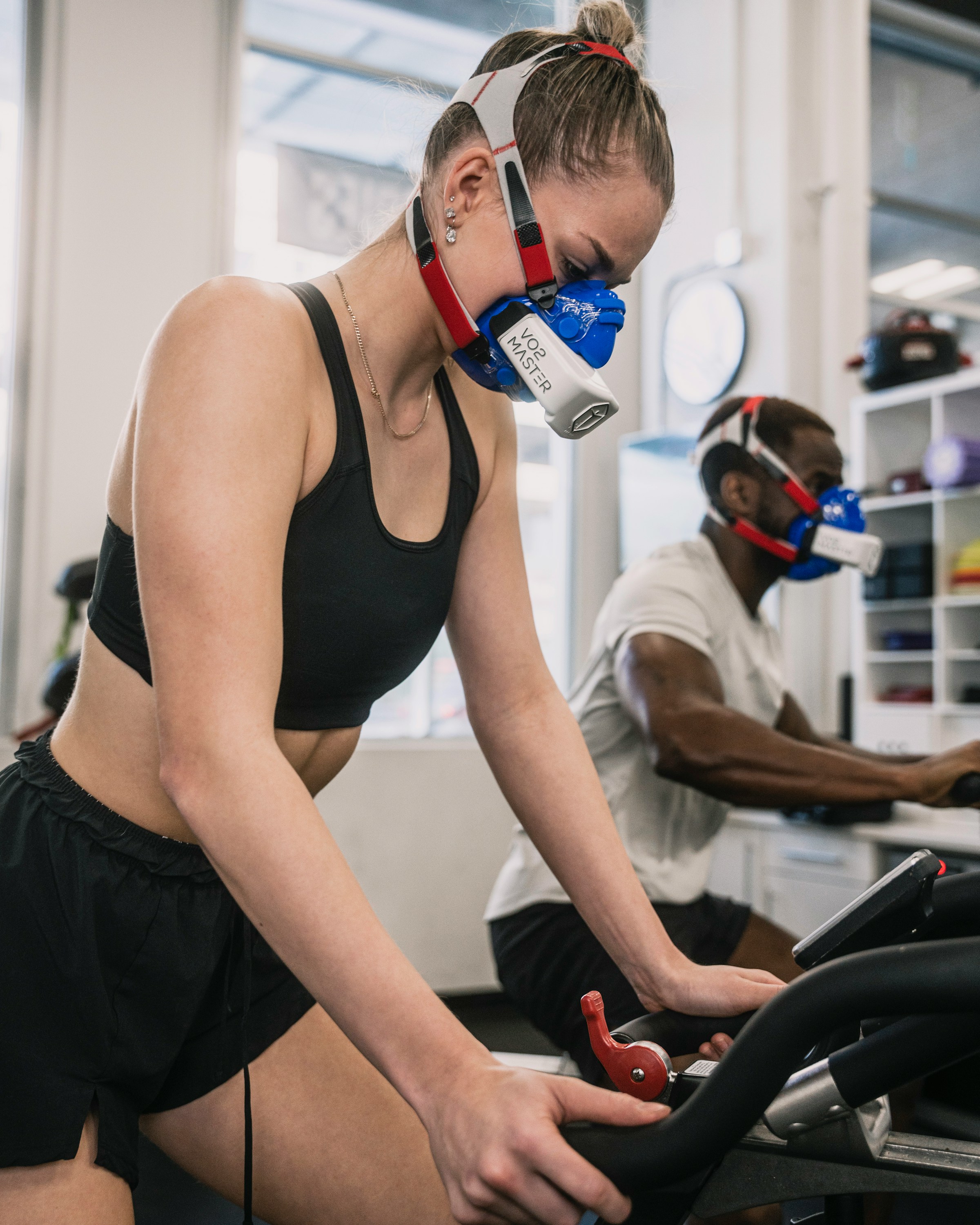
VO2 max is not just for elite athletes.
For decades, we thought of VO2 max as a metric for endurance athletes. Something marathoners and cyclists cared about.
Wrong. VO2 max is one of the strongest predictors of all-cause mortality. The difference between being in the lowest fitness category and the highest fitness category, in terms of risk of dying, is larger than the risk associated with smoking, with hypertension, and with diabetes.
You do not have to become an elite athlete.
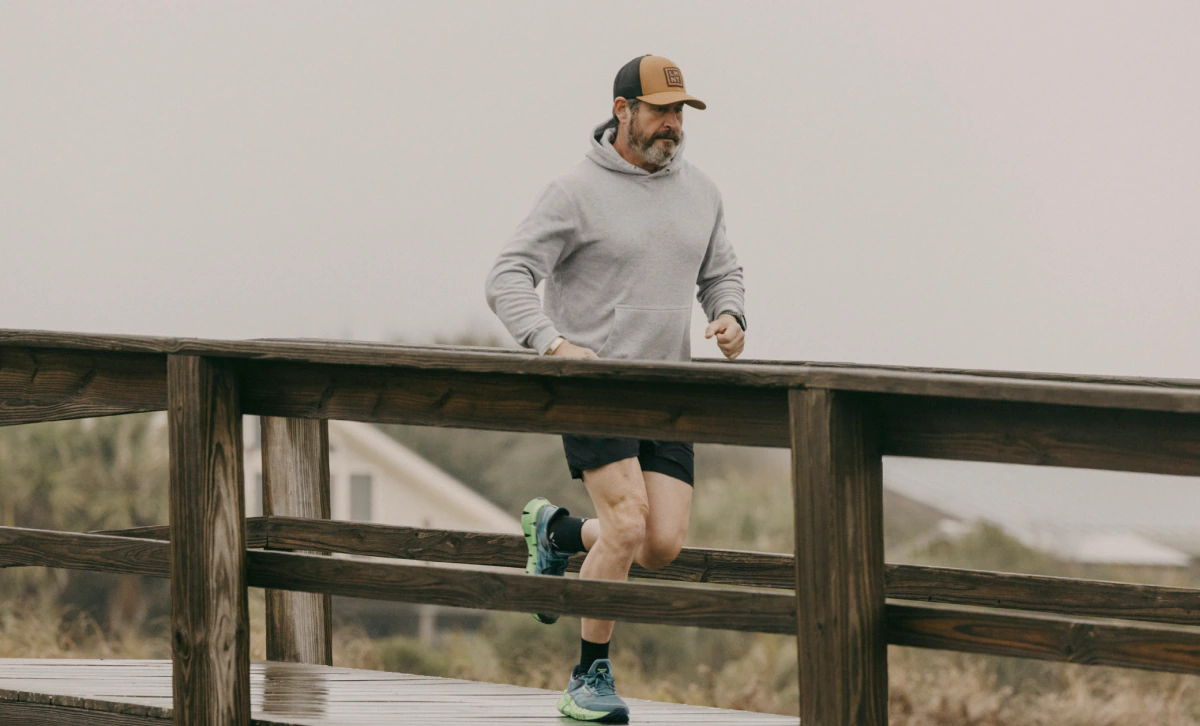
You want to avoid being at the bottom of the distribution. Zone 2 cardio a few times a week. Some higher-intensity work occasionally. Your future self will thank you.
8. It is never too late to start exercising.
I think people give up on themselves too early.
There are studies of people starting exercise programs in their seventies and eighties who gain measurable muscle mass, improve their VO2 max, improve their balance, reduce their fall risk, and improve their cognition. People who had never exercised in their lives.
It is never too late. The benefit curve is steepest at the bottom — meaning the person going from zero to a little bit of exercise gets a bigger relative benefit than the person going from a lot to a little bit more.
If you are reading this and thinking, 'Well, the train has left the station for me,' it has not.
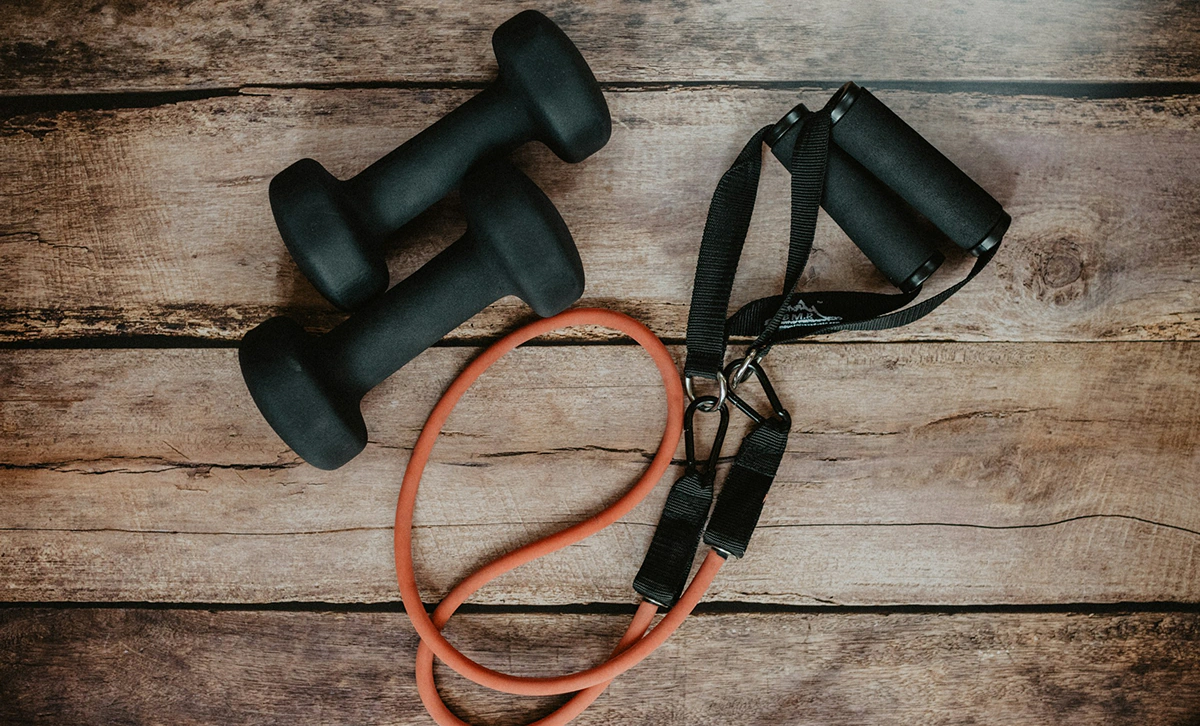
Start today. Start small. Walk to the mailbox. Do five sit-to-stands from a chair. Pick up a dumbbell. The train is still in the station.
Muscle is the organ of longevity.
This was not in my medical school curriculum. We talked about muscles in anatomy and in orthopedics. We did not talk about muscle as an endocrine organ, as a metabolic organ, as the place where you store and dispose of glucose, or as the tissue that protects you from frailty in your final decades.
Strength training is not optional.
It is not a hobby for gym people. It is medicine. Sarcopenia — the loss of muscle mass with age — is one of the strongest predictors of how your last twenty years are going to look. You can prevent it. You have to lift things.
Cardio is not enough. You need both. Cardio for the heart.Resistance training for the muscle, the bone, and the metabolic system.
9. Food is medicine.
This is the one that took me the longest to fully internalize, and I'll be honest about that.
I trained in an era when nutrition received about 2 hours of formal instruction over 4 years of medical school. Two hours. For the thing that you put in your body multiple times a day, every day of your life, that is the substrate for every metabolic process you have.
Food is medicine.
Ultra-processed food dietary patterns are a slow poison.
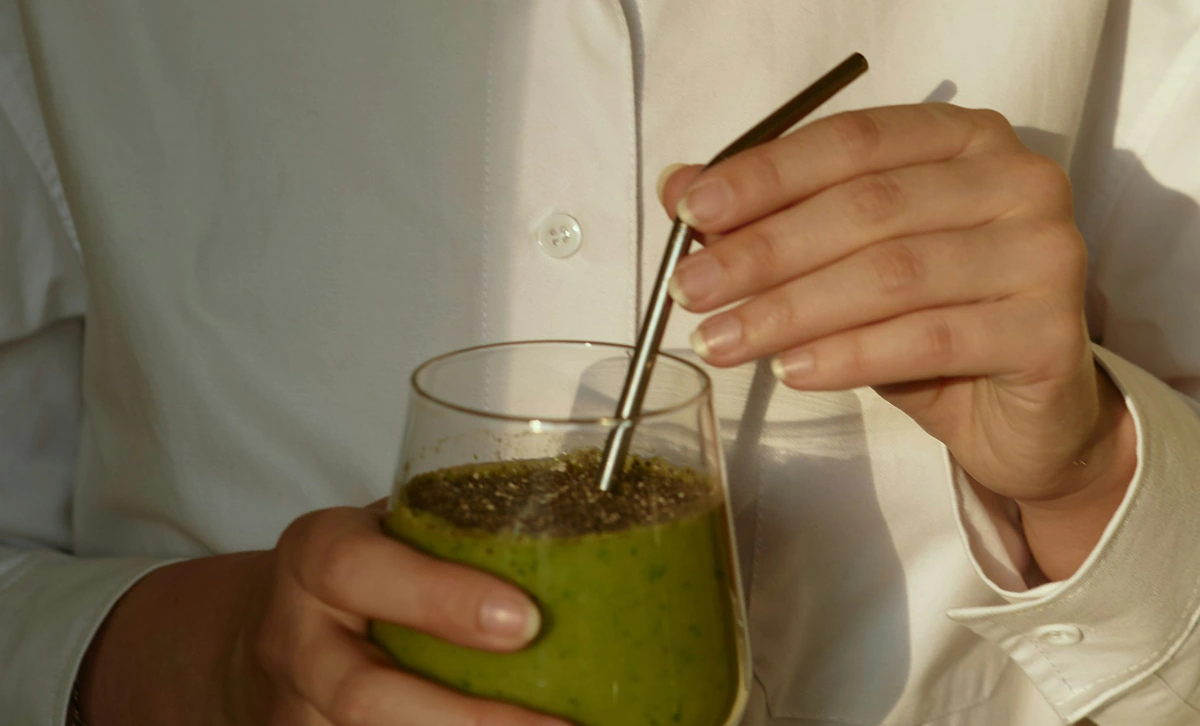
Largely whole-food dietary patterns, the patterns that emphasize plants and fiber and protein and healthy fats — these are not lifestyle choices. They are interventions. They lower cardiovascular events. They lower cancer risk. They lower dementia risk.
I cannot prescribe a diet for you to follow. But I can tell you that what you eat is more powerful than most of what's in my prescription pad.
The microbiome is real, and we used to ignore it.
When I trained, gut bacteria were essentially the 'stuff' that helped you digest food. Maybe caused some diarrhea if you took too many antibiotics. That was the extent of the conversation.
Now we understand the gut microbiome is a central player in immune function, metabolism, inflammation, mood regulation, and even how patients respond to medications, including chemotherapy.
And we used to hand out antibiotics like candy. Pediatric ear infection? Z-Pack. Sinus pressure? Z-Pack. Bronchitis that's probably viral? Z-Pack. We were carpet-bombing an ecosystem we didn't understand.
Today, I think a lot more carefully about whether a prescription for antibiotics is necessary. And I think every clinician should.
10. Sleep is king.
If your sleep is off, everything else is off. Your blood pressure is off. Your glucose is off. Your hormones are off. Your appetite regulation is off. Your immune system is off. Your judgment is off. Your mood is off.
Sleep is the body's time to repair itself, during which the brain clears metabolic waste via the glymphatic system, memory consolidation occurs, growth hormone is released, and the cardiovascular system undergoes its longest recovery period of the day.
You cannot train hard, eat well, manage stress, and then sleep five hours and expect the rest to work.
Sleep is not optional. Sleep is foundational. Recovery is when your body repairs itself. If you train hard but don't recover, you are not building. You are accumulating damage.
Protect your sleep as if it were your most expensive medication. Because it is your most effective one.
11. The cholesterol story is more complicated than just LDL.
LDL matters. Let me be clear about that. LDL cholesterol is causally linked to atherosclerosis. The evidence is overwhelming. Lower is better, and earlier is better.
But the story doesn't end at LDL. Apolipoprotein B — ApoB — is in many ways a better marker, because it counts the actual number of atherogenic particles. Lipoprotein(a) — Lp(a) — is a genetically determined risk factor that we essentially never measured when I trained, and that profoundly affects risk in a meaningful fraction of patients. Triglycerides matter. Particle size matters.
If your physician is only checking a basic lipid panel and stopping there, the conversation is incomplete. Ask about ApoB. Ask about Lp(a) at least once in your lifetime.
Understand your full risk profile.
Progress From Willingness to Change
So that's the list. For now.
I'm emphasizing 'for now' because this will keep evolving. The list I shared ten years ago wasn't the same as today’s, and ten years from now, it won't be the same either. Some of what I say today might seem exaggerated in the future, while other parts may be underestimated. Additionally, some aspects could be completely replaced by new developments I haven't encountered yet.
That's not a problem. That's the practice of medicine.
The practice of medicine is the art of medicine — and the art of medicine is the evolution of knowledge built on what you know now, your experience, and your willingness to change.
First, do no harm. And to remember that it is always more important to do the right thing than to be right.
I started by admitting that as physicians, we can save you, but we cannot heal you. I want to come back to that, because it cuts both ways.
It is the limit of what I do. But it is also the gift of what you can do. The chronic management of your health — the food, the movement, the sleep, the relationships, the meaning — that is not the doctor's domain. That is yours. And it is the most powerful domain in this entire conversation. The things you do every day, between visits to me, do more for your life and longevity than anything that happens in my operating room.
That should be empowering. It is, for me.
After thirty years of doing what I do, the thing I'm most certain of is that the patient sitting across from me has more power over their outcome than I do.
My job is to give them the information, earn their trust, do my piece skillfully when the acute moment comes — and then get out of the way and let them live their life.
Stay curious. Stay open. Keep learning. And take care of yourself like your future depends on it. Because it does.
My Go-To Sleep Supplement
The past few years, I have been on a mission to improve my sleep, and a staple for me has been Rho's Liposomal Magnesium.
I feel a noticeable difference when falling asleep after taking magnesium.
Why Rho?
Rho offers third-party-tested liposomal delivery products. Where most pills and powders lose a significant amount of the active ingredient during digestion. Rho encapsulates each nutrient within a tiny liposome that survives the gut and ferries the compound intact into the bloodstream.
Liposomal delivery helps ensure that the vitamins and supplements you purchase are getting absorbed and not lost during digestion.
The founders, Ryan and George, firmly believe you will feel the Rho difference, but if you're not satisfied, they offer a 60-day money-back guarantee.
TRY RHO FOR YOURSELF
Only the best,
Jeremy London, MD
P.S. Don't forget to follow my podcast for free on Spotify or Apple Podcasts



.jpg)




.jpg)
.jpg)