


When most people think of exercise to protect the heart, they only assume cardiovascular training. Running, cycling, rowing, etc.
These absolutely matter, but many people overlook strength training.
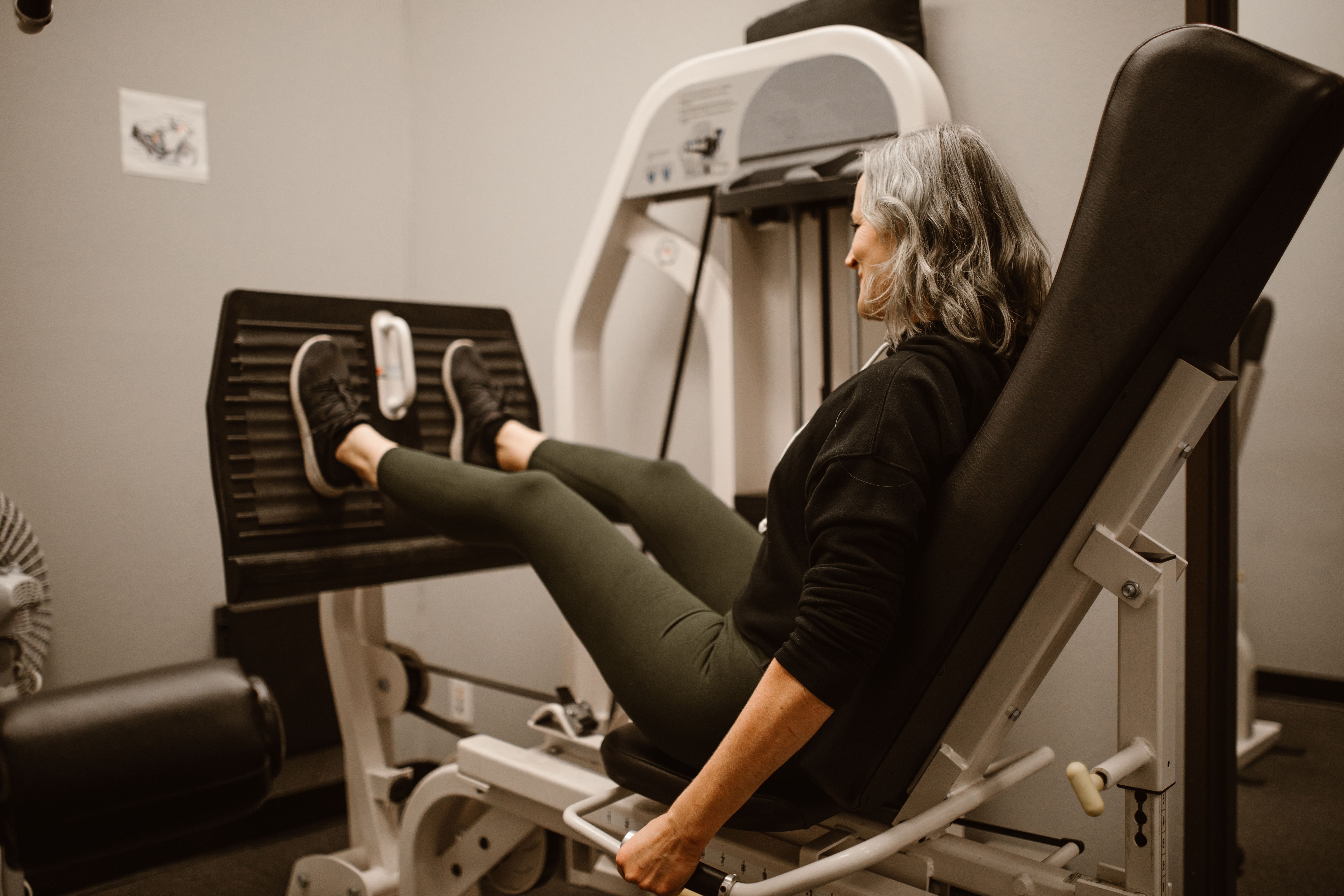
Let's be honest, many of us (especially guys) dread leg day. It's challenging, uncomfortable, and draining.
However, I can't stress the importance enough.
Muscle mass plays a crucial role in maintaining overall health.
In today's newsletter, we will explore how leg day (and resistance training) can help prevent a heart attack.
Muscle for Cardiovascular Health
Muscle is a key predictor of overall health and longevity.
Your legs and lower body make up the largest muscle group in your body, so if your goal is to build muscle and improve metabolic health, your legs deserve serious attention.
Muscle is metabolically active.
- Pulls glucose out of your bloodstream
- Improves insulin sensitivity
- Acts as a "sink" for excess glucose
When you train your legs, you’re not just "building muscle.”
You’re improving your body’s ability to manage fuel.
Poor fuel management—specifically, insulin resistance—is one of the biggest drivers of heart disease.
Why Combating Insulin Resistance Is So Important
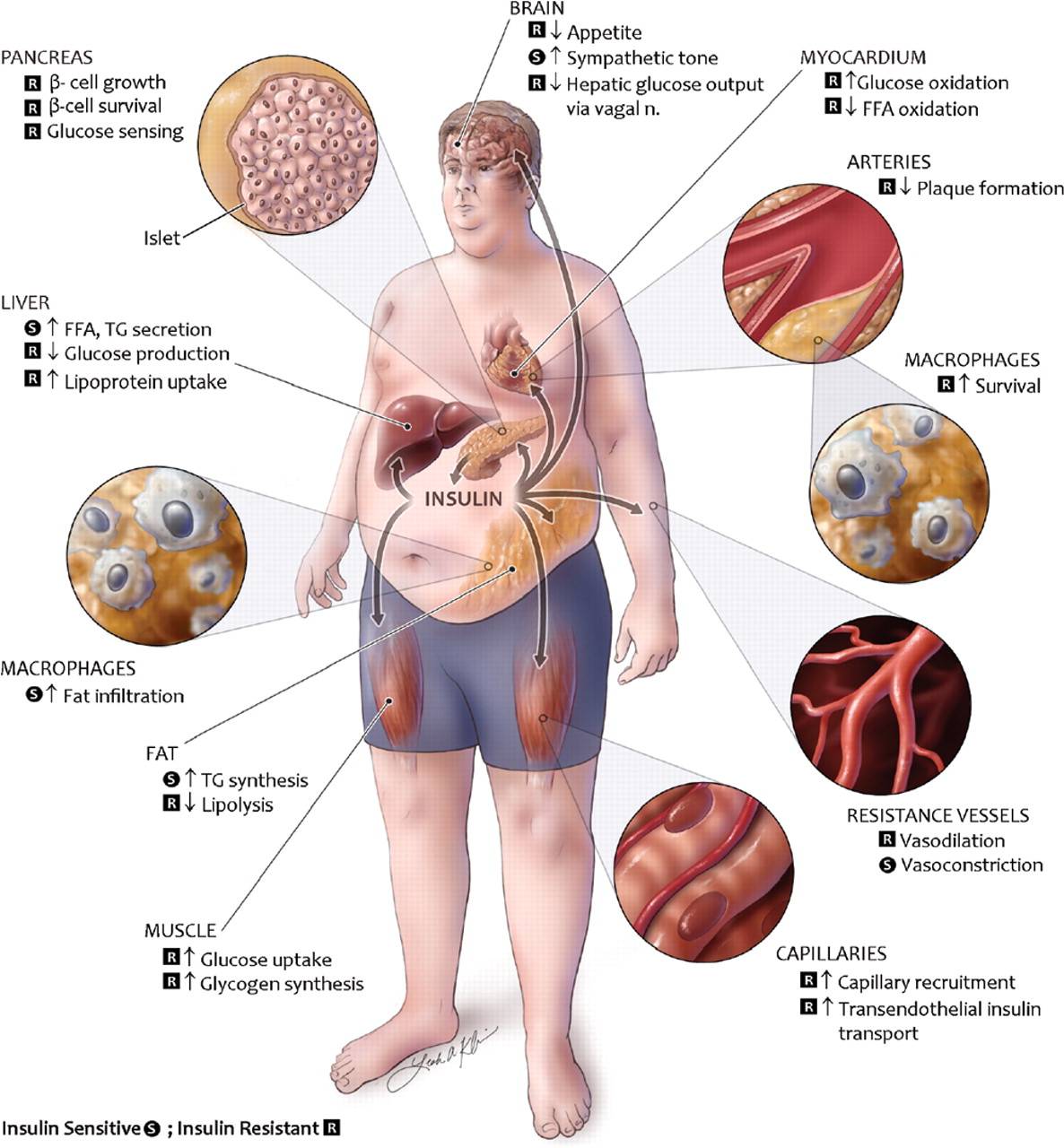
The Insulin Resistance → Heart Disease Cascade. Let’s simplify this.
In a healthy, balanced system, your blood sugars rise after a meal, and insulin is released, driving excess glucose into muscles and tissues.
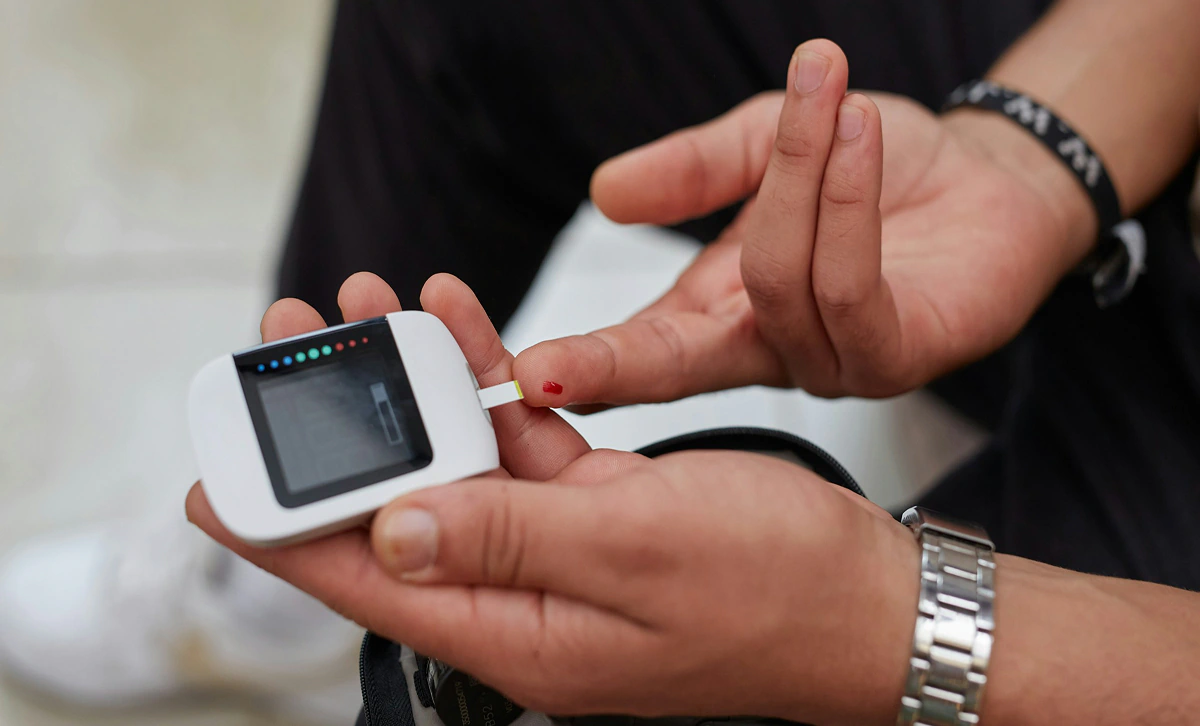
When your body becomes insulin-resistant, your blood sugar rises after a meal. Insulin is then released, but your tissues resist the insulin signal, so your blood sugar remains high.
Chronically elevated blood sugar levels increase inflammation and can damage blood vessels. This speeds up the atherosclerosis (plaque accumulation) process, increasing your risk of heart attack and stroke.
Now here’s where leg day comes in.
Large muscle groups—like your legs—are the most effective tissues for clearing glucose from the blood.
When you train them:
- Your muscles become more sensitive to insulin
- They absorb glucose more efficiently
- Your blood sugar stabilizes
- Your metabolic health improves
Muscle is crucial for metabolic health.
What Happens to Your Body When You Train Legs
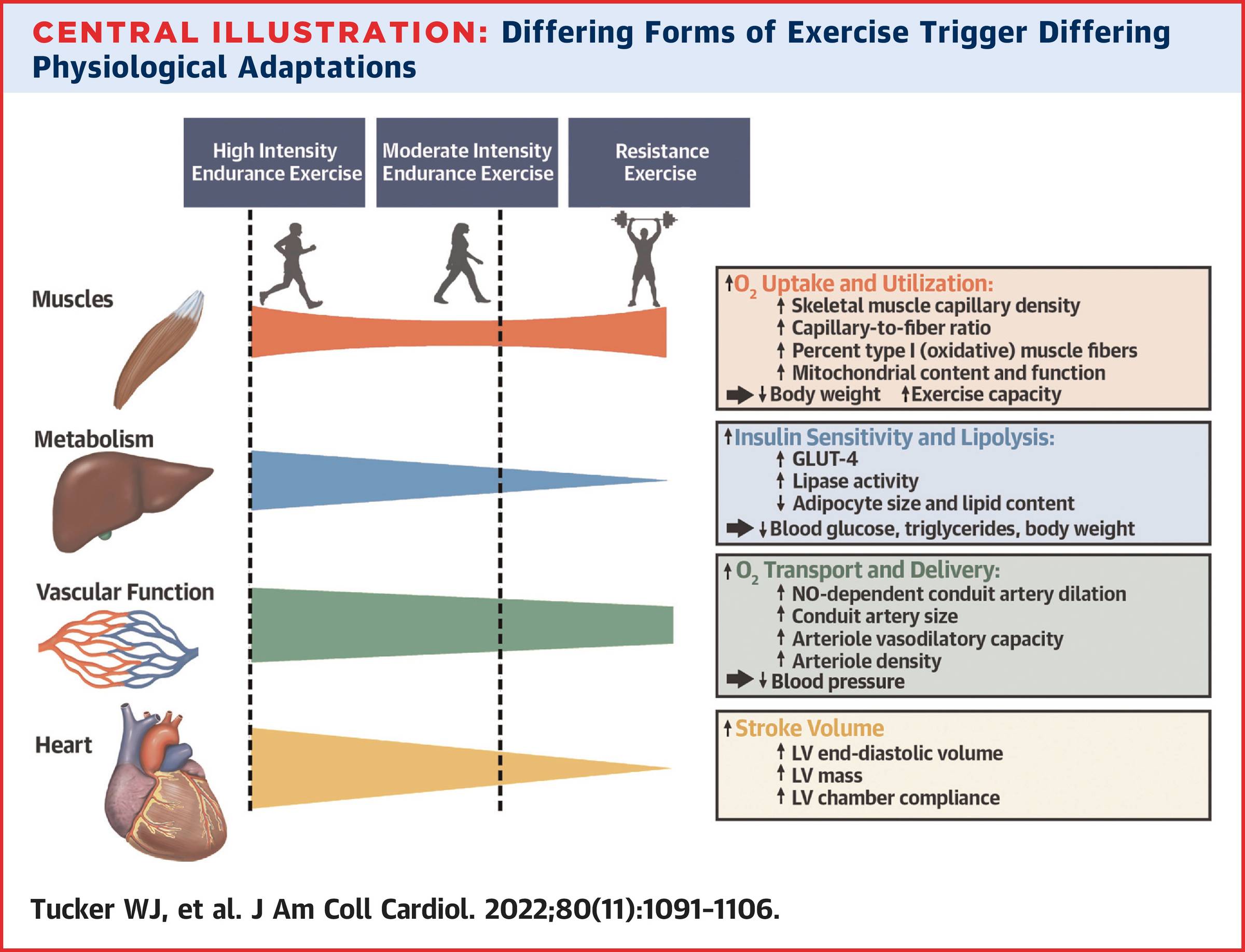
Exercise does significantly more than only building muscle and strength.
Exercise routines that include moderate-to-high-intensity activity seem to elicit the greatest hormonal responses.
Pushing yourself, regardless of your fitness level, is important.
Resistance training, especially in large muscle groups, can:
- Increase release of anabolic hormones, including testosterone, growth hormone, and insulin-like growth factor-1 (IGF-1) during the 15-30 minutes post-exercise.
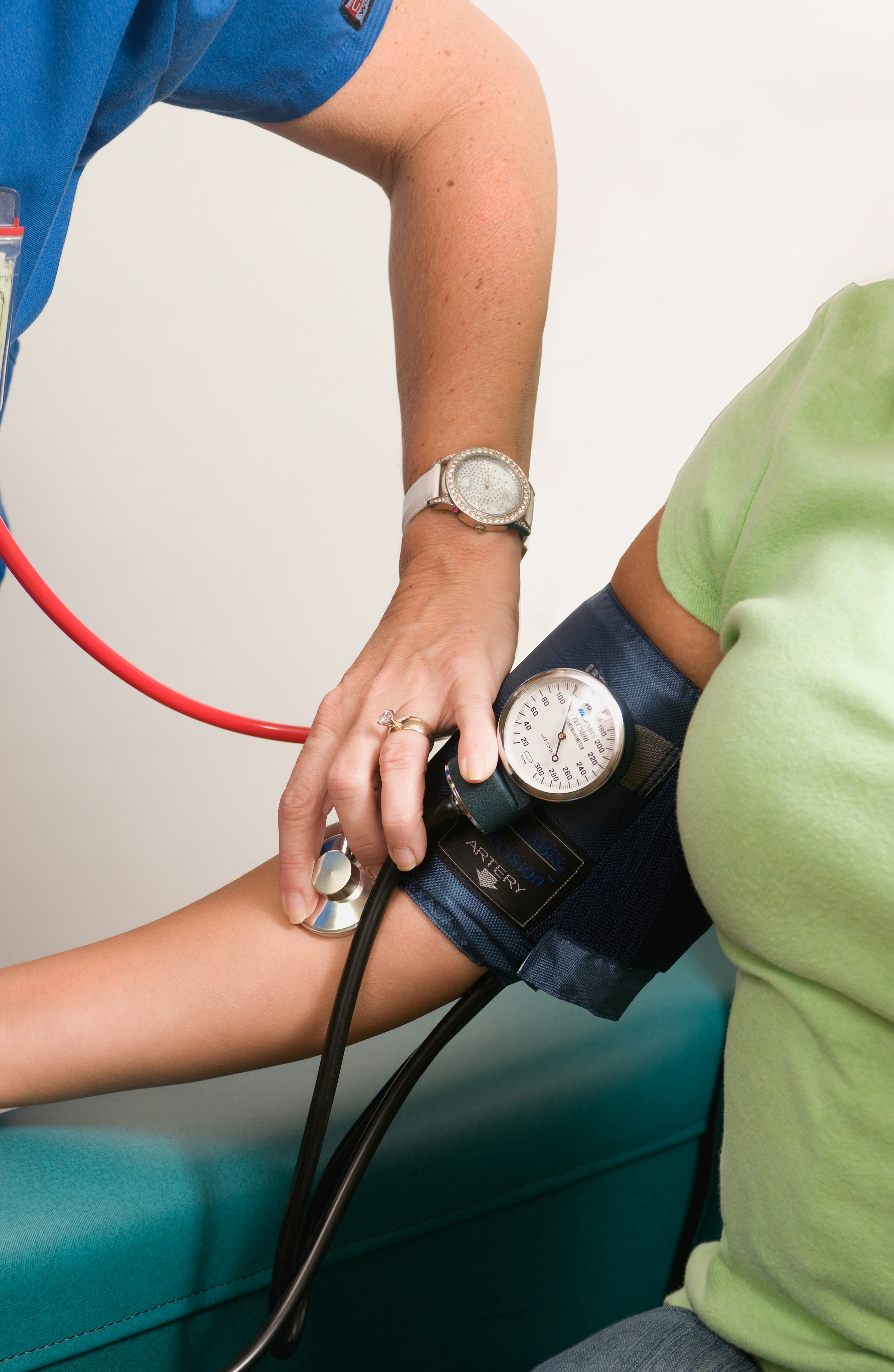
- Improve systolic and diastolic blood pressure. Strength training specifically decreases blood pressure by 3.9/3.9 mm Hg in normotensive individuals, with the strongest effects seen with moderate to vigorous intensity
- Resistance training improves endothelial function, or the ability of blood vessels to dilate properly. Studies show that 8 weeks of resistance training improves flow-mediated dilation by 1.4-4.0%.
- Exercise training improves blood lipids independent of weight loss. Meta-analyses show that exercise increases HDL cholesterol by 2-5 mg/dL, reduces LDL cholesterol by 3-10 mg/dL, and decreases triglycerides by 5-25 mg/dL. Resistance training specifically reduces LDL cholesterol, triglycerides, and non-HDL cholesterol by an average of 6-9 mg/dL.
My Challenge to You
Don't skip leg day.
As we discussed in today's newsletter, the benefits of resistance training and prioritizing muscle are too important to skip.
Training large muscle groups, such as your legs, weekly can help reduce your risk of heart disease.
Approximately only 28-30% of U.S. adults report participating in resistance training or muscle-strengthening activities at least twice per week.
Less than 1/3 of US adults are taking advantage of the remarkable benefits of resistance training.
If you read my newsletter, health is a priority for you.
Don't leave out one of the single greatest lifestyle interventions you have.
Lift weights and move your body.
Stay Hydrated the Right Way
Hydration isn’t just about drinking more water — it’s about replacing what you lose.
When you sweat (from workouts, sauna sessions, or just daily life activities), you’re not just losing water — you’re losing electrolytes like sodium, potassium, and magnesium.
That's why I drink LMNT as my electrolyte replacement.
LMNT uses a science-backed electrolyte ratio of sodium, potassium, and magnesium.
Electrolytes are used by every cell in your body. Even minimal dehydration can limit cognitive and physical performance.
LMNT tastes great and helps me replenish my electrolytes after a hard workout or a sauna session. I mix one LMNT packet (usually Grapefruit Salt, my favorite flavor) into a 32-oz water bottle to stay hydrated throughout the day.
If you want to try LMNT for yourself, click here to receive a FREE sample pack of all 8 flavors with any purchase, plus a No-Questions-Asked Refund Policy.
Only the best,
Jeremy London, MD
P.S. Don't forget to follow my podcast for free on Spotify or Apple Podcasts
Related Articles


.jpg)




.jpg)
.jpg)






















































Subscribe for Free to Keep Reading
This content is free, but you must be subscribed to keep reading.