"Alcohol promises everything sobriety delivers."
Drinking alcohol is a personal choice.
For most of my life, I was a social drinker. I enjoyed pairing wines with a good meal at dinner, drinking at events, and concerts.
I say this because I pass no judgment if you choose to drink.
I changed my stance on drinking when I approached it with intellectual honesty to evaluate how alcohol was impacting my overall health.
It no longer made sense for me to prioritize my sleep, exercise, nutrition, and then willingly poison my body during the weekends.
Quitting alcohol has been the most transformative decision of my adult life.
Just like when you read a good book, watch a good movie, or listen to something moving - I want to share my transformation with as many people as possible.
To put it simply: every day is the same.
My mind is clearer.
My sleep improved.
My workouts improved.
My priorities became more apparent.
In today's newsletter, we will unpack what alcohol does to the body, look at the data on alcohol, and ask a question I challenge you to consider.
Is There a Safe Amount of Alcohol?
Despite older research, there is no safe amount of alcohol for overall health and lifespan.
Alcohol is toxic to every cell in the body. Full stop.
When you consume any alcohol—wine, beer, or liquor—ethanol is ethanol, regardless of its form.
When you consume ethanol, it is broken down into acetaldehyde and acetate. Acetaldehyde is a toxin. Acetate is an energy form that, if not burned, will be stored as fat.
The symptoms of a hangover are due to a combination of acetaldehyde toxicity, dehydration, and typically poor sleep quality.
"What about red wine for heart health?"
It is true that red wine contains polyphenols, specifically resveratrol, which have potential anti-inflammatory properties.
The problem is that the amount of red wine you would have to drink to reach a clinically effective dose of resveratrol would be astronomical. Obviously, the negative effects of alcohol would far exceed any benefit from the polyphenols.
We did a full newsletter on red wine here.
Alcohol: A Preventable Risk Factor
Alcohol is classified as a Group 1 carcinogen.
Alcohol contributes to over 200 different diseases and injury conditions.
Cancer:
In the United States, alcohol is the third-largest modifiable cancer risk factor after tobacco use and excess body weight.
Alcohol consumption increases the risk of at least seven types of cancer: oral, pharynx, larynx, esophagus, liver, colorectal, and breast cancer.
Liver Disease:
Since the liver is responsible for alcohol metabolism, turning ethanol into acetaldehyde (the toxic compound), it can be detrimental to the liver.
Alcohol consumption increases your risk of liver disease, such as fatty liver, hepatitis, fibrosis, and cirrhosis.
Cardiovascular Disease:
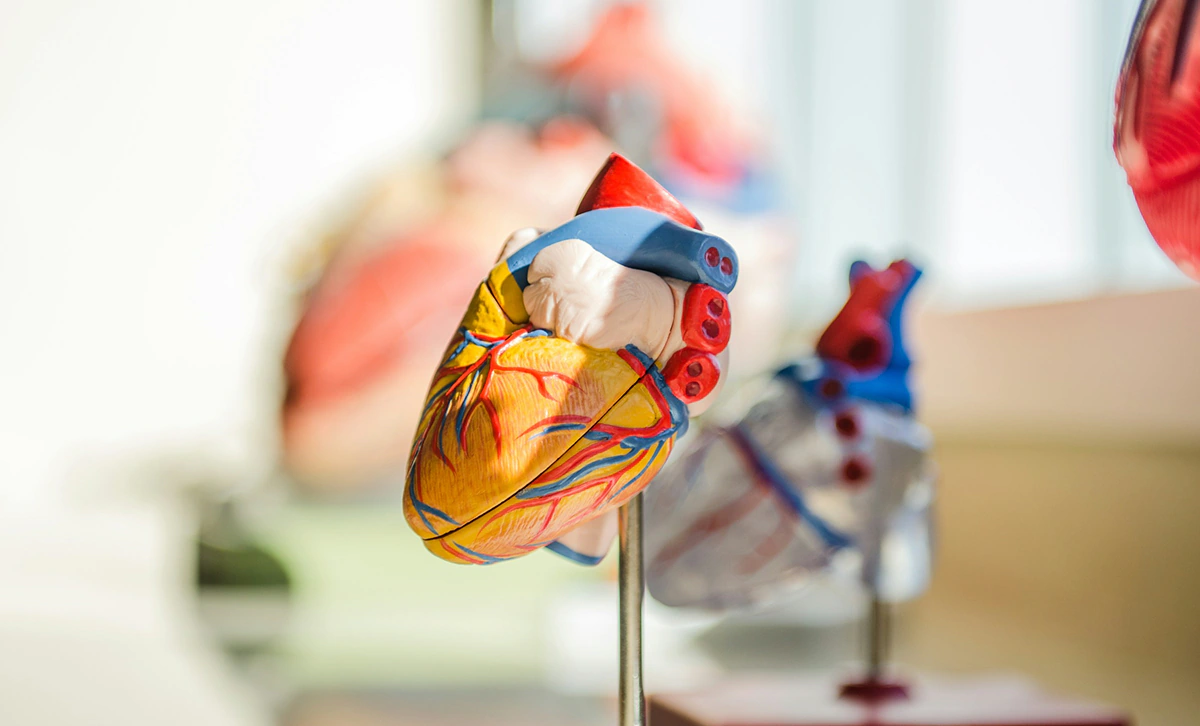
Alcohol consumption increases the risk of cardiovascular disease through multiple mechanisms.
Alcohol elevates blood pressure, is a primary trigger for atrial fibrillation, and has a linear dose-dependent association with stroke risk.
Injury and Accidents:
It shouldn't be surprising that more irrational and rash decisions are associated with alcohol.
Alcohol is associated with substantial proportions of fatal injuries:
- 42% of motor vehicle non-traffic crashes
- 37% of fall injuries
- 34% of fire injuries
- 31% of drownings
- 29% of homicides
- 29% of hypothermia deaths
- 27% of watercraft-related deaths
- 24% of aspiration
- 24% of firearm injuries
- 21% of suicides
The Bottom Line
Interestingly, alcohol is the only drug where people think you have a problem if you DON'T use.
As I mentioned at the beginning of this newsletter, alcohol is a personal decision.
I'm not writing this newsletter to tell you what to do or not do.
I'm writing this newsletter because I wish someone had when I was in my twenties, and challenged me to reflect on whether the trade-off of drinking alcohol and its health risks was worth it.
It's important to understand the data and the potential consequences alcohol can have on healthspan and lifespan.
What you do with that data is entirely up to you.
The question I challenge you to consider: Is alcohol worth the trade-off for you?
With alcohol consumption at an all-time low, I think people are starting to see the negative impacts alcohol can have.
I predict that in the next decade, many people will consider alcohol the next smoking.
I want to hear from you - Reply to this email:
Did you find this newsletter interesting? What further questions do you have? What is your relationship like with alcohol?
Most people wait until it's too late.
Health isn’t just what you see in the mirror—it’s what’s happening inside your body.
Your lab markers are your instruction manual. Knowing what’s in range—and especially what’s out of range—lets you personalize your health instead of guessing.
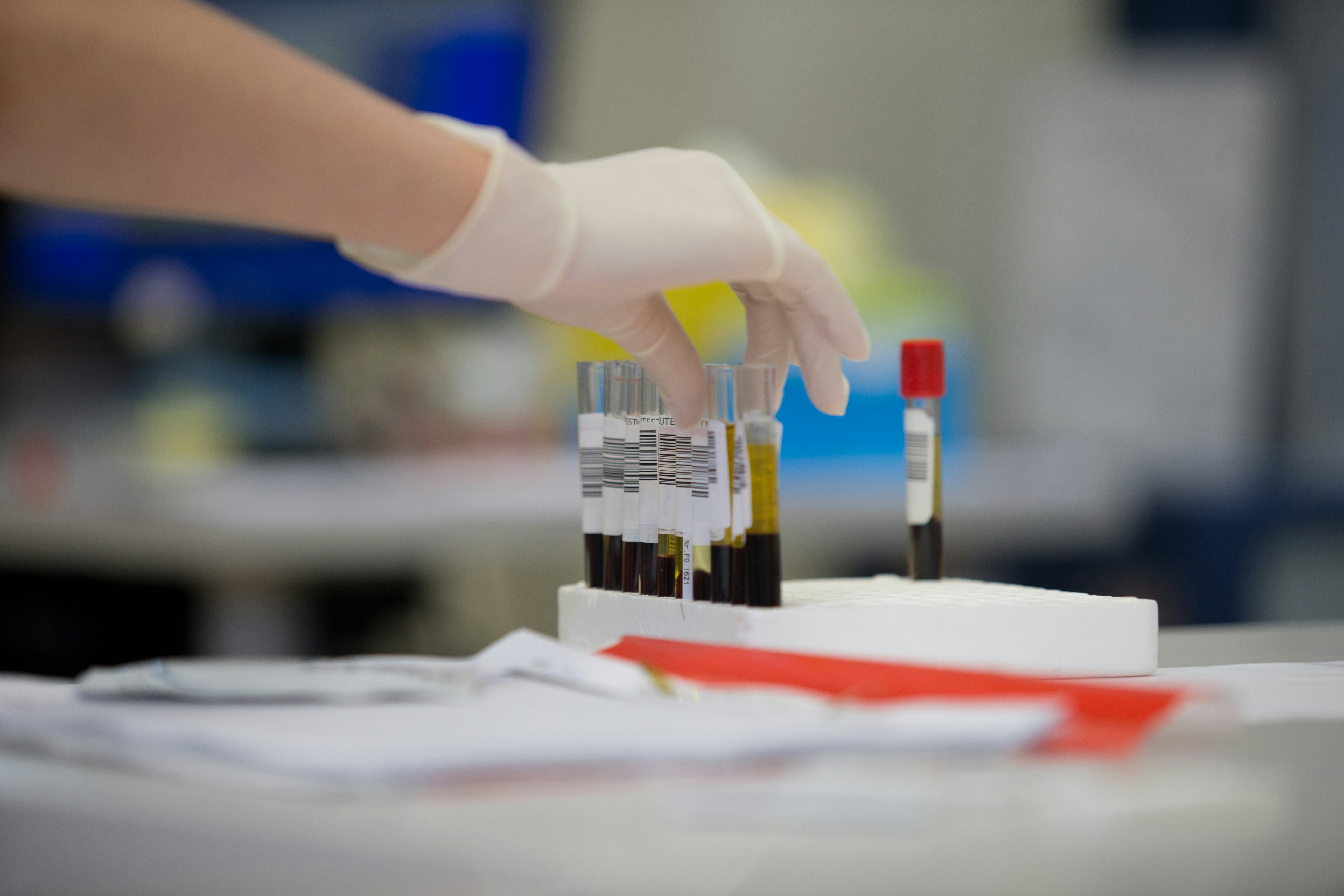
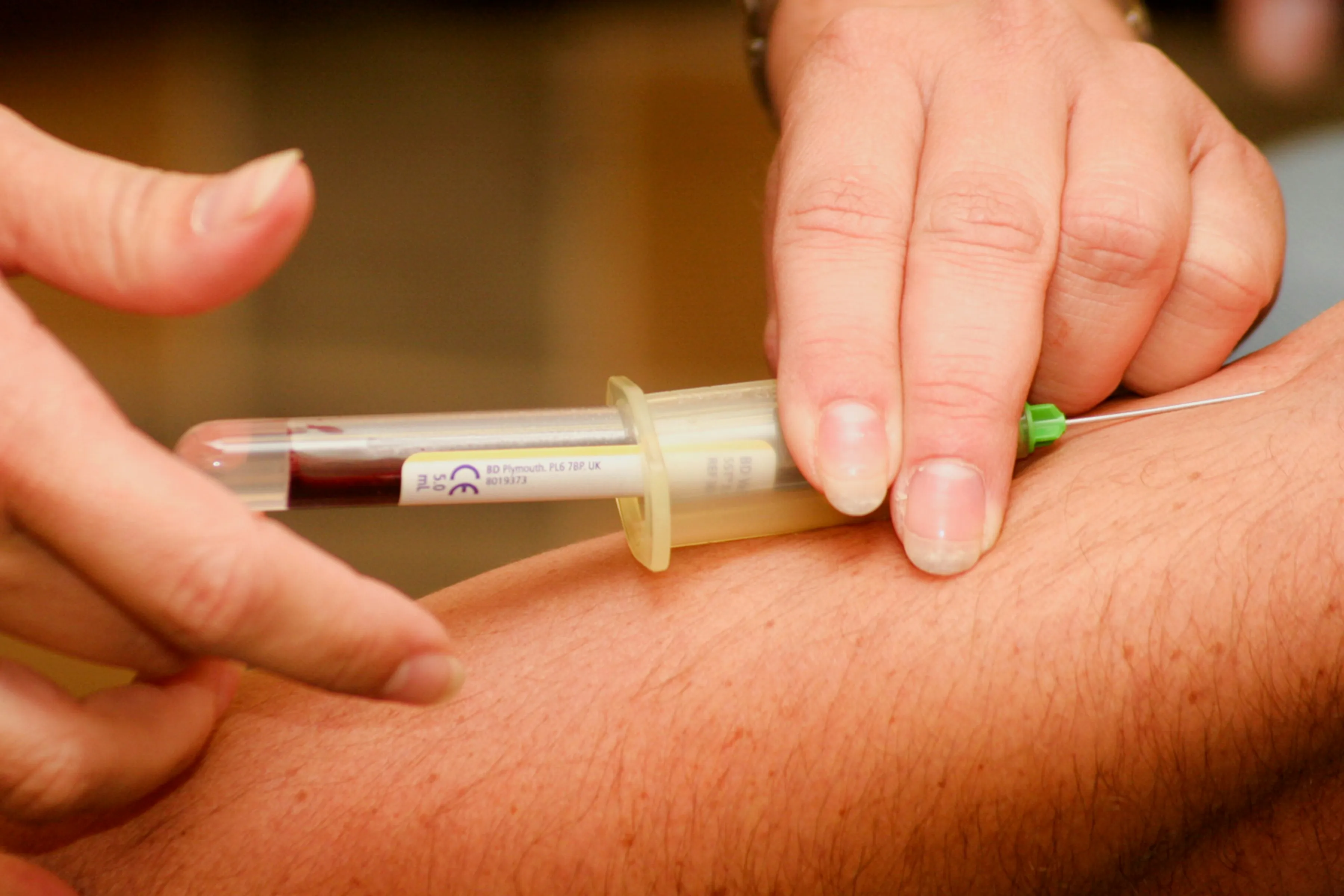
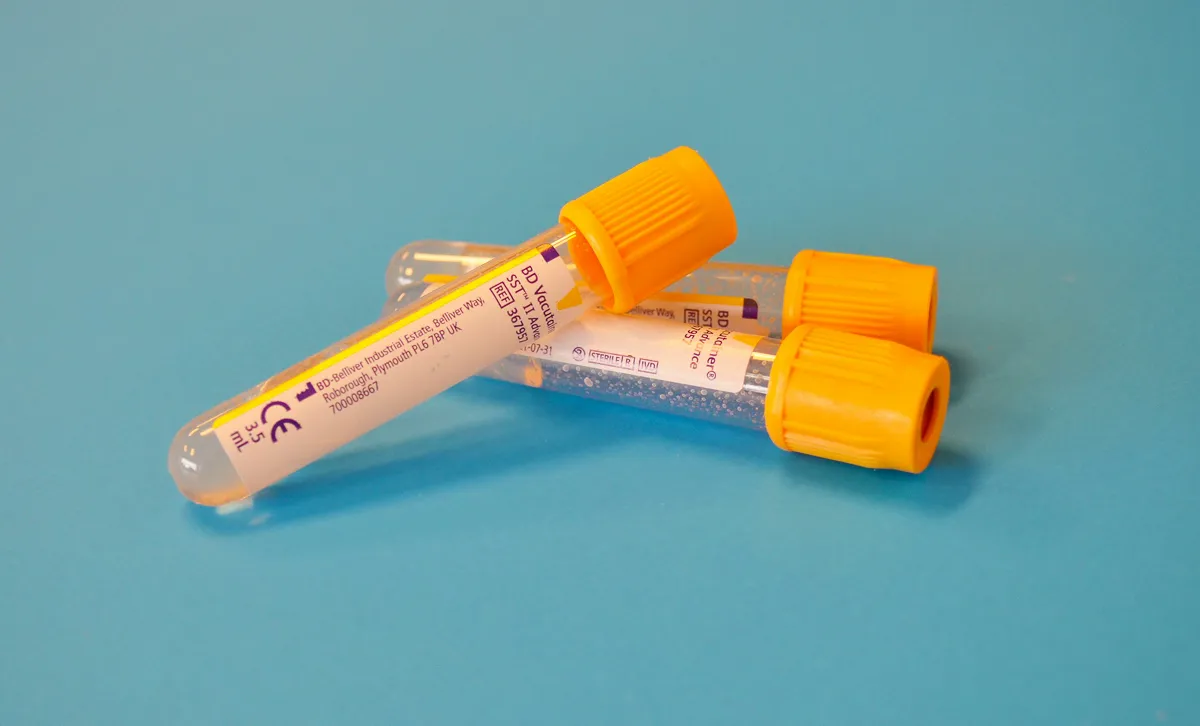
Function Health is an all-in-one health platform that starts with 160+ lab tests, covering your heart, hormones, liver, kidneys, thyroid, immune system, cancer signals, toxins, and key nutrients.
That’s about 5× more testing than standard primary care labs—bloodwork that would normally cost thousands of dollars out of pocket.
Scheduling is simple, with 2,000+ lab locations across the U.S., and most visits take around 15 minutes.
Once your results are ready, you receive a clear, comprehensive summary written by Function’s clinical team—and if anything urgent shows up, a clinician calls you directly.
With real data and personalized insights, you can take action, retest over time, and actually track whether what you’re doing is working.
This is the exact blood test my family and I get every six months.
Click here to sign up for Function Health for less than $1/day
Only the best,
Jeremy London, MD
P.S. Don't forget to follow my podcast for free on Spotify or Apple Podcasts



.jpg)




.jpg)
.jpg)