"Your doctor can save you, but they can't heal you."
I heard this quote from a video last week. As a cardiovascular surgeon for the past 25 years, it truly hit home.
Modern medicine does a great job of treating the endgame, managing symptoms, and getting patients out of trouble.
Heart attacks, strokes, and car accidents. Treating life-threatening situations.
I personally have had the honor and privilege of saving 1,000s of lives throughout my practice, and I wouldn't trade it for anything.
Treatment is an absolutely necesssity, but it's not the whole story.
About 10 years into my practice, I became very disillusioned with practicing medicine.
I would treat the endgame. Fix a blockage. Get a patient out of trouble, then game-plan the necessary next steps.
Fast-forward, and they would be back on my operating room table after abandoning our prior action plan.
It began to feel like an exercise in futility, and I even considered quitting medicine altogether.
I can perform my duty as the surgeon, get a patient out of trouble, and, consequently, if there were no behavioral or lifestyle changes, the patient would return with a similar problem.
A perfect example is the long-time smoker, who first presents with complaints of leg pain. I perform bypass surgery on the leg and counsel the patient on the dangers of smoking. The same patient returns two years later, still smoking, now with a heart attack that requires open-heart surgery. The patient is once again educated on the dangers of smoking, only to return 5 years later, now presenting with lung cancer.
I can perform surgery, provide education, and prescribe medication, which can make a major difference, but this is only part of the equation.
The truth is: I can't heal you.
No doctor can.
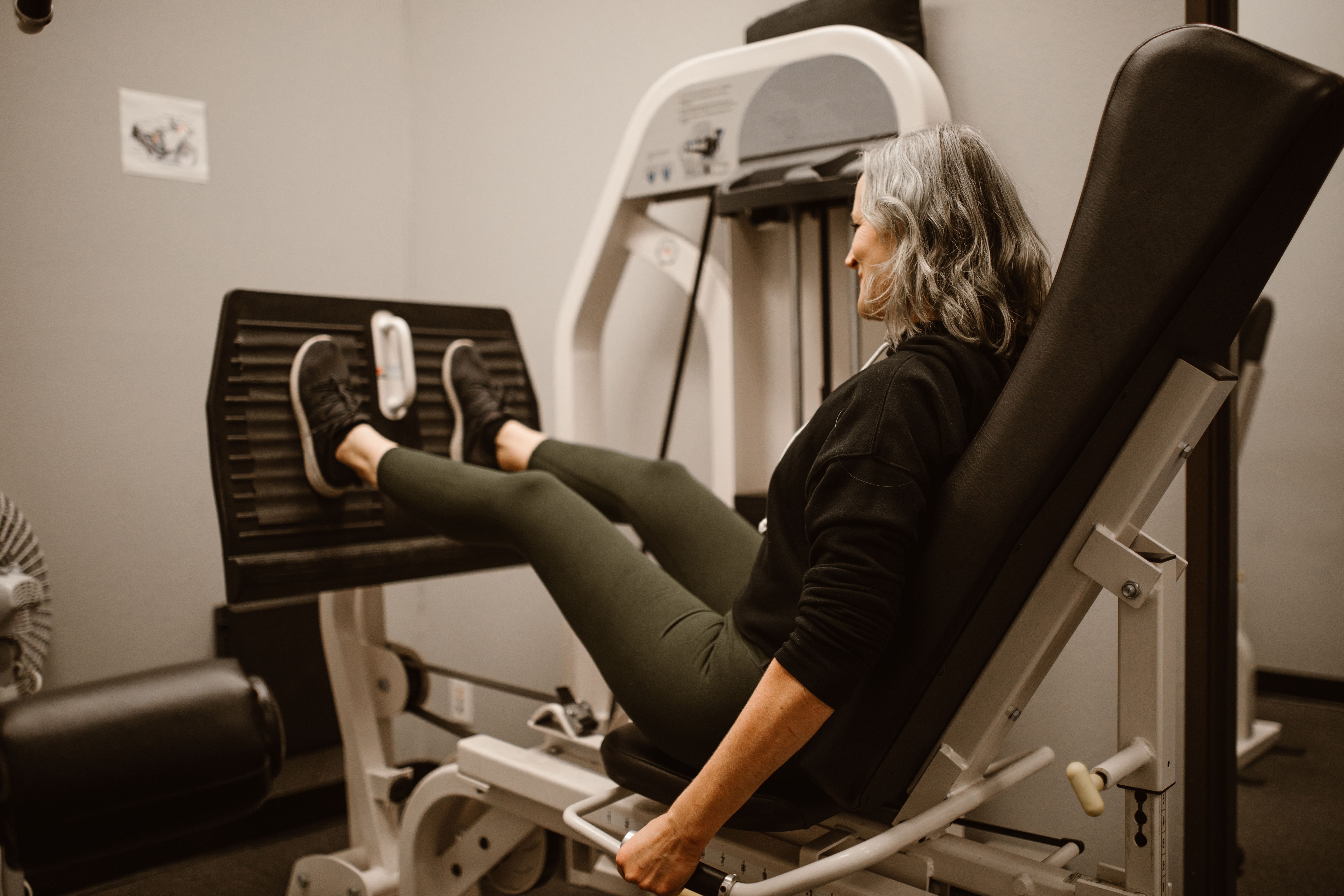
I can't force you to go to the gym to exercise.I can't monitor everything you eat.I can't force you to prioritize rest and recovery.I can't micromanage you taking medication.I can't force you to go to the doctor when you need to.Only you, as the patient, can do that.
This shouldn't feel like a burden. It should be empowering to know that you can have a significant impact on your future health journey.
Even if you have a strong family history and it seems your genetics are stacked against you, you still have a say in how those genes are expressed.
We can all agree that the medical system is flawed. There is no question that medicine has shifted its focus away from the patient.
Irrespective of the healthcare system, you have to take responsibility for your own healthcare.
Patients need to refocus on themselves as well.
The healthcare system is there as a necessary safety net for treatment.
However, as the patient, we can take small, actionable steps daily that focus on prevention.
Prevention that either slows the progression of a problem or avoids it altogether.
So, my challenge to you, as the reader, is to take responsibility for your healthcare.
We all have things we can improve on or do better.
Pick one and start taking action on it today.
Ultimately, only you can heal yourself.
Don't Wait Until it's Too Late. Test Now.
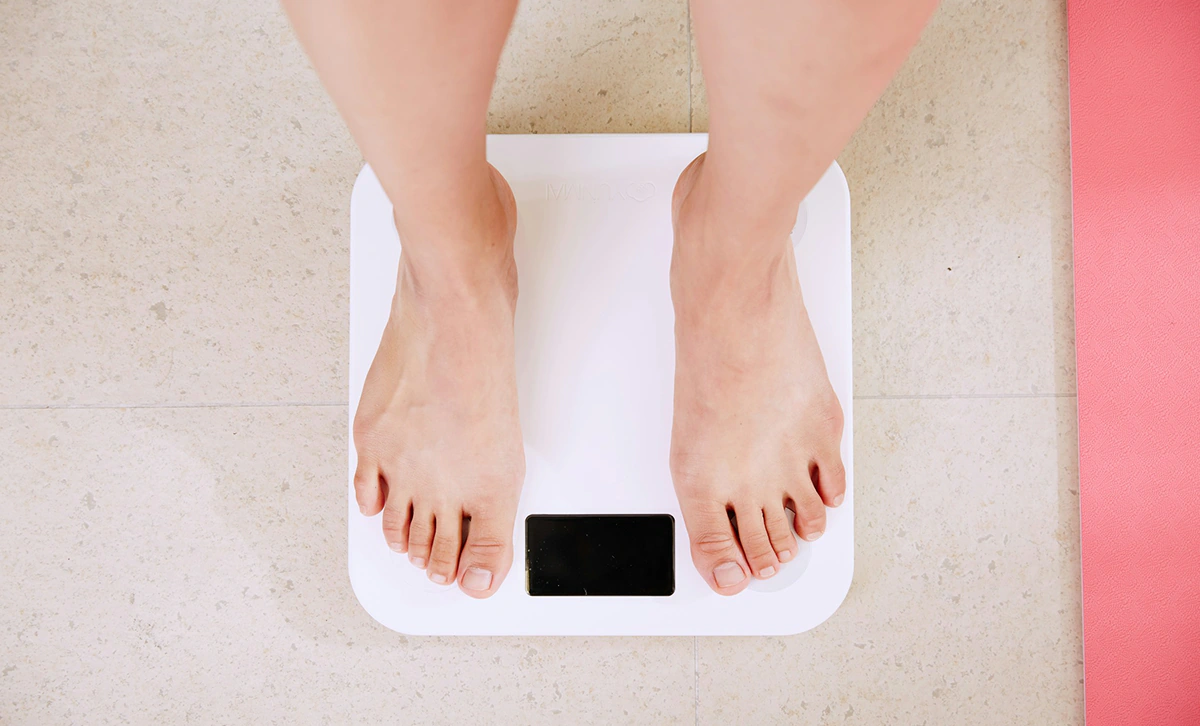
Health isn't only about how you look in the mirror or the number on a scale.
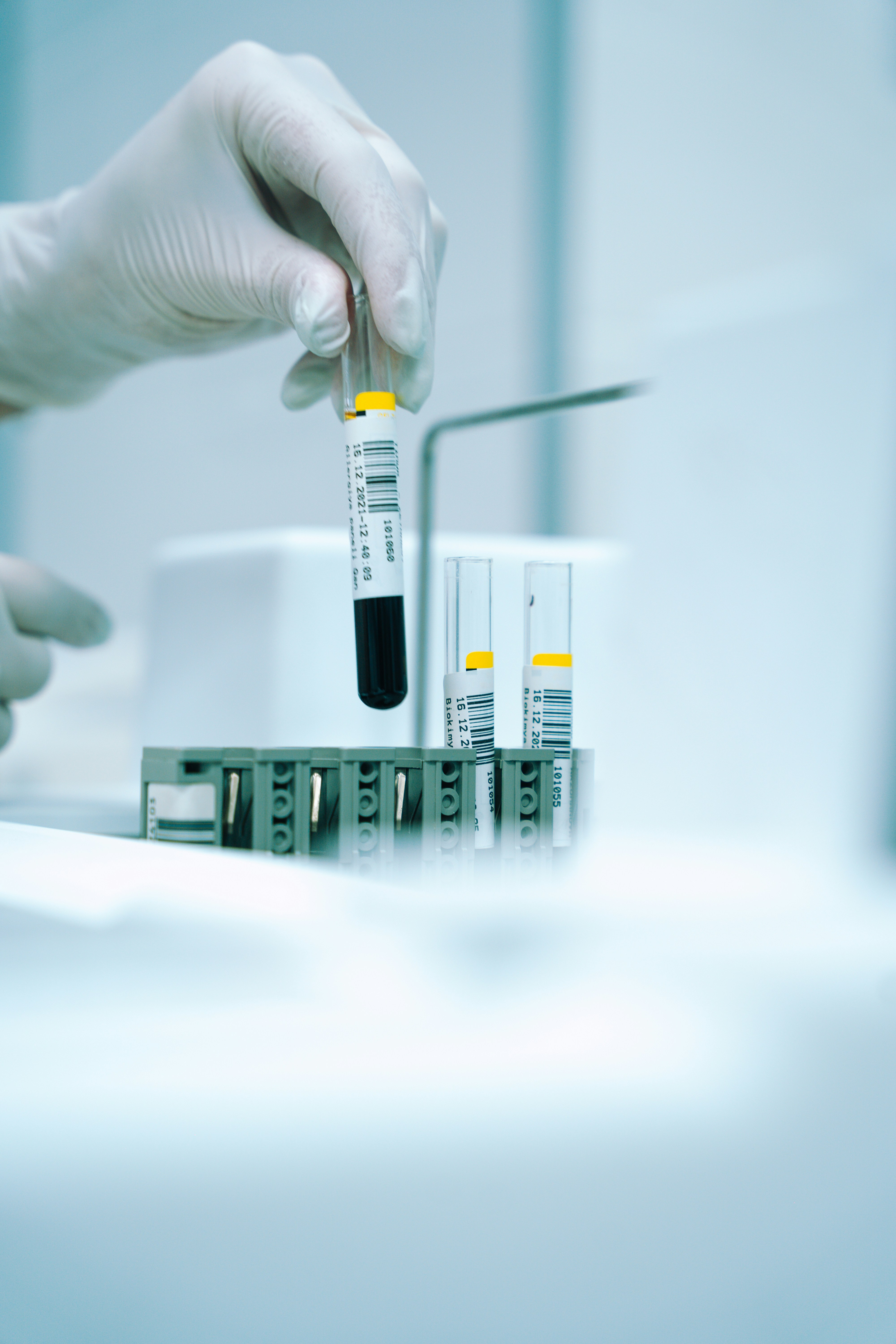
Your lab markers are your instruction manual. Knowing what’s in range—and especially what’s out of range—lets you personalize your health instead of guessing.
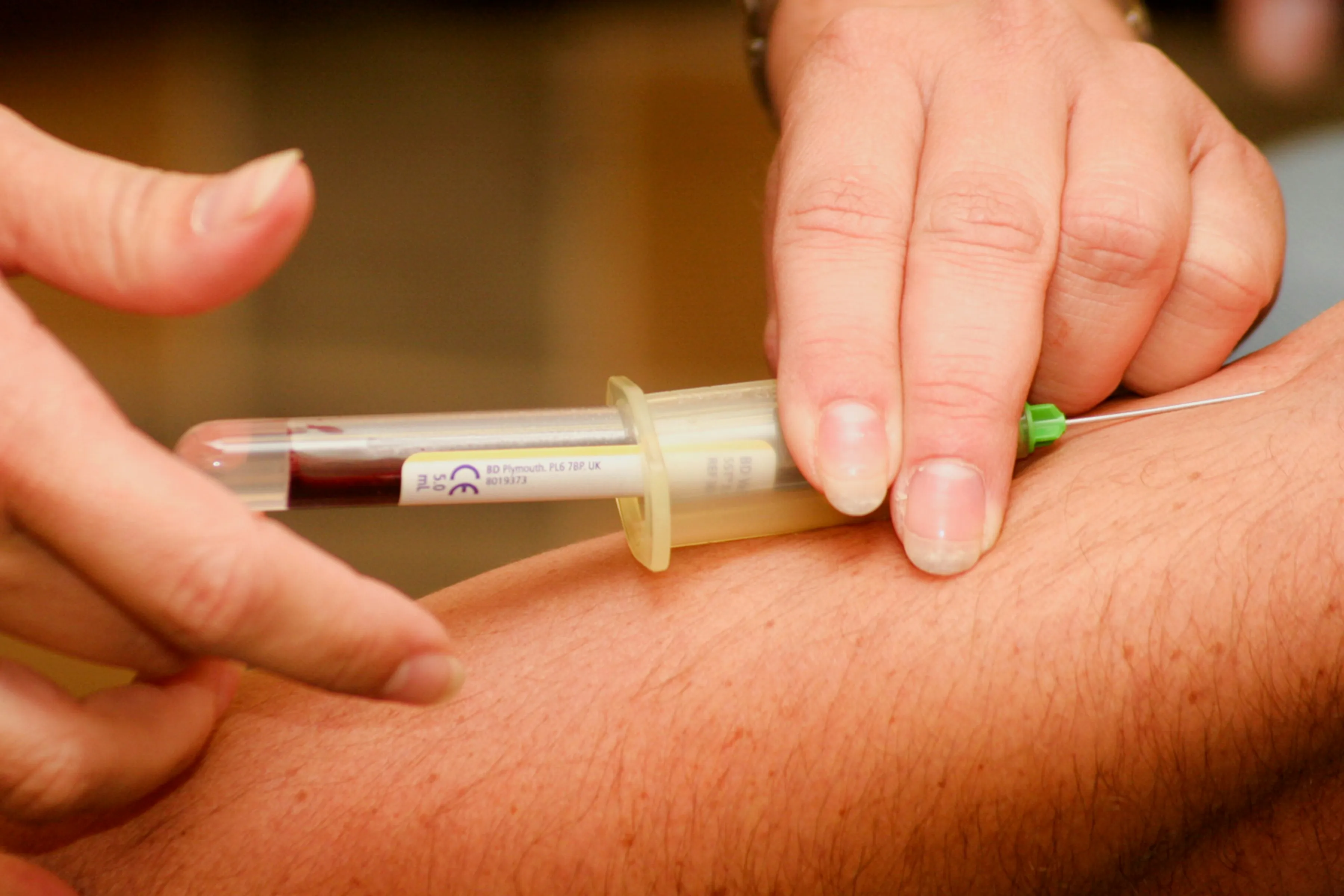
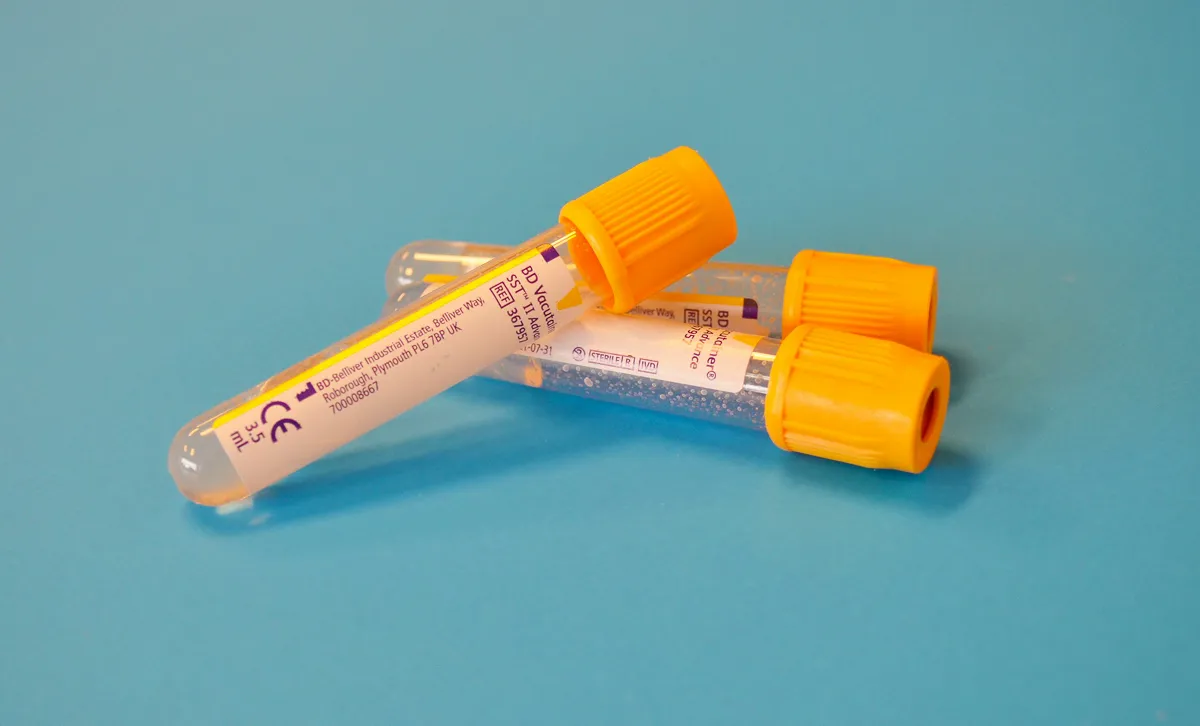
Function Health is an all-in-one health platform that starts with 160+ lab tests, covering your heart, hormones, liver, kidneys, thyroid, immune system, cancer signals, toxins, and key nutrients.
That’s about 5× more testing than standard primary care labs—bloodwork that would normally cost thousands of dollars out of pocket.
Scheduling is simple, with 2,000+ lab locations across the U.S., and most visits take around 15 minutes.
With real data and personalized insights, you can take action, retest over time, and actually track whether what you’re doing is working.
This is the exact blood test my family and I get every six months.
Click here to sign up for Function Health for less than $1/day
Only the best,
Jeremy London, MD
P.S. Don't forget to follow my podcast for free on Spotify or Apple Podcasts






.jpg)
.jpg)