

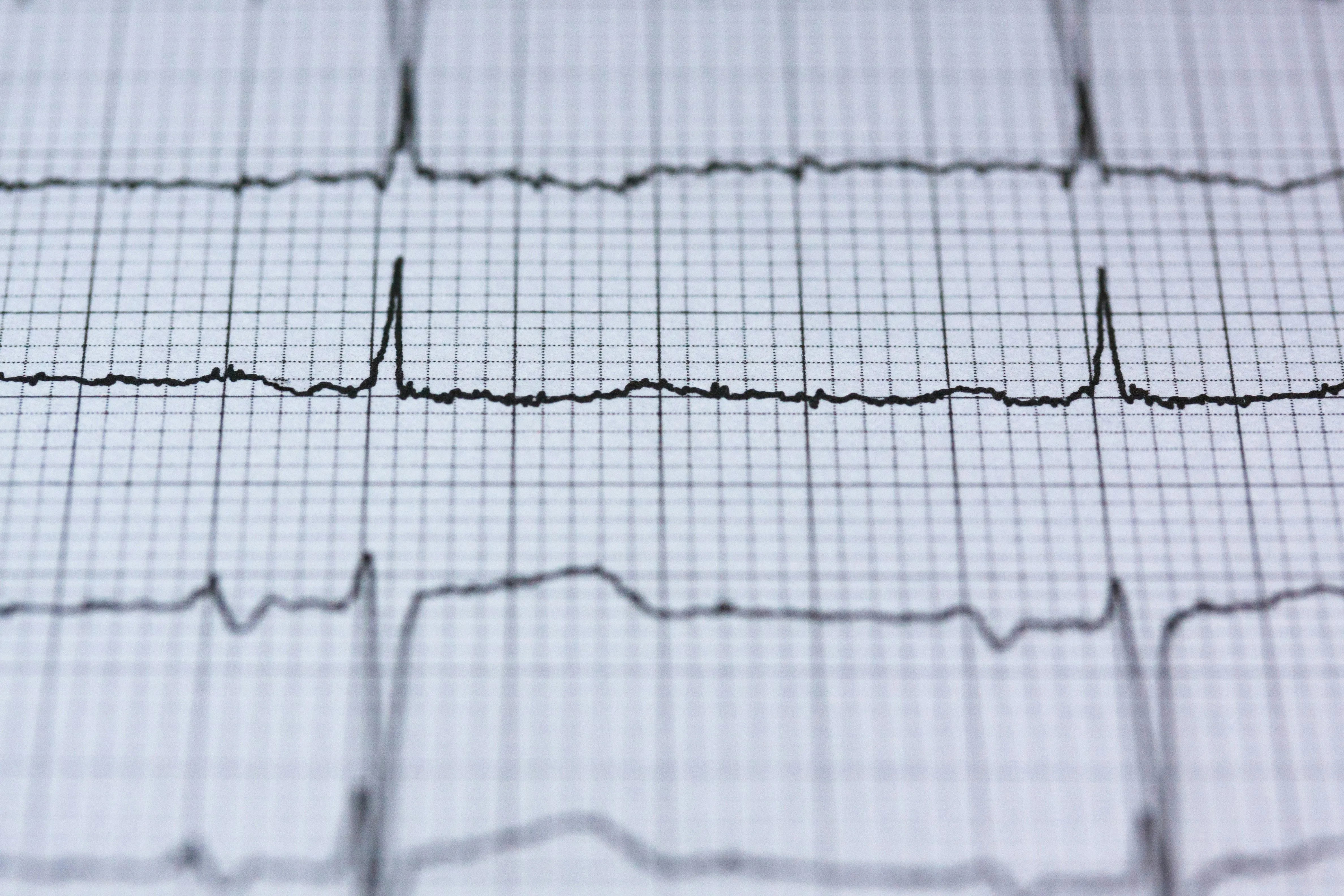
We recently sent a newsletter covering the basics of heart disease and the three most common buckets.
As a result of that newsletter, we received numerous inquiries about doing a deeper dive on atrial fibrillation (AFib).
In today's newsletter, we are going to dive into atrial fibrillation: what it is, its symptoms, triggers, and potential risks.
What is Atrial Fibrillation (AFib)?
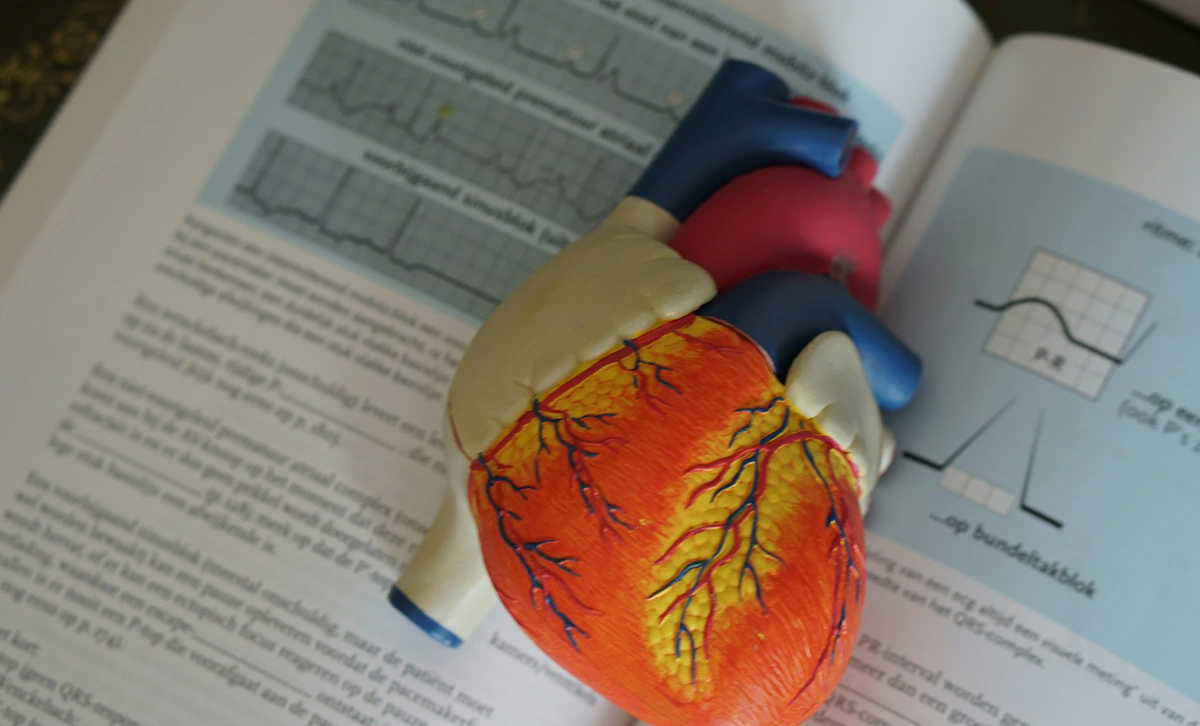
Remarkably, our heart has its own electrical system.
Every heartbeat is fired by tiny electrical signals.
This allows our heart to beat automatically without us needing to think about it.
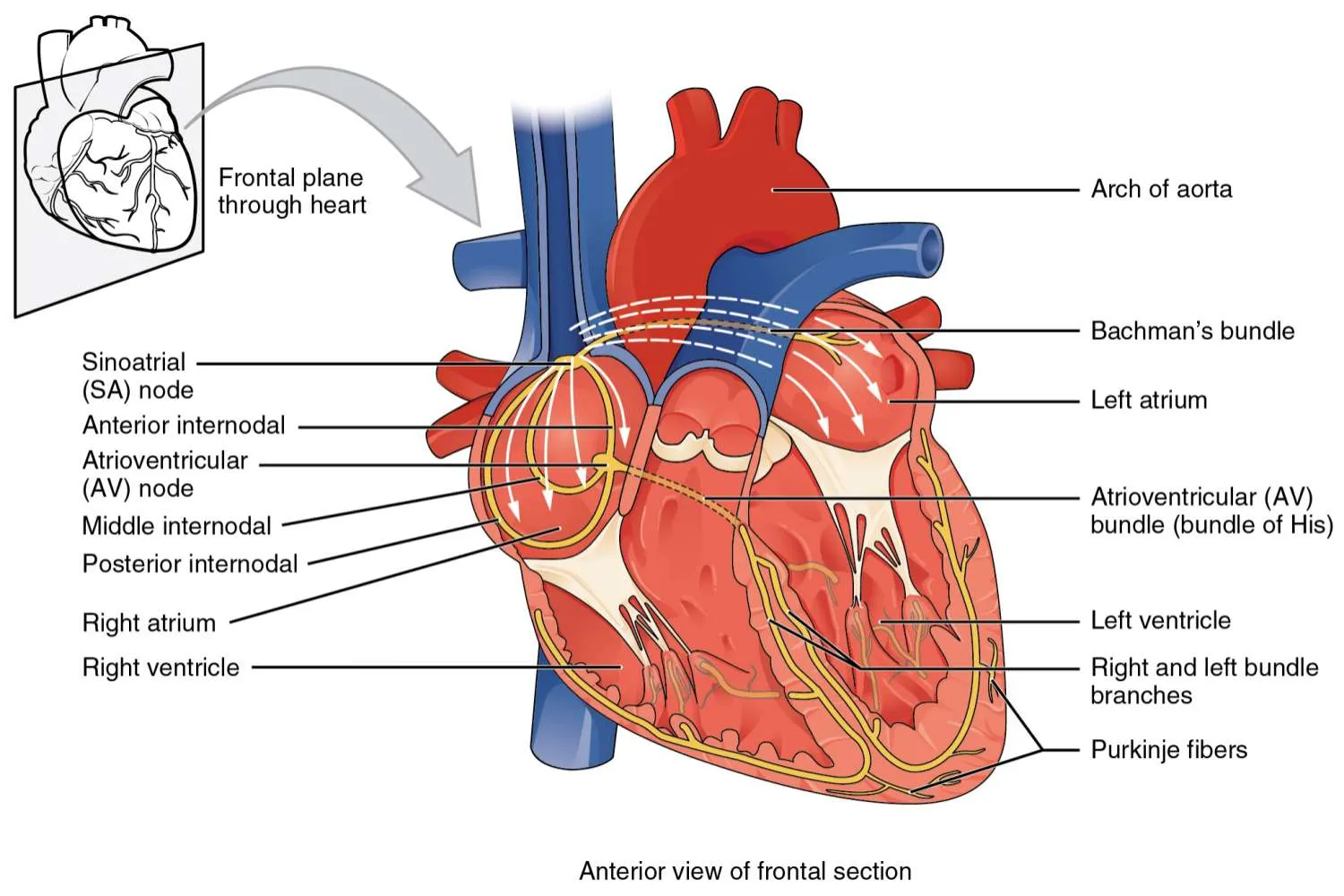
Normally, in a healthy rhythm (sinus rhythm), the SA node sends clean, methodically organized signals to the upper and lower chambers.
In a normal heartbeat cycle, the upper chambers contract, sending blood to the ventricles, and then the ventricles contract, ejecting blood from the heart.
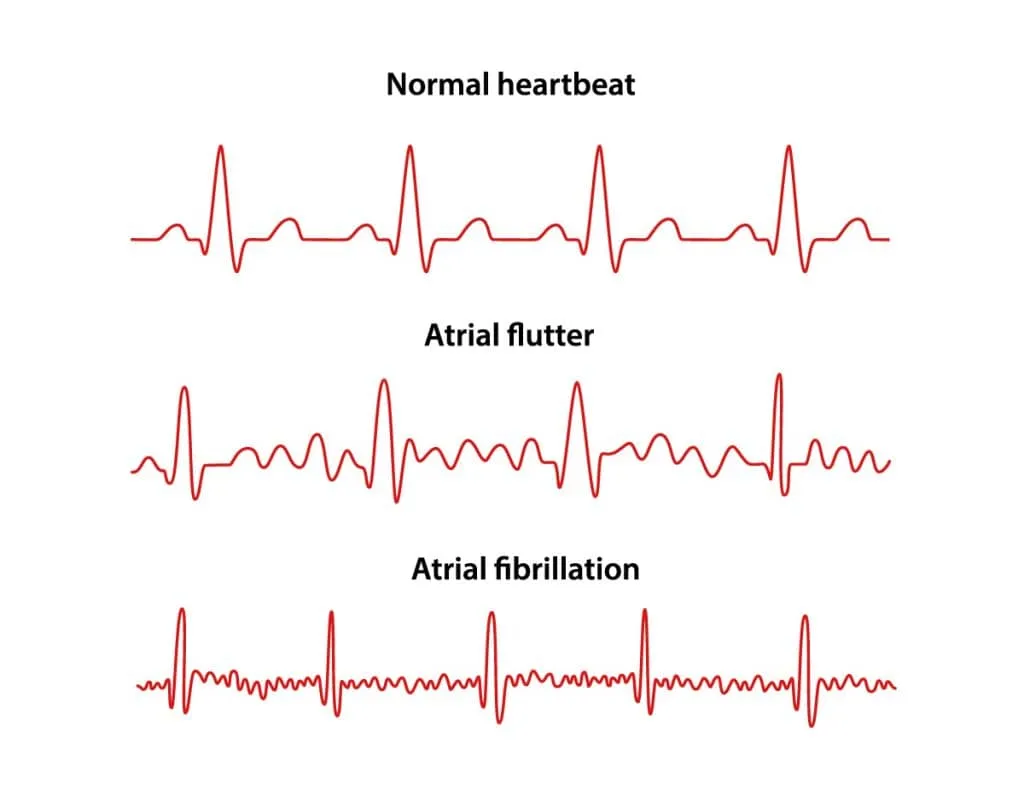
During atrial fibrillation, the methodical electrical signal becomes chaotic. Hundreds of signals are firing in the atria. In surgery, the heart looks like a bag of worms beating irregularly when a patient is in AFib.
How long can AFib last?
AFib is classified as paroxysmal (self-terminating within 7 days), persistent (lasting >7 days or requiring cardioversion), or long-standing persistent (>12 months).
Common Misconception: AFib is a fast heart rate
Although AFib often presents with a faster heart rate, it isn't defined by the speed of beats but by the irregularity of rhythm.
You can be in AFib with a slow, normal, or fast heart rate.
Symptoms, Triggers, and Who's at Increased Risk
Atrial fibrillation is the most common arrhythmia (abnormal heart rhythm) in adults.
What does AFib feel like? Most common symptoms?
- Palpitations, fluttering, racing, or irregular heartbeat
- Fatigue
- Shortness of breath
- Lightheadedness
- Chest discomfort
Most patients describe that their heart feels like it is flip-flopping or skipping a beat.
However, it is very common for patients to have atrial fibrillation with no presenting symptoms at all.
What are the most common triggers for AFib?
Alcohol is one of the most well-established triggers of AFib included both acute (binge drinking) and chronic heavy use. Even moderate alcohol intake can trigger AFib.
Other common triggers of AFib include sleep deprivation, emotional stress, caffeine, and physical exertion.
An interesting note about caffeine. When consumed in usual amounts, it was associated with no heightened risk of AFib. The association was observed in the context of excessive caffeine consumption.
What about coffee?
Coffee was under scrutiny as a possible trigger for AFib, but the DECAF randomized control trial suggests otherwise. 200 patients with persistent AFib underwent cardioversion to either caffeinated coffee consumption (averaging 1 cup daily) or complete abstinence from coffee and caffeine. Over 6 months, the coffee consumption group experienced significantly lower AF recurrence (47% vs 64%) and a 39% lower recurrence hazard than the abstinence group. This suggests that moderate coffee consumption may actually be protective rather than proarrhythmic in patients with established AFib.
Which patient population is at increased risk of AFib?
The most powerful risk factor for AFib is age. The Framingham Heart Study suggests a lifetime risk of 37% after age 55. We can't run from our genes and aging.
Other risk factors include:
- Hypertension
- Heart Failure
- Obesity
- Diabetes
- Sleep Apnea
- Kidney Disease
In patients <60 years old, relatively modifiable factors like obesity and hypertension have a greater impact compared to older patients, suggesting different prevention strategies may be needed across age groups.
The Real Risk & Dangers of AFib
The biggest concern with AFib is the increased risk of stroke and thromboembolism.
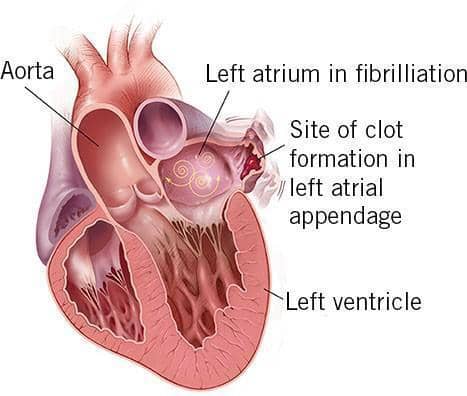
At first, this may seem surprising since AFib raises concerns about heart health, but here's the reasoning.
When the atria don't contract properly, blood can stagnate inside the left atrial appendage. When blood moves slowly, it can clot.
If that clot dislodges and travels up the carotid artery, it could block blood flow to the brain.
This is an embolic stroke.
How much does AFib increase stroke risk?
Atrial fibrillation increases your stroke risk approximately 4-fold in men and 5.7-fold in women.
A real concern that warrants attention to reduce stroke risk.
Lifestyle, Risk Factor Modification, & Medications
AFib is one of the most manageable heart rhythm disorders we see today.
The challenge is pinpointing the cause of AFib, which can be difficult. An irregular heart rhythm can be a multifactorial outcome rather than a single-cause disease.
Lifestyle Modifications include:
- Weight loss of ≥10% in overweight/obese patients significantly reduces AFib burden and recurrence, with some studies showing up to 40% of patients maintaining sinus rhythm without rhythm control strategies
- Exercise: Initial goal of 20 minutes 3 times weekly, progressing to at least 150-200 minutes per week of moderate-intensity activity
- Blood pressure control: Intensive control (systolic <120 mm Hg vs <140 mm Hg) reduces AF risk
- Alcohol minimization or elimination: Abstinence reduces recurrence risk
- Smoking cessation
- Treatment of obstructive sleep apnea with CPAP effectively reduces AF episodes
- Diabetes management
Medications:
Pharmacological intervention needs to be tailored with a cardiologist or your qualified healthcare professional. The main goals of medications are to reduce stroke risk, achieve rhythm control, and control heart rate.
I understand it can be frustrating and overwhelming to have a disease that, many times, appears to be out of your control.
The responsibility falls on you, as the patient, to control what you can (your lifestyle factors) and partner with your physician to devise a plan.
What Makes Rho Different
Rho Nutrition because they bring something different to your fridge.
Rho offers third-party-tested liposomal delivery products. Why does this matter? Most pills and powders lose a significant amount of the active ingredient during digestion.
Rho encapsulates each nutrient (creatine, glutathione, NAD+, curcumin, collagen, etc.) within a tiny liposome that survives the gut and ferries the compound intact into the bloodstream.
Liposomal delivery helps ensure that the vitamins and supplements you purchase are getting absorbed and not lost during digestion.
My personal morning Rho stack is their liposomal creatine, glutathione, DIM+, and NAD+, and before bed, I take their liposomal magnesium.
The founders, Ryan and George, firmly believe you will feel the Rho difference, but if you're not satisfied, they offer a 60-day money-back guarantee.
Click here to save 20% and add Rho to your daily routine
Only the best,
Jeremy London, MD
P.S. Don't forget to follow my podcast for free on Spotify or Apple Podcasts
Related Articles


.jpg)





.jpg)
.jpg)






























































Subscribe for Free to Keep Reading
This content is free, but you must be subscribed to keep reading.