Historically, when we think of heart attacks, we immediately assume cholesterol as the sole villain at play.
ApoB-containing lipoproteins are absolutely a causal villain, but not the only one driving heart disease.
Insulin resistance is the state in which your body stops responding to insulin signals, with many negative downstream implications.
On a standard panel, hemoglobin A1c and, hopefully, fasting glucose are used to screen prediabetes and diabetes.
There's no question that these markers flag a metabolic problem; however, in many cases, A1c is a lagging indicator, appearing a few years to a decade after the onset of insulin resistance.
In today's newsletter, we are going to explore why insulin resistance is so dangerous, a lab test that can pick up signs of insulin resistance much earlier, and tactical ways to improve insulin sensitivity.
Insulin Resistance: The Damage Multiplier
Insulin resistance isn't just a diabetes problem. It's not even mostly a diabetes problem. It's a cardiovascular disease problem, a fatty liver problem, a dementia problem, a cancer problem, and a hypertension problem — all at the same time.
When your cells stop responding well to insulin, your pancreas compensates by pumping out more insulin.
That extra insulin doesn't sit there harmlessly. It:
- Drives sodium retention and raises your blood pressure.
- Pushes your liver to manufacture more triglycerides.
- Lowers your HDL and shifts your LDL toward small, dense, atherogenic particles.
- Stimulates smooth muscle cells in your artery walls to proliferate — accelerating plaque formation.
- Fuels the chronic, low-grade inflammation that drives ASCVD.
In other words, chronically high insulin is a damage multiplier. It's pouring fuel on every cardiovascular risk factor.
HbA1c Late to the Party
Hemoglobin A1c measures your average blood sugar over the previous two to three months.
The benefit of A1c is that the testing standard is practically universal and a key measure for pinpointing prediabetes and diabetes.
Fasting glucose measures your blood sugar after an overnight fast.
Both of these become abnormal when your pancreas can no longer keep up.
But your pancreas can keep up for a long time. Years. Often more than a decade.
While your pancreas is working overtime, your insulin levels are climbing — sometimes to two, three, or four times normal — and your glucose still looks in range on a lab report.
That's the gap. That's where the damage is happening. And it can go unrecognized on a standard checkup.
By the time your A1c creeps to 5.7 and your doctor finally says, "you're prediabetic," you've already been insulin resistant for a significant period of time.
The Whitehall II cohort study tracked 6,538 adults for over a decade. Compared to those who stayed healthy, the people who eventually developed type 2 diabetes already had higher insulin resistance and blood sugar levels more than 6 years before their diagnosis.
The Aragon Workers' Health Study (n = 3,200 non-diabetic men) directly compared fasting insulin and HbA1c for identifying metabolic syndrome and insulin resistance. Fasting insulin levels vastly outperform HbA1c in detecting insulin resistance. Critically, among individuals without metabolic syndrome, even a small elevation in fasting insulin identified cardiovascular risk factors that HbA1c failed to detect.
A 2025 prospective study of 16,333 normoglycemic individuals (normal fasting glucose and normal HbA1c at baseline) found that those in the top tertile of an insulin resistance score (derived from fasting insulin and C-peptide) had a 43% greater risk of incident prediabetes or type 2 diabetes over a median 2.9 years, even after adjusting for age, sex, BMI, and baseline HbA1c. This directly demonstrates that insulin-based measures identify risk in people with completely normal HbA1c.
This Biomarker Can Catch it Early
Unlike HbA1c, fasting insulin can provide an early indication of insulin resistance.
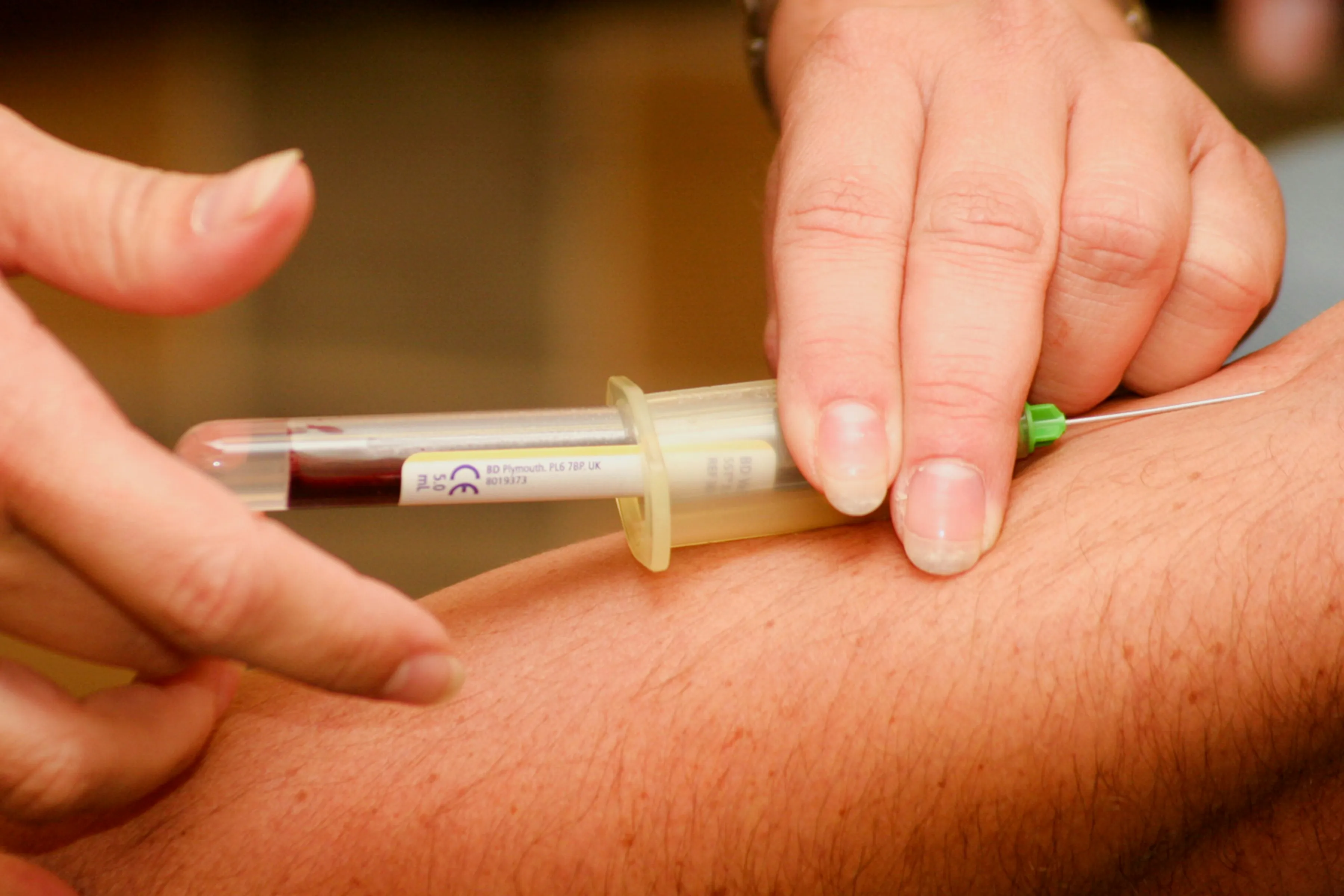
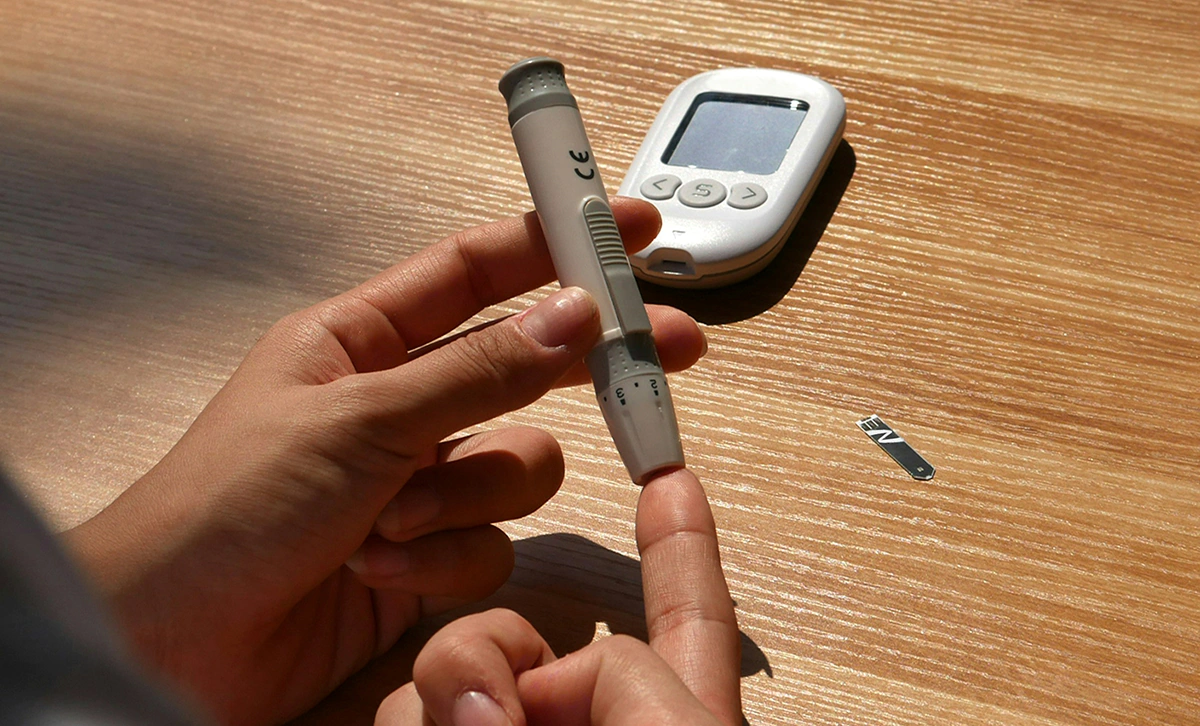
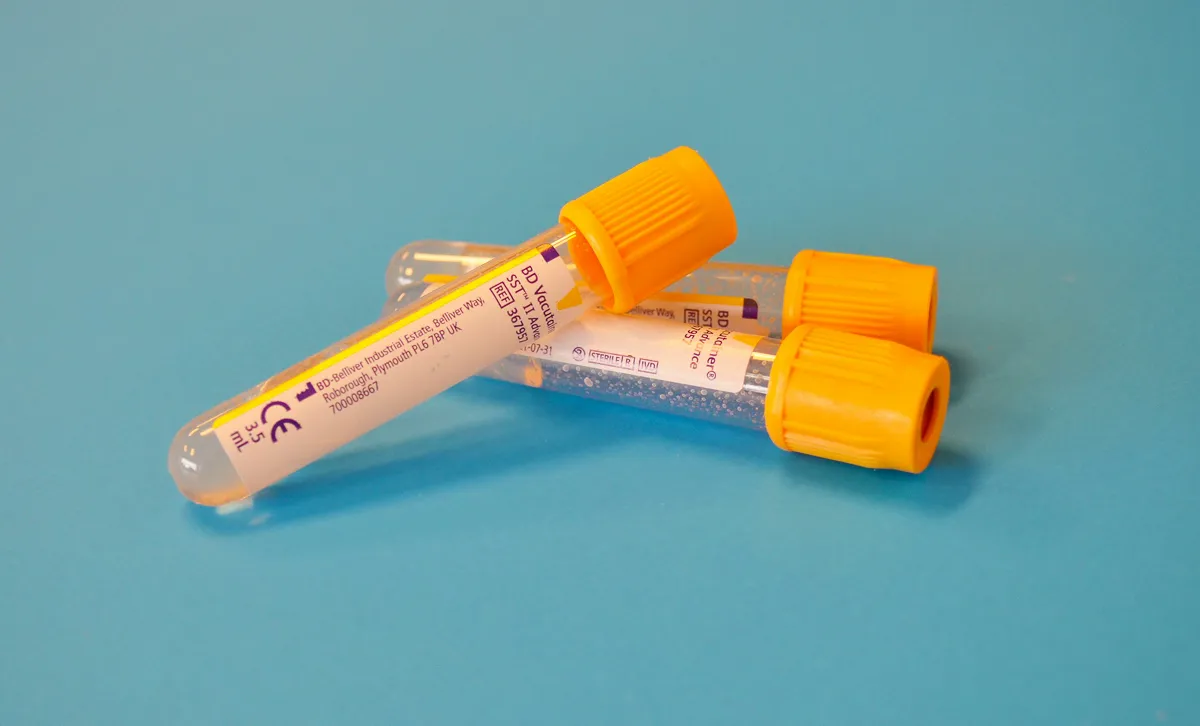
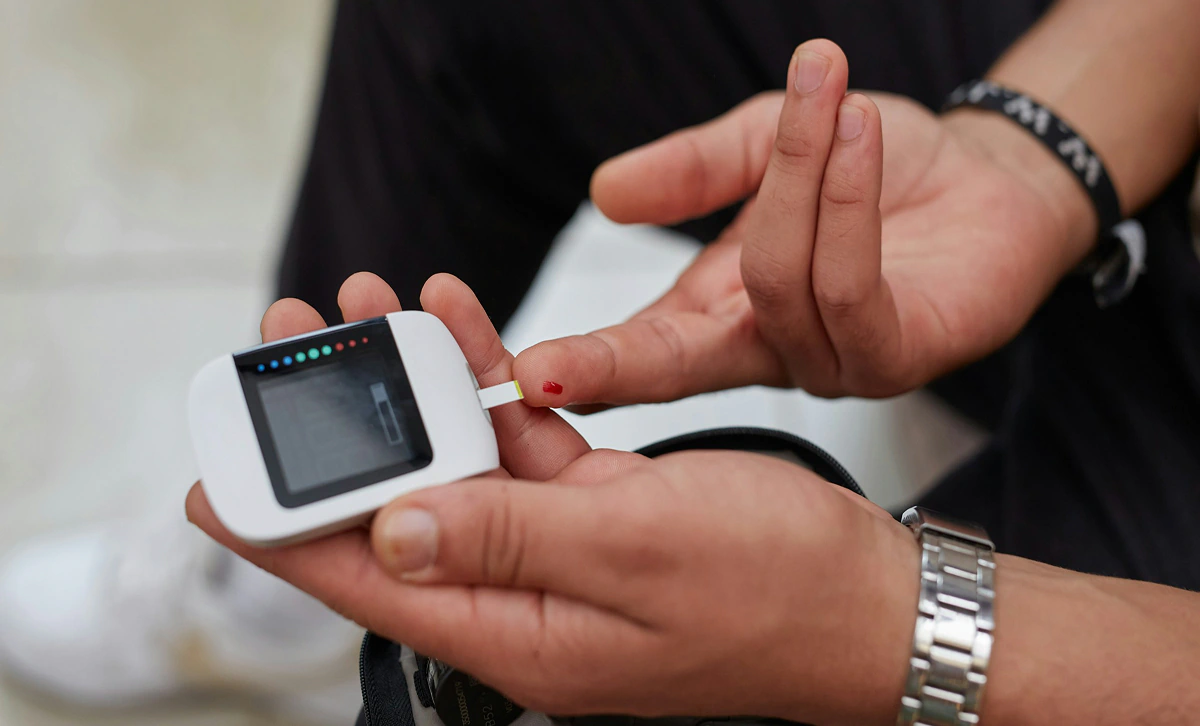
The test is simple. It's a single blood draw, fasted, alongside your fasting glucose.
Two numbers to look at:
- Fasting insulin. An optimal target is generally under 5 µIU/mL. "Average" reference ranges go much higher because they reflect a population that's already metabolically sick. It's not uncommon to have a normal HbA1c and fasting glucose but to have elevated insulin levels because your pancreas is working overtime to keep your levels in check. This is forecasting that your metabolic system is being overworked.
- Homeostatic Model Assessment of Insulin Resistance (HOMA-IR) sounds fancy, but it's calculated as (fasting insulin × fasting glucose) / 405. HOMA-IR adds nuance by indicating how well your insulin is controlling blood sugar levels.Under 1.0 is optimal, 1.0–1.9 is roughly normal, 2.0–2.9 is early resistance, and 3.0+ is significant. It's a single number that tells you where you sit, which is more useful for tracking trends over time.
A few practical notes about insulin assays (tests):
- They aren't as standardized between labs as A1c is, so absolute numbers can vary. Use the same lab each time to test.
- Fasting insulin is the earliest practical signal most people can get of an insulin resistance problem developing. It's not a formal diagnosis, but it's a flag — and a flag this far upstream is exactly what you want. It's the window of opportunity when lifestyle changes can still reverse the trajectory before it shows up in your A1c, your liver, your arteries, or a doctor's office.
Track the trend, not just one snapshot. And test on a representative day — not after a high-carb dinner, an intense workout, or during illness.
6 Ways to Improve Insulin Sensitivity
Here are the levers that move fasting insulin, ranked by what I've seen produce the most consistent results.
1. Cut the refined carbohydrates and ultra-processed foods. This is the single biggest dietary lever. Sugar-sweetened beverages, refined grains, packaged snacks.
2. Build muscle. Lift heavy. Skeletal muscle is your largest glucose sink. The more of it you have, and the more insulin-sensitive it is, the more glucose it pulls out of circulation without requiring a big insulin response. Two to four resistance sessions a week, progressively loaded.
3. Walk after meals. Even 10–15 minutes of walking after a meal meaningfully blunts the post-meal glucose and insulin spikes.
4. Sleep seven to eight hours and protect it. A single night of poor sleep measurably worsens insulin sensitivity the next day. Chronic poor sleep is one of the most underappreciated drivers of metabolic dysfunction.
5. Target visceral fat, specifically. Not weight in general — visceral fat. The fat around your organs is metabolically active and a primary driver of insulin resistance. Waist circumference and waist-to-height ratio track this better than BMI.
6. Retest in 8–12 weeks. What gets measured gets managed.
The Bottom Line
If you remember nothing else from this email, remember this:
A normal A1c does not fully guarantee that you are metabolically healthy. It could mean your pancreas hasn't given up yet.
Test your fasting insulin. Calculate your HOMA-IR.
Catch the problem in the window where you can still fix it.
Don't wait for a problem to happen to start taking action.
Start taking action so the problem doesn't have to happen.
Knowing Your Fasting Insulin
My son fell into the camp of healthy HbA1c (5.1%) and fasting glucose (94 mg/dL), by all accounts, metabolically healthy.
However, he tested his fasting insulin with Function and found out his levels were elevated. The bad news is he had some work to do, but the good news is he can take action to change his course moving forward.
Function Health is an all-in-one health platform that starts with 160+ lab tests, covering your heart, hormones, liver, kidneys, thyroid, immune system, cancer signals, toxins, and key nutrients.
That’s about 5× more testing than standard primary care labs—bloodwork that would normally cost thousands of dollars out of pocket.
Scheduling is simple, with 2,000+ lab locations across the U.S., and most visits take around 15 minutes.
If you are interested in knowing your fasting insulin levels, see if Function is a good fit for you.
Click here to sign up for Function Health for less than $1/day
Only the best,
Jeremy London, MD
P.S. Don't forget to follow my podcast for free on Spotify or Apple Podcasts



.jpg)





.jpg)
.jpg)