Almost 50% of adults in the US have high blood pressure.
This alarming statistic suggests that there is a good chance you, a family member, or a friend is contributing to this number.
Elevated blood pressure is referred to as the "Silent Killer".
Why? More often than not, you won't experience symptoms from high blood pressure until it's too late.
In today's newsletter, we'll delve into what blood pressure is, why it's so dangerous, and what you can do about it.
What is Blood Pressure?
We are naturally trained to have an adverse reaction when we hear the term "blood pressure," but what is it?
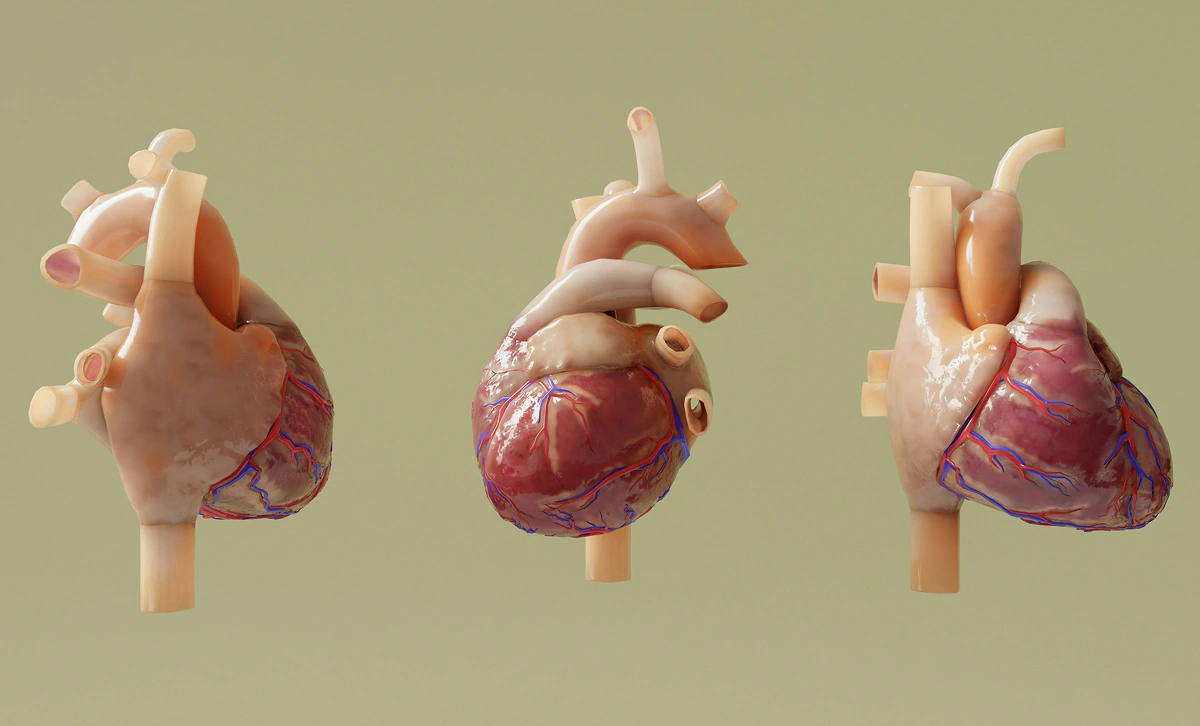
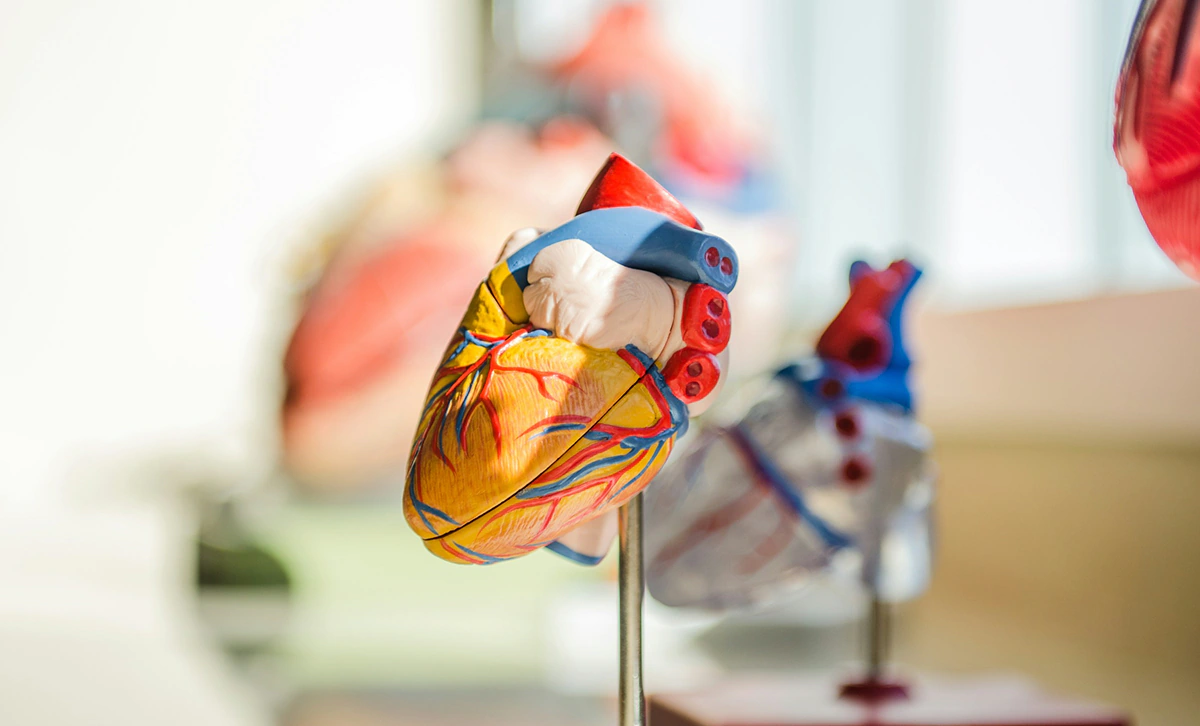
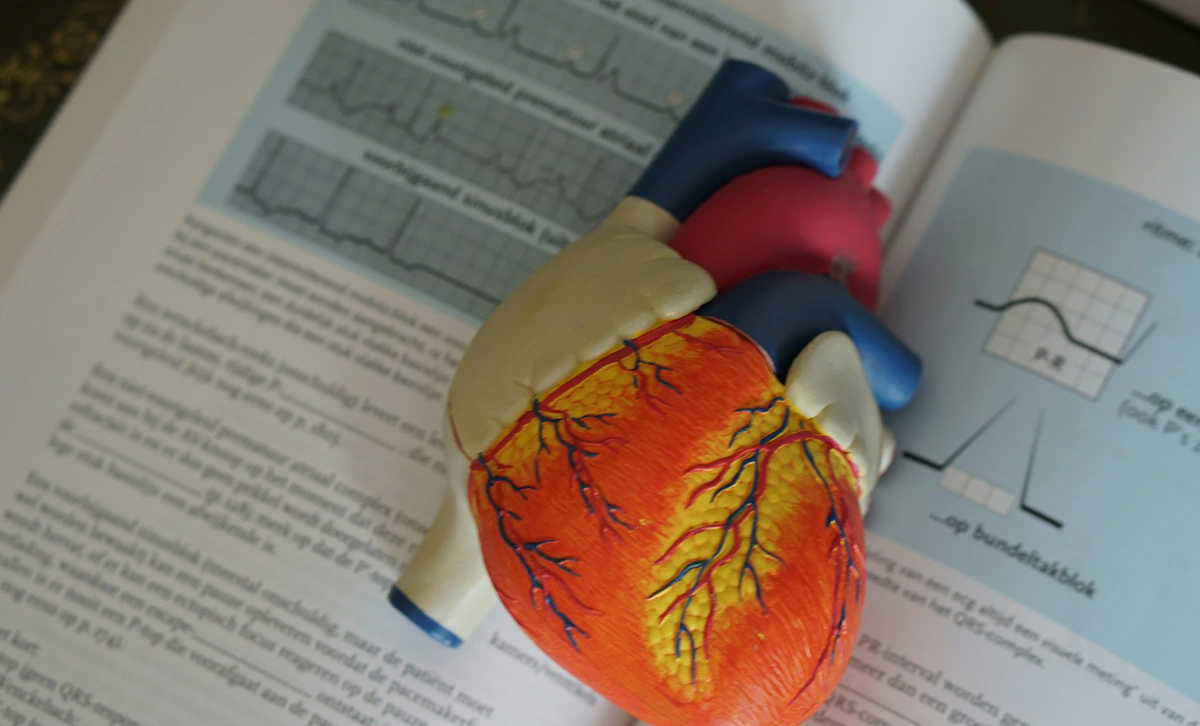
Our cardiovascular system is an amazing closed-loop circuit that is powered by a pump - our heart.
Blood pressure is the force of our blood as it's pumped throughout our body.
Blood pressure can be measured with two numbers:
- Systolic Pressure (top number): the pressure when your heart beats and pumps blood.
- Diastolic Pressure (bottom number): the pressure when your heart relaxes.
Blood pressure is essential to deliver nutrients and oxygen to tissues.
However, when the force of blood pumped is elevated (hypertension), it can damage almost every organ.
The higher the pressure, the more dangerous it becomes.
How to Accurately Measure Your Blood Pressure
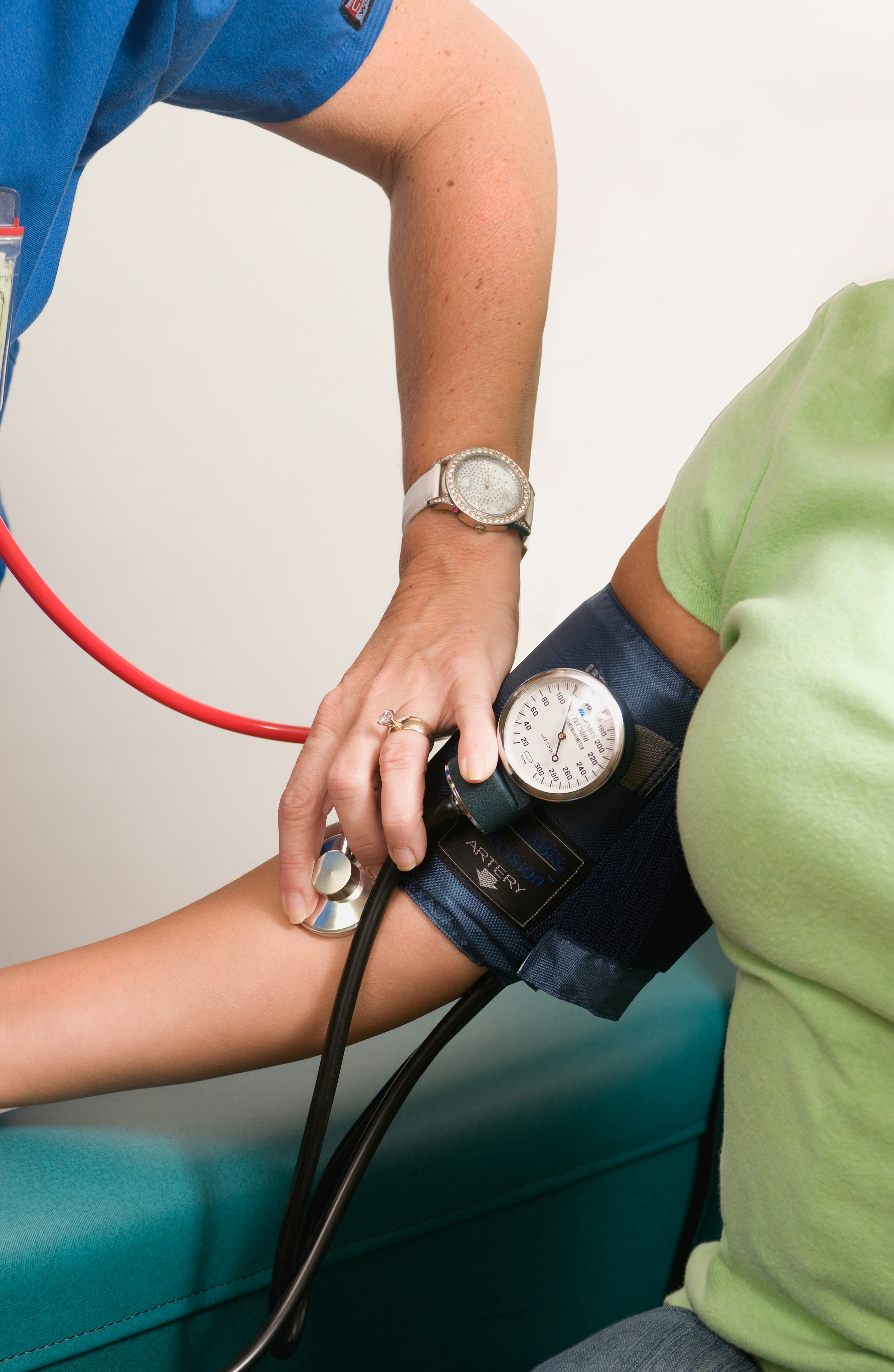
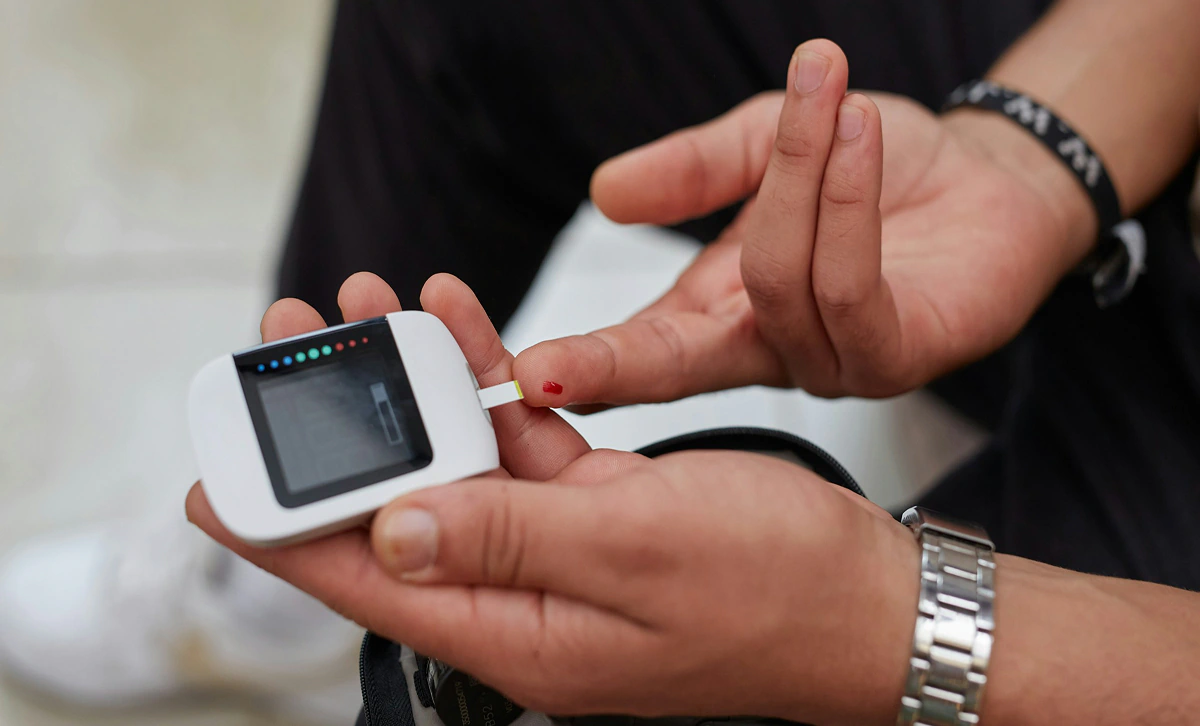
The truth is that measuring your blood pressure once a year during your annual physical doesn't provide the full picture.
Many people experience "White Coat Syndrome", where their blood pressure is elevated in a clinic setting but not necessarily at home.
Here is a simple and significantly more accurate protocol:
- Go to Amazon and pick out a blood pressure monitor priced under $50. (Avoid wrist cuffs)
- Plan to take your blood pressure over 2 weeks, once in the morning and once in the evening.
- Avoid exercise, caffeine, and a full bladder for at least 30 minutes before taking a reading.
- Get comfortable. Sit down for 5-10 minutes to allow your body to relax.
- Make sure your chair has a back support, your feet are flat on the ground, not crossed, your arm is supported on a table at heart level, with your palm facing up.
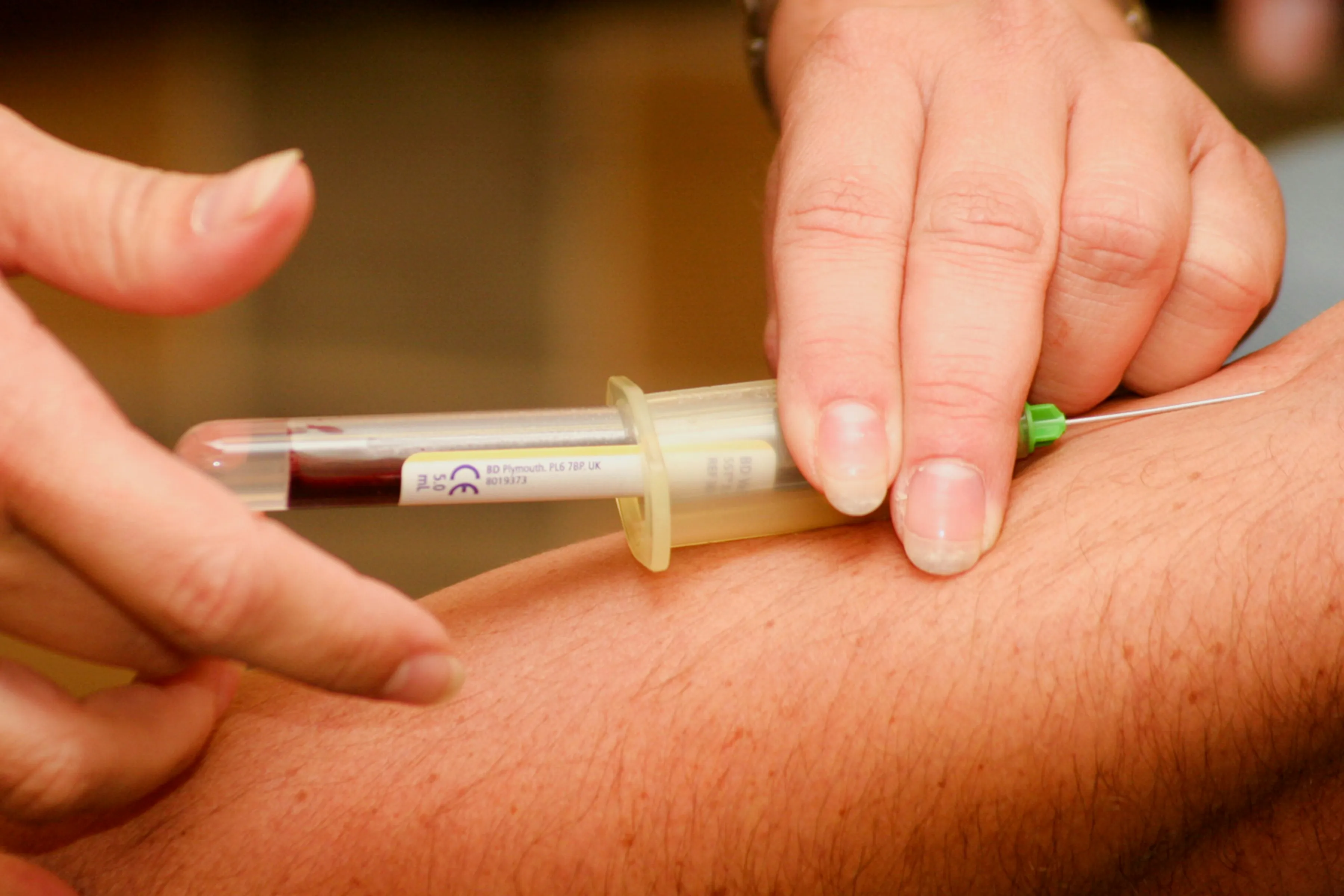
- When you are ready to take a blood pressure reading, wrap the cuff snugly around your bare arm about 1-2 inches above the elbow. Start the monitor.
- Repeat a few minutes later for accuracy.
Following this protocol twice a day (morning and evening) for 14 days and then finding your average during that time period will offer a much more comprehensive result.
The chart above shows the levels of hypertension.
Now, if you have a high reading, don't panic. Several variables can cause your blood pressure to spike.
Numerous readings will paint the picture of a trend.
The Dangers of High Blood Pressure
High blood pressure is more than a number - it's a full-body threat.
Uncontrolled hypertension is dangerous to almost all organs in the body.
Keep in mind that it's not just one day of high blood pressure that's dangerous, but the cumulative effect over a prolonged period.
The Dangers of High Blood Pressure:
- High blood pressure, over time, can damage the inner lining of the blood vessels, and consequently, the repair process can lead to atherosclerosis (blockages in the arteries). If this occurs in the heart, it can cause a heart attack.
- Your heart is a muscle, and like other muscles in your body, it grows with time under tension. Why is this important? The heart can become thicker due to increased workload from hypertension, which reduces the size of the pumping chambers and makes it less efficient, potentially leading to heart failure.
- High blood pressure can damage more than just the heart. It can also harm the blood vessels in the brain, potentially causing cognitive issues like Alzheimer's and dementia. Furthermore, the kidneys may be impacted, which can lead to kidney failure and worsen blood pressure.
Ways to Manage & Regulate Hypertension
High blood pressure is undeniably dangerous.
This landmark study, published in 2015, found that the lower target (less than 120 mmHg) reduced cardiovascular events by 25% and decreased the overall risk of death by 27%.
That's powerful.
The silver lining is that lifestyle modifications can make a meaningful impact.
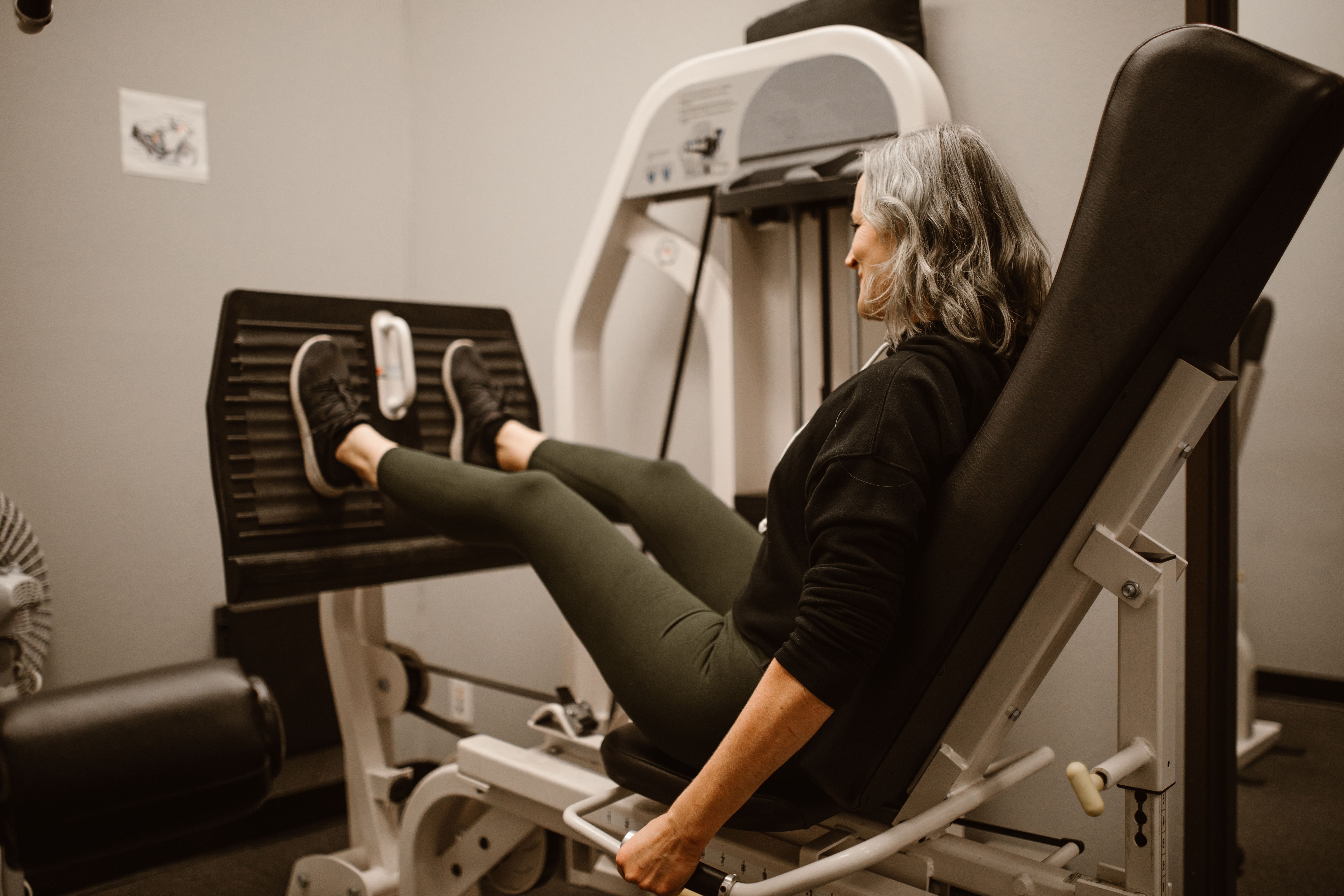
For most people, engaging in exercise and losing weight can significantly improve blood pressure.
Destressing and prioritizing sleep are examples of mental components. High stress from work, finances, and relationships adds to the variables that increase blood pressure. Having an outlet to relieve stress, such as meditation, journaling, or therapy, can make a significant impact.
Some individuals, after exhausting weight loss and high-level exercise, may require medication to manage blood pressure.
Want a deeper dive on High Blood Pressure? Check out my most recent podcast about it HERE.
What Makes Rho Different
Rho Nutrition because they bring something different to your fridge.
Rho offers third-party-tested liposomal delivery products. Why does this matter? Most pills and powders lose a significant amount of the active ingredient during digestion.
Rho encapsulates each nutrient (creatine, glutathione, NAD+, curcumin, collagen, etc.) within a tiny liposome that survives the gut and ferries the compound intact into the bloodstream.
Liposomal delivery helps ensure that the vitamins and supplements you purchase are getting absorbed and not lost during digestion.
My personal morning Rho stack is their liposomal creatine, glutathione, DIM+, and NAD+, and before bed, I take their liposomal magnesium.
The founders, Ryan and George, firmly believe you will feel the Rho difference, but if you're not satisfied, they offer a 60-day money-back guarantee.
Click here to save 20% and add Rho to your daily routine
Only the best,
Jeremy London, MD
P.S. Don't forget to follow my podcast for free on Spotify or Apple Podcasts


.jpg)




.jpg)
.jpg)