Since heart disease is the number one killer worldwide for both men and women, it's advantageous for us to understand the key risk factors at play:
- Smoking
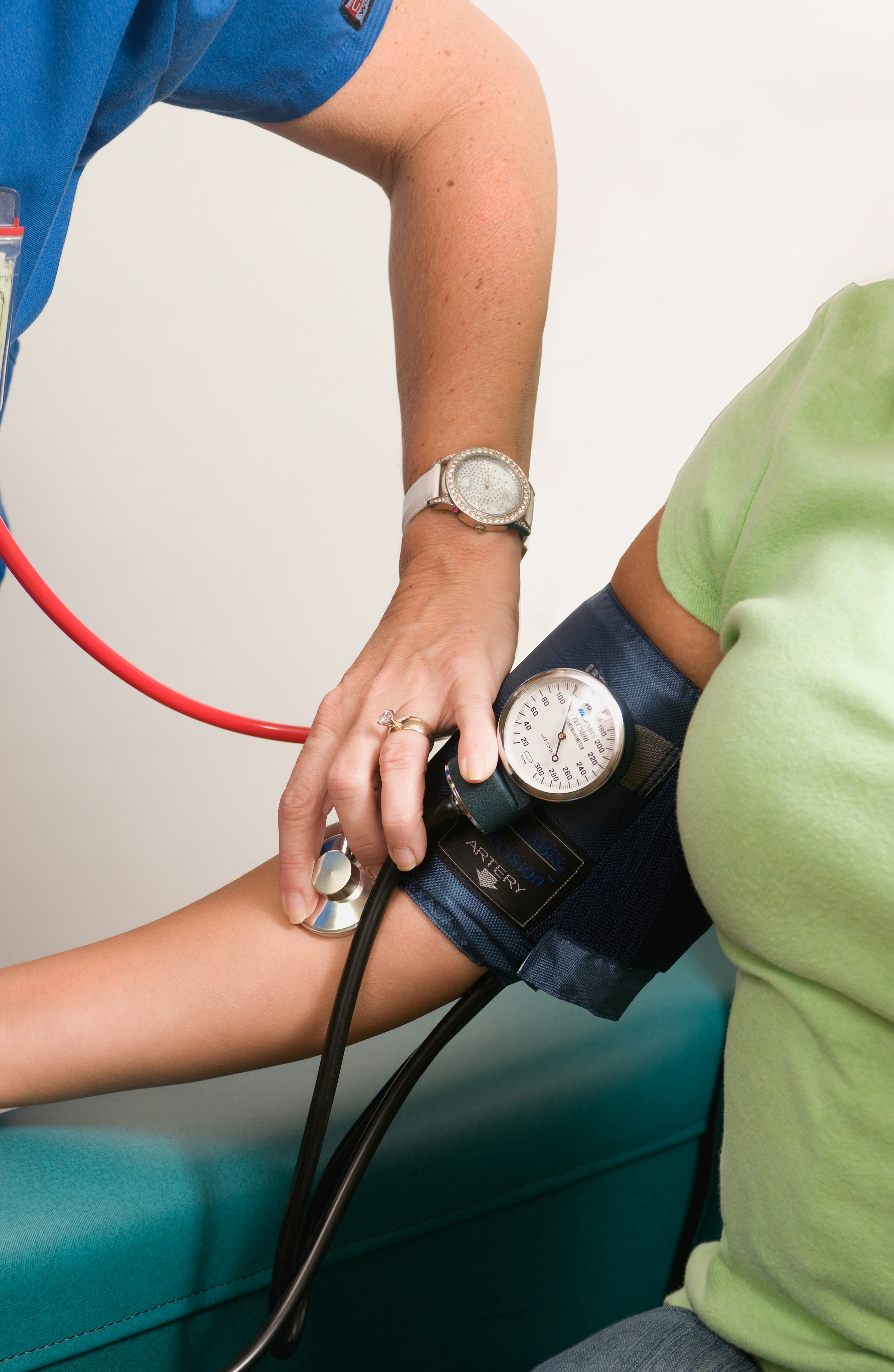
- High Blood Pressure (Hypertension)
- High ApoB, LDL-C, & LDL-P (Elevated Cholesterol)
- Insulin Resistance
I want to focus on elevated cholesterol in this newsletter and, more specifically, how you can lower atherogenic cholesterol particles through two major dietary levers.
We will be digging into the mechanisms of why certain dietary changes affect lipid levels, so stick with me.
If you want to learn the basics about cholesterol, ApoB, and LDL-C, click here.
Is Dietary Cholesterol the Boogie Man?
It makes intuitive sense that if you want to lower your cholesterol (ApoB, LDL-C, and LDL-P), you should eliminate all dietary cholesterol.
Interestingly, you'll likely find that your cholesterol numbers shift only modestly, if at all, when you limit dietary cholesterol. Why is this?
Well, the truth is, our bodies absorb only 40-60% of dietary cholesterol. In addition, the liver is also great at balancing levels. High dietary cholesterol intake, lower cholesterol production in the liver, and vice versa.
Meta-analyses show that each additional 100 mg/day of dietary cholesterol increases LDL-C by only 1.90-4.58 mg/dL, depending on the model used.
*It's worth noting that there are hyper responders who absorb dietary cholesterol at a greater rate. If you are interested in learning more about dietary cholesterol, check out this newsletter edition.
When it comes to dietary changes, cholesterol may have less of an impact, but let's shift our focus to the two levers that do.
The Two Biggest Levers for Diet to Lower ApoB
- Saturated Fatty Acids (SFAs)Saturated fatty acids increase ApoB and LDL-C levels because they reduce the liver's ability to clear LDL particles from the bloodstream.
Your liver is the master control system behind cholesterol production and clearance. When you consume excess levels of SFAs, your liver senses an influx of fatty acids. The liver, thinking it's protecting itself, doesn't want any more fatty acids entering.
To combat this, your liver reduces the number of LDL receptors (LDL-R) to stop LDL particles from entering the liver.If there are fewer LDL receptors to pull LDL particles out of the bloodstream into the liver, you will have higher circulating LDL levels.
Therefore, if you reduce SFA intake, the liver will maintain adequate LDL-R levels, thereby lowering LDL-C and ApoB in circulation.
- Triglycerides Levels
Triglycerides (TGs) drive the number of atherogenic ApoB-containing particles. Why?
To transport TGs throughout the body, the liver packages them into a VLDL (very low-density lipoprotein) particle. Each VLDL has an ApoB particle attached.When VLDL drops off its triglyceride cargo in your tissue, it's metabolized into an IDL (intermediate density lipoprotein) particle.
The IDL has two fates: clearance by the liver or further metabolism into LDL.
Therefore, more TGs = More VLDL → More LDL-C & ApoB
This is why insulin resistance is typically associated with heart disease. Poorly controlled glucose levels lead to elevated triglycerides, which in turn increase the formation of atherogenic particles.
The primary dietary culprits behind higher triglyceride levels are refined carbs, sugars, excess caloric intake, and alcohol. Reducing these will help drive down triglycerides.
The Bottom Line
We frequently hear, "Dietary changes don't alter cholesterol levels."
However, if you are consuming excess saturated fats and/or have high triglyceride levels, dietary and lifestyle changes can move the needle.
If you are in the boat that consumes minimal SFAs and has low triglyceride levels (<80-100), then it's likely that your genetics are at play.
Genetics is king when it comes to your body's ability to manage lipid levels.
Once dietary and lifestyle changes are implemented, and you are still not at optimal ApoB or LDL-C levels, then a conversation with your medical professional is appropriate.
Stay Hydrated. Replace What You Lose.
Hydration isn’t just about drinking more water — it’s about replacing what you lose.
When you sweat (from workouts, sauna sessions, or just daily life activities), you’re not just losing water — you’re losing electrolytes like sodium, potassium, and magnesium.
That's why I drink LMNT as my electrolyte replacement.
LMNT uses a science-backed electrolyte ratio of sodium, potassium, and magnesium.
Electrolytes are used by every cell in your body. Even minimal dehydration can limit cognitive and physical performance.
LMNT tastes great and helps me replenish my electrolytes after a hard workout or a sauna session. I mix one LMNT packet (usually Grapefruit Salt, my favorite flavor) into a 32-oz water bottle to stay hydrated throughout the day.
If you are active, sweat often, and want to try LMNT for yourself, click here to receive a FREE sample pack of all 8 flavors with any purchase, plus a No-Questions-Asked Refund Policy.
Only the best,
Jeremy London, MD
P.S. Don't forget to follow my podcast for free on Spotify or Apple Podcasts