


For decades, diagnosing Alzheimer's disease has been difficult, especially at early stages.
Alzheimer's can begin developing 10+ years before signs and symptoms begin to appear. By the time memory loss is noticed, significant damage could have already occurred.
Traditionally, diagnosing Alzheimer’s has required:
- PET brain scans to detect amyloid plaques
- Lumbar puncture to analyze cerebrospinal fluid
- Clinical diagnosis after cognitive decline has already begun
Now, with new research, scientists believe this single blood marker may detect Alzheimer’s pathology years before symptoms appear.
One of the most promising biomarkers is p-tau217.
In today's newsletter, we will uncover what p-tau217 is, how it works, how early detection can be a game-changer, and the potential limitations.
What is the P-tau217 Blood Test?
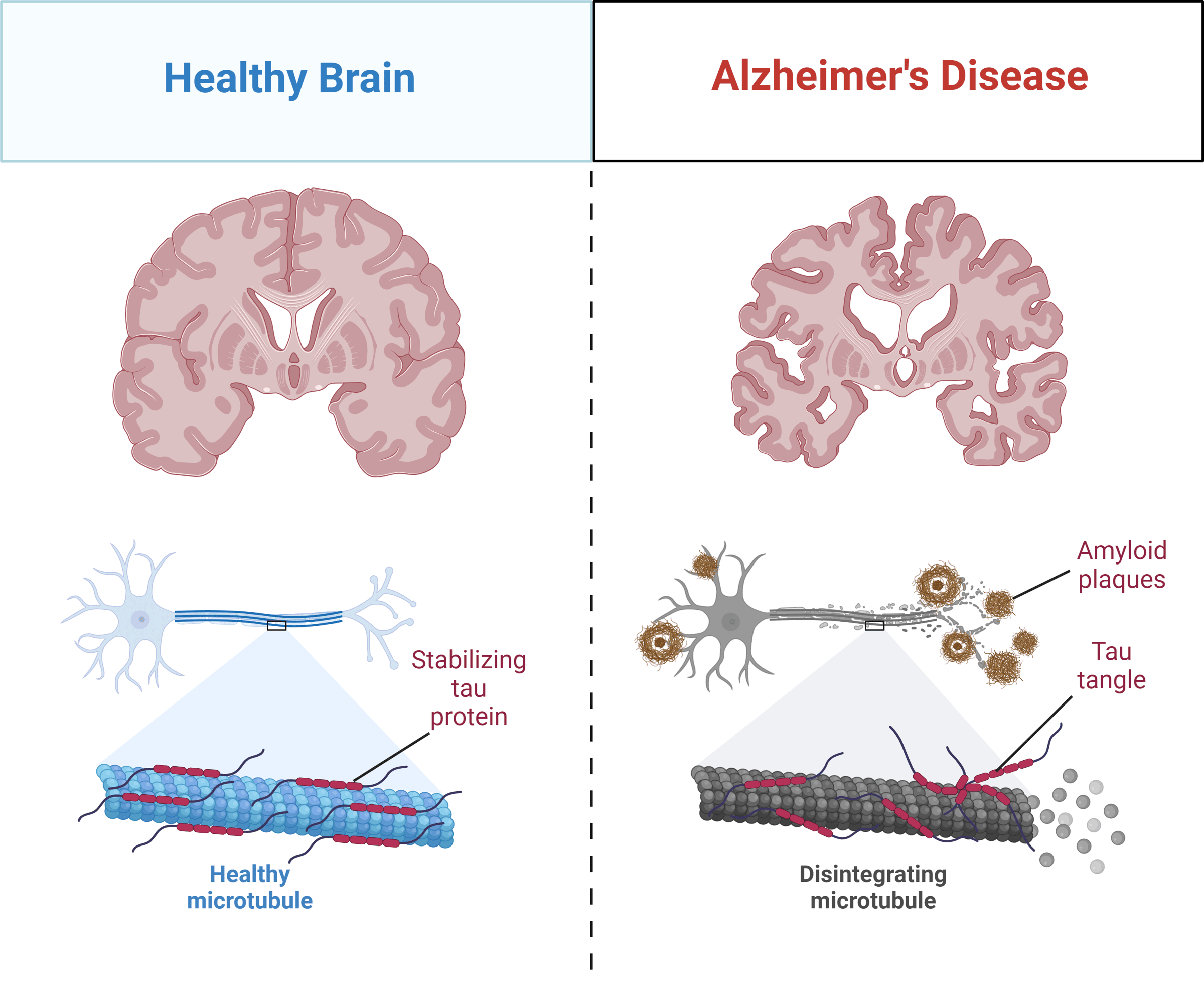
p-tau217 stands for phosphorylated tau at threonine 217.
That sounds intimidating, but the concept is fairly simple.
In healthy neurons, tau proteins help stabilize the internal “tracks” (microtubules) that transport nutrients and signals along the neuron.
In Alzheimer’s disease, tau becomes abnormally modified, causing tau proteins to clump together and form tangles. These tangles can disrupt and block transport within neurons, eventually leading to dysfunction or cell death.
One of these abnormal tau proteins is p-tau217.
When Alzheimer’s begins in the brain, levels of p-tau217 begin to rise. Small amounts of this protein leak into the bloodstream, where it can now be measured with highly sensitive lab tests.
In other words:
A simple blood test can detect the molecular fingerprint of Alzheimer’s disease pathology.
Why This Marker Matters
To understand why p-tau217 is so powerful, we need to briefly talk about the two hallmark features of Alzheimer’s disease:
- Amyloid plaques
- Tau tangles
For many years, researchers believed amyloid plaques were the central driver of Alzheimer’s.
But newer research suggests something more nuanced:
Amyloid may trigger the disease, but tau pathology is what correlates most closely with cognitive decline.
This is where p-tau217 becomes extremely valuable. P-tau217 appears to rise after amyloid changes begin but before significant cognitive decline, making it a valuable early indicator.
Multiple large studies have shown that:
- Blood p-tau217 strongly correlates with amyloid brain PET scans
- It predicts the future development of Alzheimer’s disease
- It distinguishes Alzheimer’s from other forms of dementia
That level of accuracy is remarkable for a simple blood test.
Limitations of This Screening Test
Testing for p-tau217 is certainly a significant step in the early detection of Alzheimer's, but it has limitations.
- The test detects pathology - not dementia. A high p-tau217 level suggests that Alzheimer’s-related biology may be occurring in the brain, but it does not mean someone has dementia.
- Not a silver bullet. This is a screening test, not a final diagnostic test. It should be one piece of the puzzle for the diagnosis of Alzheimer's.
- Thresholds for a "positive" test are not standardized. This means interpretations could be variable. With more widespread testing, there will likely be more data to create standards.
But like any medical test, it must be interpreted carefully, in context alongside clinical judgment.
Used appropriately, it could become an important tool for earlier diagnosis, better research, and more targeted treatment strategies.
How Early Detection Could Change Your Brain Health
Similar to cancer, heart disease, and diabetes, the earlier you can detect a disease, the more it may ultimately improve prognosis.
Instead of relying on symptoms to appear after cognitive decline, p-tau217 is one of the first widely available blood-based biomarkers that can accurately assess the risk of Alzheimer's and where it is in the disease process.
Early detection enables proactive treatment before late-stage disease is present.
While this test is still being integrated into clinical practice, it represents an important step toward earlier detection, better treatments, and potentially slowing the progression of Alzheimer’s disease.
The future of medicine increasingly relies on identifying diseases before symptoms begin.
And p-tau217 is one example of that shift.
Get Your P-tau217 Levels Checked
If early detection of Alzheimer's is a priority for you, then it's worth considering testing p-tau217 levels.
Check with your healthcare provider to see if they will order it. Function also offers Alzheimer's risk detection as an add-on to their annual panel.
Function Health is an all-in-one health platform that starts with 160+ lab tests, covering your heart, hormones, liver, kidneys, thyroid, immune system, cancer signals, toxins, and key nutrients.
That’s about 5× more testing than standard primary care labs—bloodwork that would normally cost thousands of dollars out of pocket.
Scheduling is simple, with 2,000+ lab locations across the U.S., and most visits take around 15 minutes.
This is the exact blood test my family and I get every six months.
Click here to sign up for Function Health for less than $1/day
Only the best,
Jeremy London, MD
P.S. Don't forget to follow my podcast for free on Spotify or Apple Podcasts
Related Articles


























































Subscribe for Free to Keep Reading
This content is free, but you must be subscribed to keep reading.