


The #1 Killer Worldwide
- The #1 Killer Worldwide
- Foundamentals of Heart Disease
- Preventive Screening Tests
- Lifestyle Prevention
Disclaimer: Not Medical Advice. Opinions are my own.
20,000,000 Lives Per Year
Heart disease is the number one killer worldwide. Full stop.
This jaw-dropping statistic puts heart disease in a different light.
It reminds me of the famous Charlie Munger quote, "The only thing I want to know is where I'm going to die so I never go there".
Generally speaking, knowing we statistically have the highest chance of dying of heart disease, the first thought that should come to mind is how do I avoid it?
First, let's answer the question: "What is heart disease?"
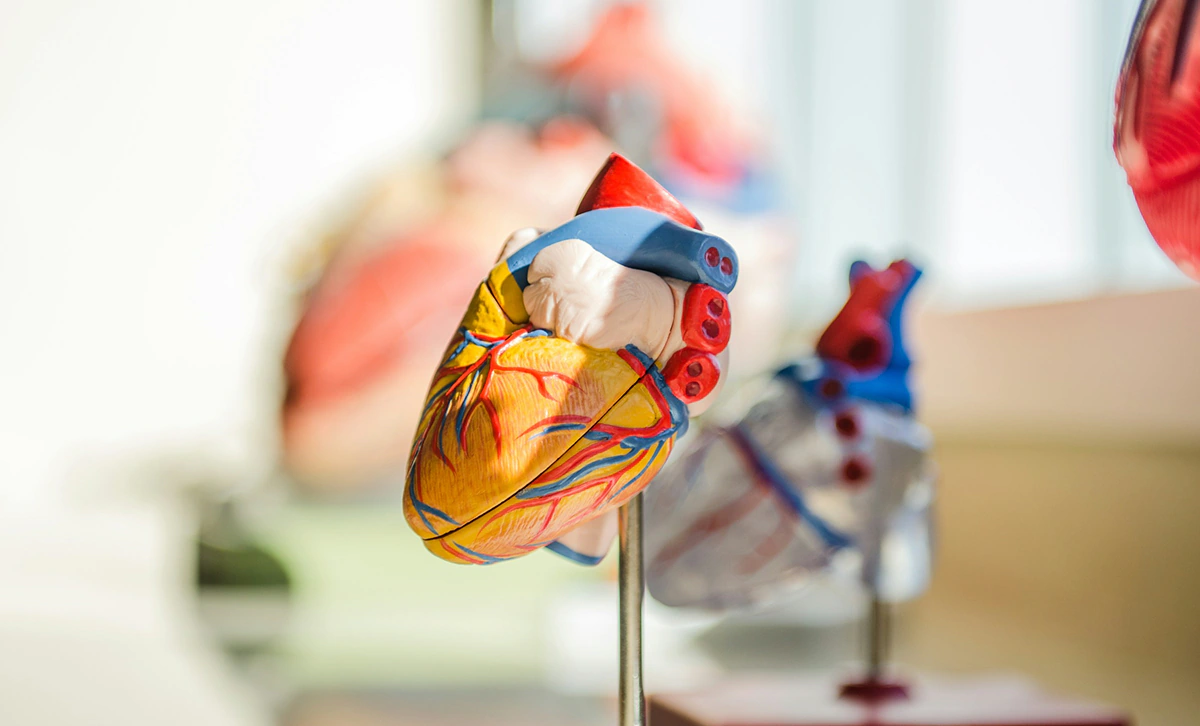
What is Heart Disease?
Heart disease can be broken into two buckets:
- Blood Vessel Disease
- Structural Disease & Electrical Abnormalities
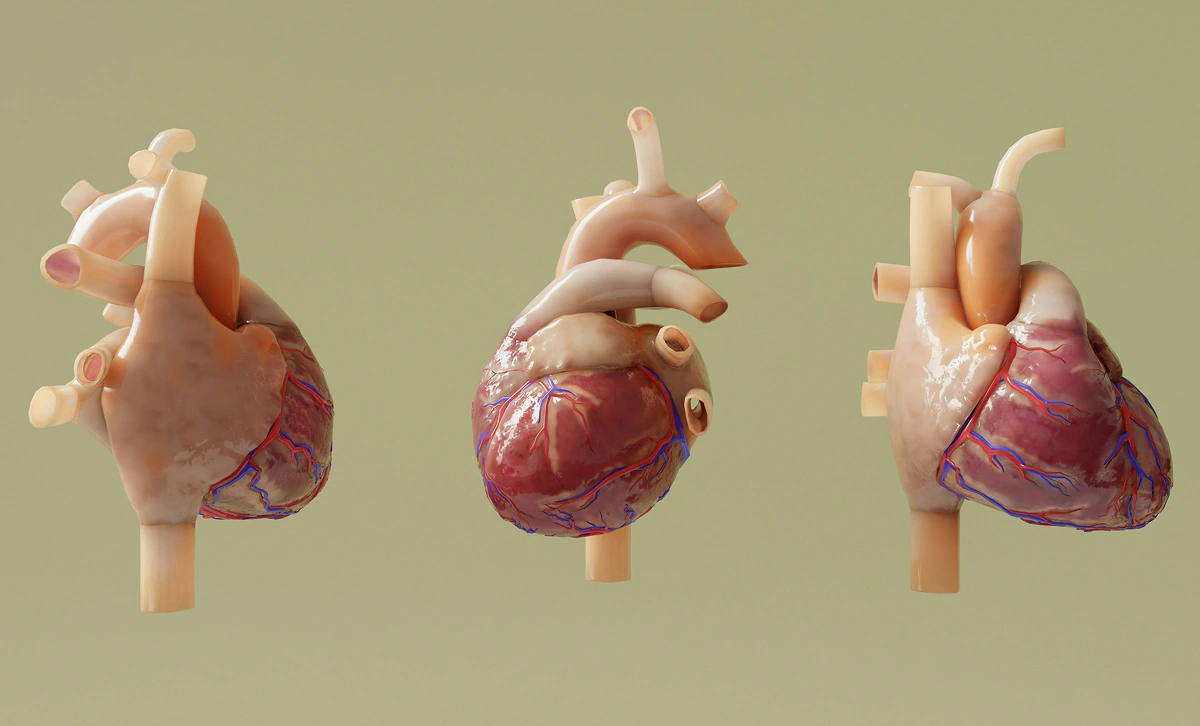
The main culprit of heart disease deaths is blood vessel disease, also known as Coronary Artery Disease (CAD).
This occurs when plaque is built up, narrowing or blocking blood flow to the heart (atherosclerosis).
The second bucket is structural disease and electrical abnormalities. This includes a combination of congenital diseases or defects, arrhythmias, and valvular diseases.
The good news about the second bucket is that, thanks to modern technology, some procedures can control irregular heartbeats and fix valvular and structural defects.
Although we can reestablish blood flow with stents and bypass surgery, we have yet to find an effective solution to reverse plaque buildup. The goal is to slow or stabilize plaque production.
Preventive Screening Tests Everyone Should Know
Heart Disease doesn't happen overnight. It can take decades before symptoms start to show.
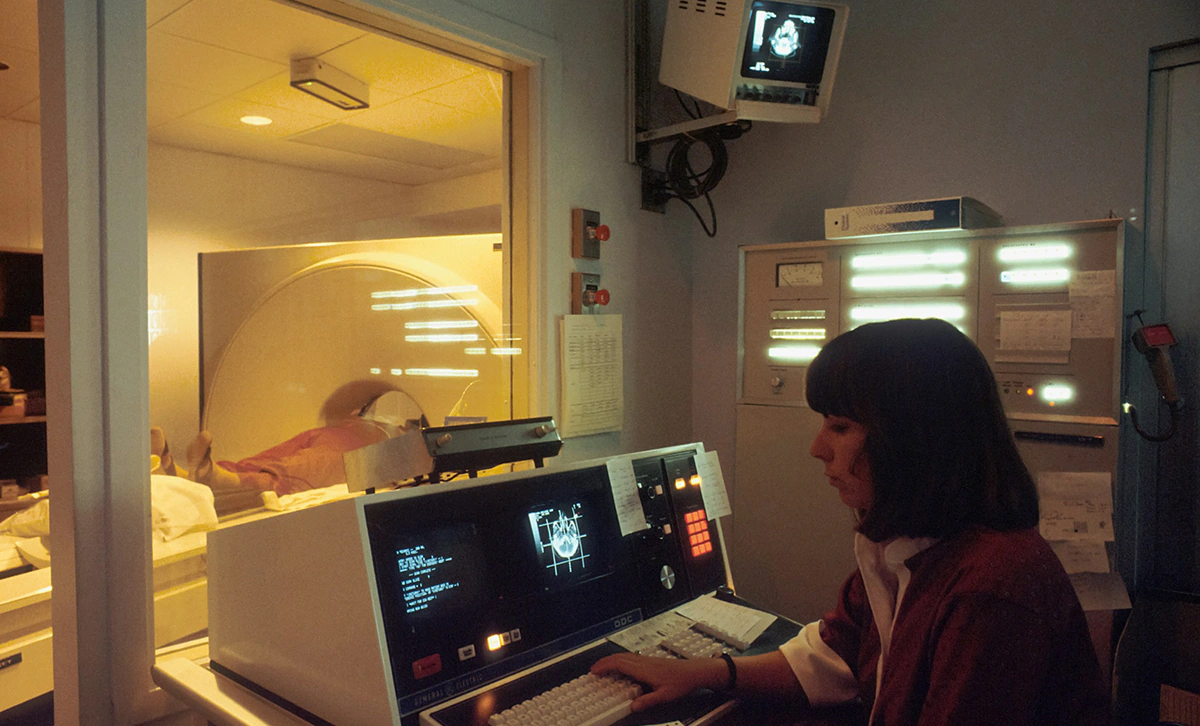
Several diagnostic tests are available that can help with early detection of blockages.
Non-invasive examples:
- Coronary Artery Calcium (CAC) Scoring - this will measure the amount of calcium buildup in the coronary arteries. A CAC scan can help detect early stages of heart disease.
- Echocardiogram - similar to an ultrasound during pregnancy, it can assess heart and valve function.
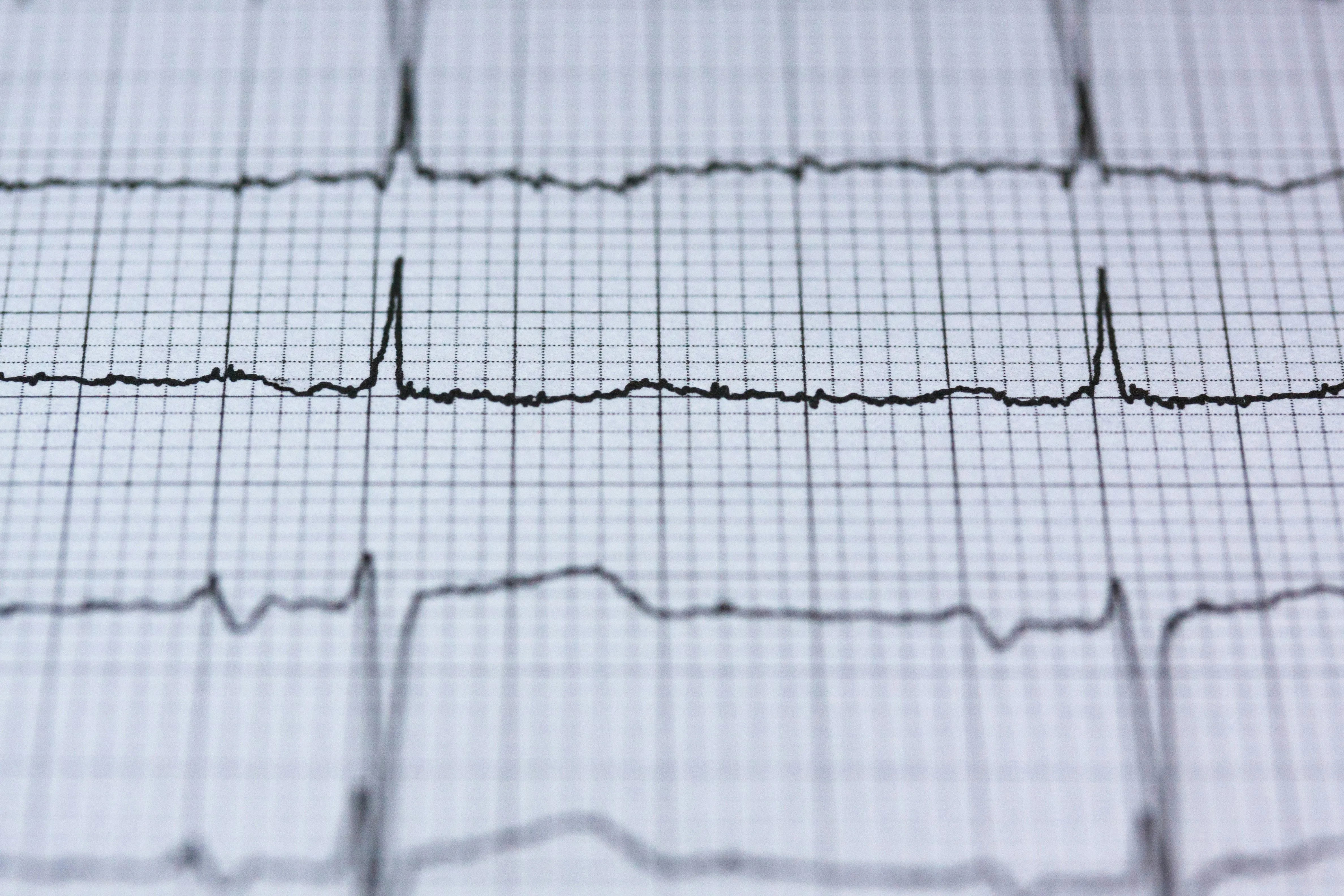
- Cardiac Stress Test - You are placed on a treadmill with EKG pads and are monitored to see if you experience symptoms with increased exertion or if there are changes in the EKG.
Remember these are all screening tests, so each test will have limited accuracy but offers a great starting point.
The gold standard for detecting coronary artery blockages and vessel disease is a Coronary Angiography or Cardiac Catheterization.
Why? It provides a real-time and high-resolution view of the coronary arteries using contrast dye and X-ray. This can accurately locate and determine the severity of arterial blockage.
Envision a 'cardiac' road map that detects where the roads are blocked.
A Cardiac Catheterization is an invasive test that offers the ability for immediate intervention to restore blood flow via a stent.
High-Quality Supplements Matter
In Partnership with Momentous
Supplements should never be seen as substitutes to a healthy lifestyle.
They should be supplemental to a consistent fitness routine, eating whole foods predominantly a whole foods diet, and having good sleep hygiene.
However, not all supplements are created equally.
Quality of ingredients, manufacturing, sourcing, and certifications matter.
That's why for years my family and I have trusted Momentous supplements.
All of their products are NSF and Informed Sport certified, which is the gold-standard for third-party testing.
I personally take their creatine and omega-3 daily. I love the chocolate Momentous plant protein powder in my morning smoothies.
If you are interested in trying Momentous supplements, I curated a collection of my essential supplements with them, which you can check out!
Lifestyle Prevention
By this point, you should have a better understanding of heart disease, early screening and detection methods, and the gold standard for locating blockages.
Now - what can you do today to increase the probability of kicking heart disease down the road or avoiding it entirely?
- Stop smoking. Smoking alone can increase your chances of heart disease up to 200%. The day you quit smoking could save your life.
- Avoid overnurishment. Over 40% of adult Americans are obese. Excess body fat requires more blood flow, increasing the workload on your heart - resulting in high blood pressure. In addition, excess visceral fat is a known driver for inflammation associated with cardiovascular disease.
- Avoid insulin resistance. Chronically high blood sugar damages blood vessels. 70% of people with type 2 diabetes also develop heart disease.
- Avoid chronic sleep deprivation. I struggle with this daily. Poor sleep can lead to elevated cortisol, increasing blood pressure and inflammation.
If you are struggling with the above, let me offer two simple tools to add to your health toolkit: A food journal and daily walks.
A food journal, especially an honest one, will help you objectively assess what you are putting in your mouth. Start by writing down everything you eat for a week, then review. Make meaningful changes to eliminate processed and ultraprocessed foods and focus on clean whole foods.
Many underestimate the power of a simple walk. Not only will you receive all the positive benefits of getting outside, but you will also be moving your body. A 10-15-minute walk is an easy tool for regulating your blood sugar.
Every single person reading this, me included, knows better.
The question is, are you willing to do better?
Your future self depends on you doing better.
I'm rooting for you.
Only the best,
Jeremy London, MD
Join the newsletter for weekly, evidence-based guidance you can actually apply.
Share this Article:
Related Articles






Subscribe for Free to Keep Reading
This content is free, but you must be subscribed to keep reading.